Arnaldo Tazzetti Alpine Museum
Overview
Arnaldo Tazzetti Alpine Civic Museum is situated in Usseglio, last village in the Viù Valley, at 1,260 metres above sea level.
It fosters the study, safeguarding and valorisation of the environment and mountain culture.
The Museum is housed in the Ancient Romanesque Parish Compound of Usseglio.
The Museum is composed of a number of sections, organised into two thematic areas.
Collections
Natural sciences
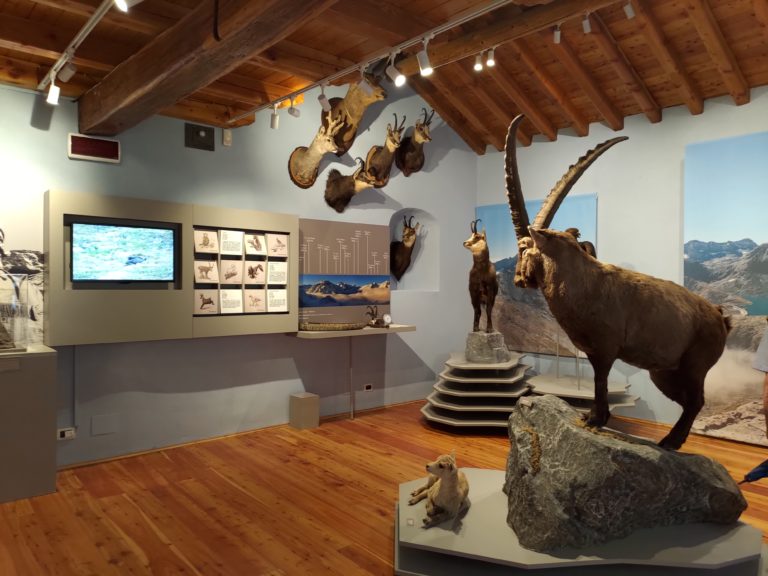
- Zoology section
A number of taxidermic preparations of mammals and birds living in the Alps are on display.
The visit trail: three halls focusing on the natural habitats of the peaks, the forest and the valley floor.
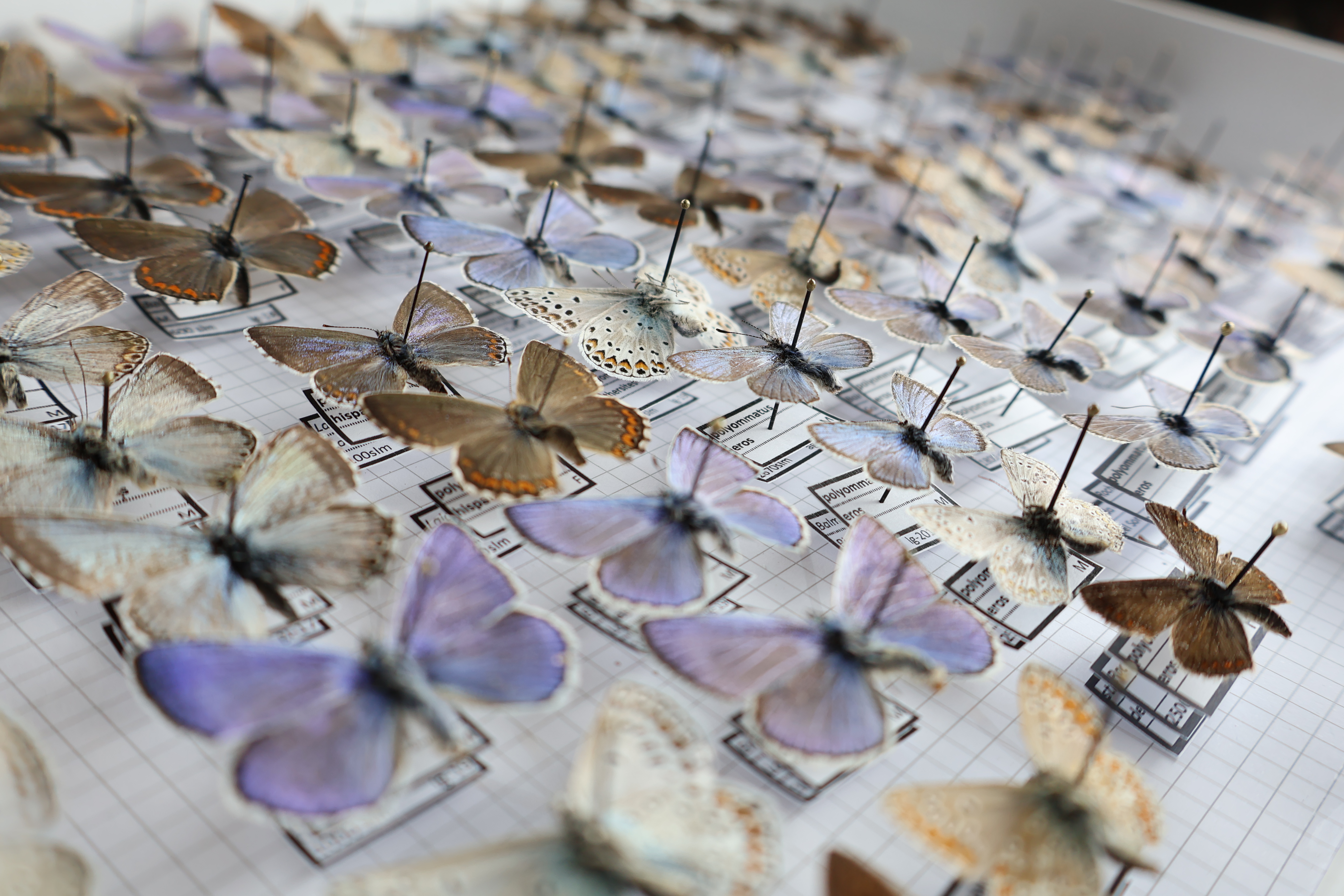
A collection of butterflies, including most of the Alpine species, is on display. - Mineralogy section
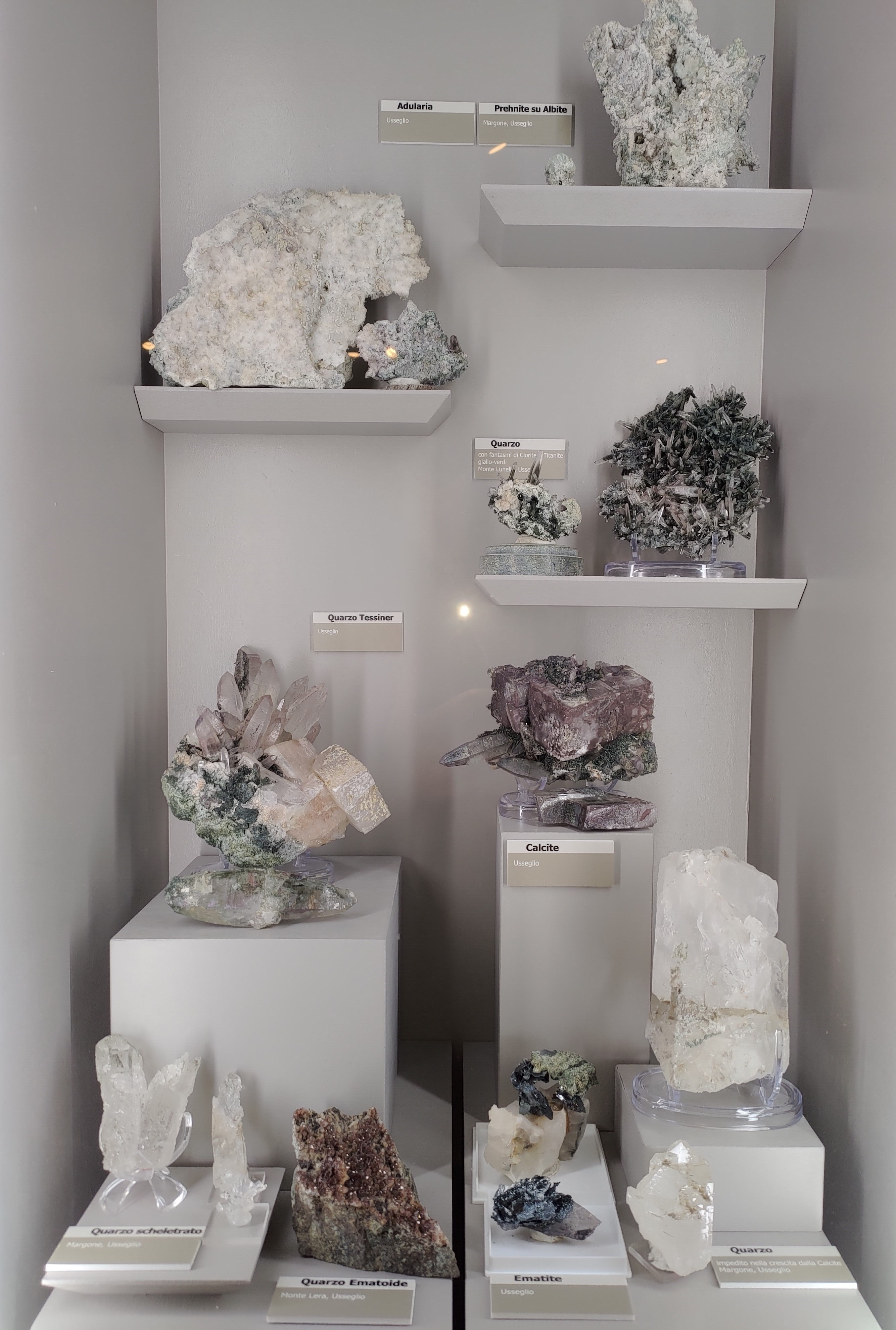
On a broad selection of samples, the mineral richness of the Lanzo Valleys is fully depicted.
Great attention is paid to:- the ancient iron and cobalt mines, which provided a source of income for the local population;
- the beauty of garnet and epidote crystals;
- the uniqueness of some mineralogical species found in the Valley area.
- Botany section
The herbarium and mushroom collection provide documentation of the abundant plant and mycological diversity of the Lanzo Valleys.
As these are research collections, they are not on display, but can be watched on request.
Arts and history
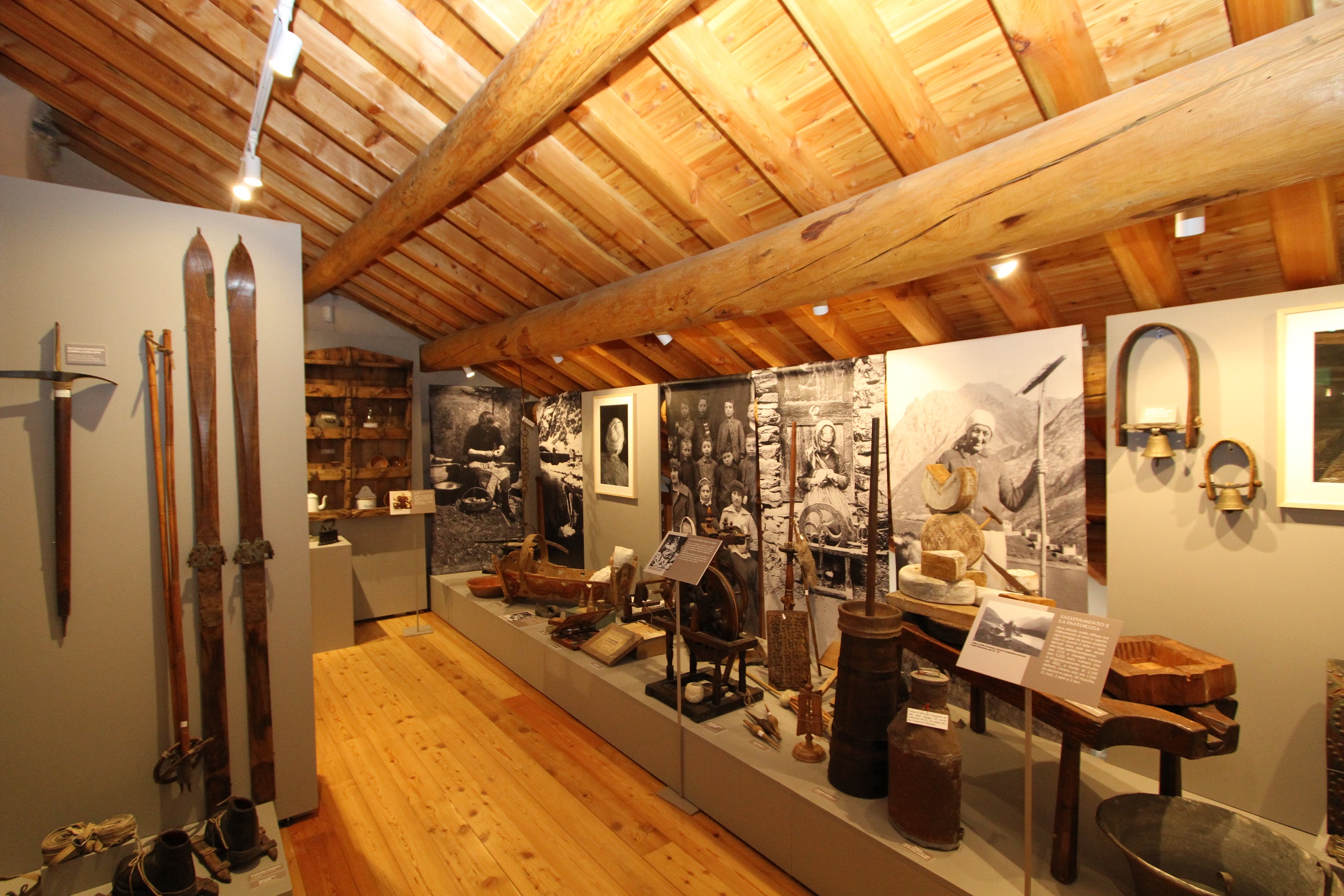
- Local traditions section
It contains traditional artefacts of the local material culture mainly related to household work and productive activities:- home and children's care;
- farming work;
- leisure time.
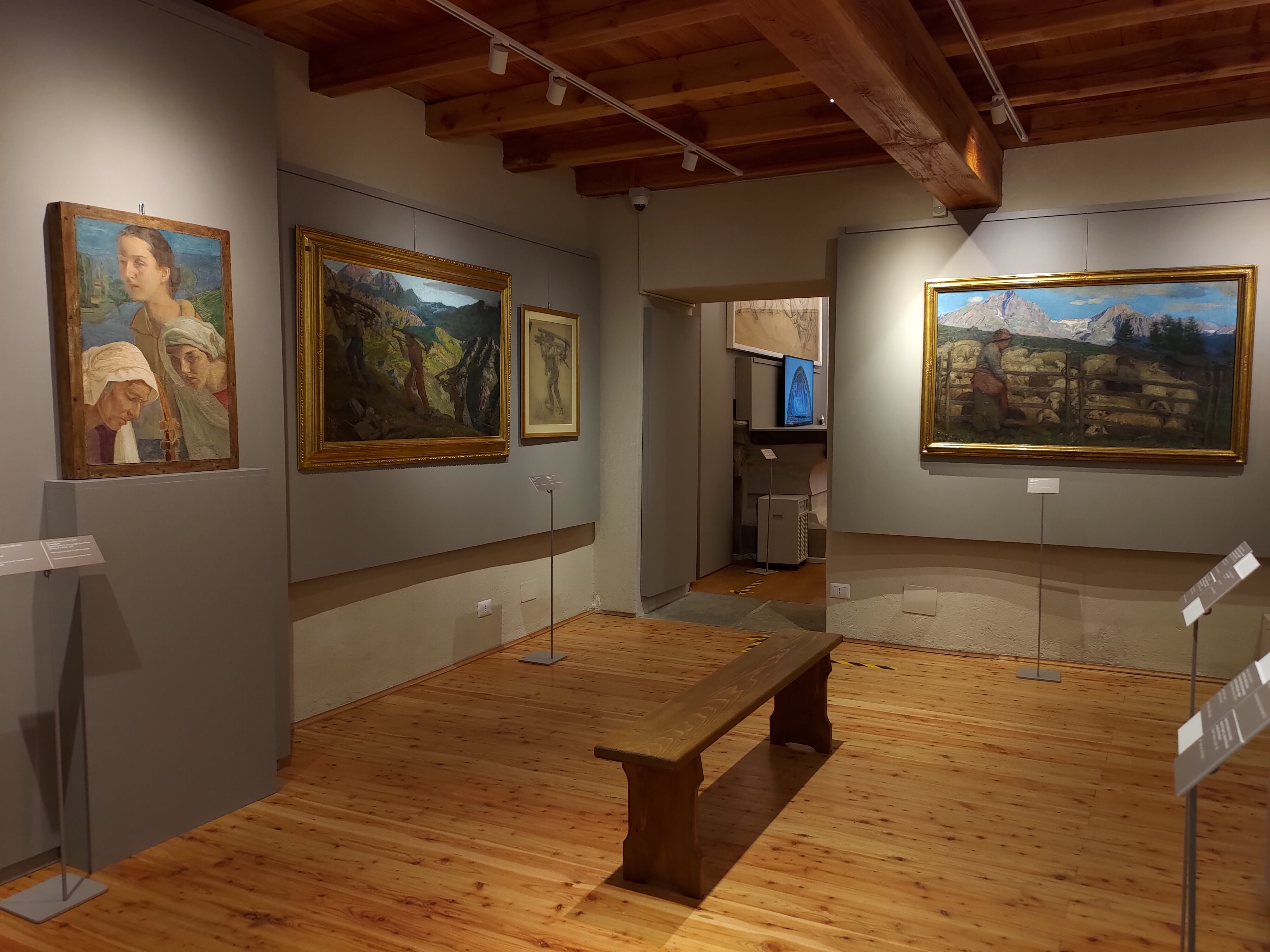
- Arts section
It include:- the hall dedicated to the painter Cesare Ferro Milone (Turin, 1880-1934), a native of Usseglio,
- the hall housing works by artists who were active in the Viù Valley at the turn of the 19th and 20th centuries;
- paintings of a religious character, such as two Adorations ascribed to the Court painter Vittorio Amedeo Rapous (1729-1800).
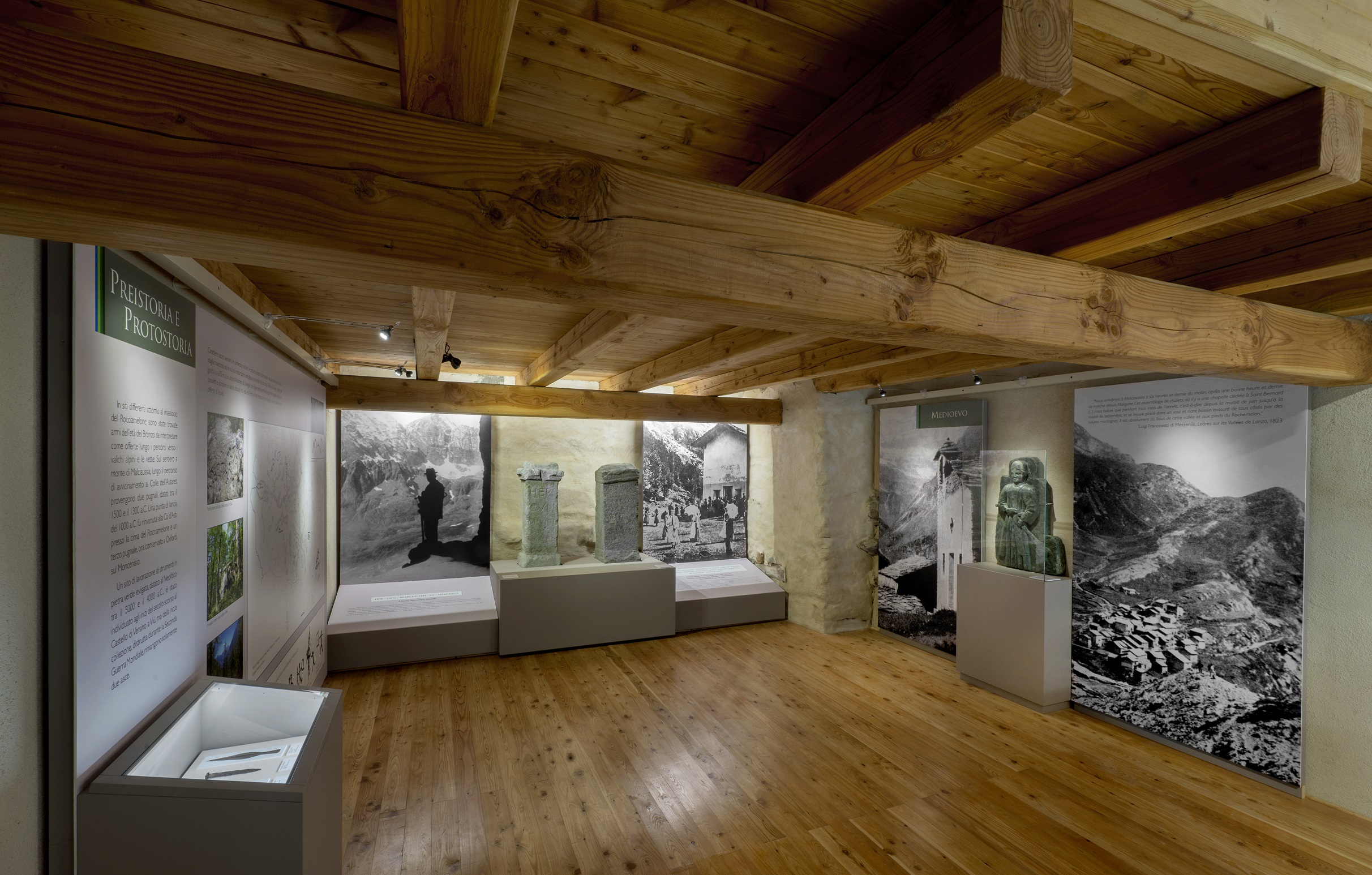
- Archaeology section
It houses local archaeological evidence from prehistory to the Middle Ages, including:- two Roman votive altars;
- a mediaeval high relief depicting Saint Bernard of Aosta;
- Open-air museum.
The museum has restored somel sites on the Usseglio area, which may be visited by visitors freely or with guided tours:- a large boulder with several inscriptions and rock engravings known as the Rock of Games;
- the Vulpot mill;
- an itinerary dedicated to the discovery of historical evidence, including several stone inscriptions.
Activities
The Museum provides:
- research activities about natural heritage and local culture;
- cultural trails and guided tours;
- events: book presentations, concerts and conferences;
- collaborations with public bodies, cultural associations and universities.
Gallery

How many things can one learn about the natural world? Find it all out at the Regional Museum of Natural Sciences!