Beekeeping Museum
Overview
The Beekeeping Museum in Novi Ligure is the only one in Piedmont entirely dedicated to beekeeping.
It was established in 2016 after resident beekeepers Amelia and Giacomo Bisio had donated beekeeping materials to the municipality of Novi Ligure.
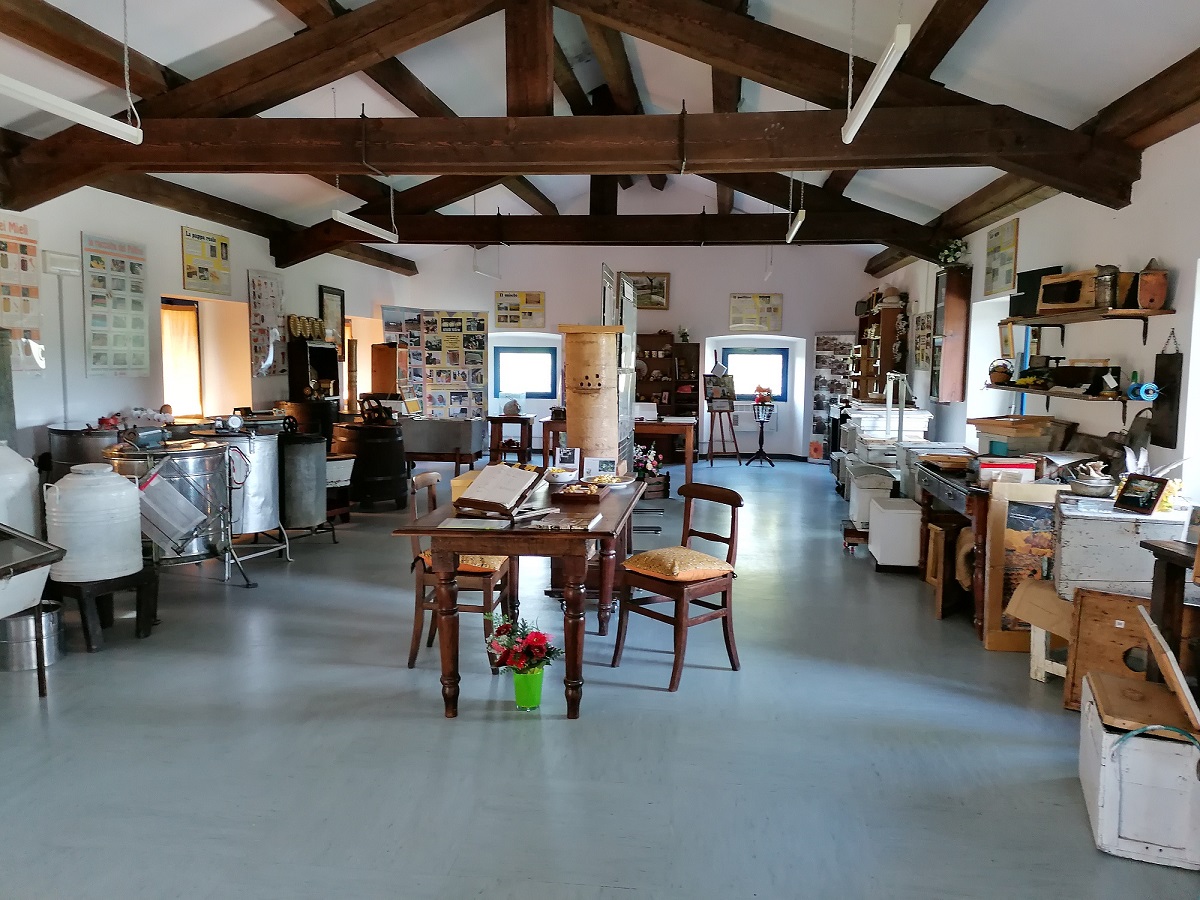
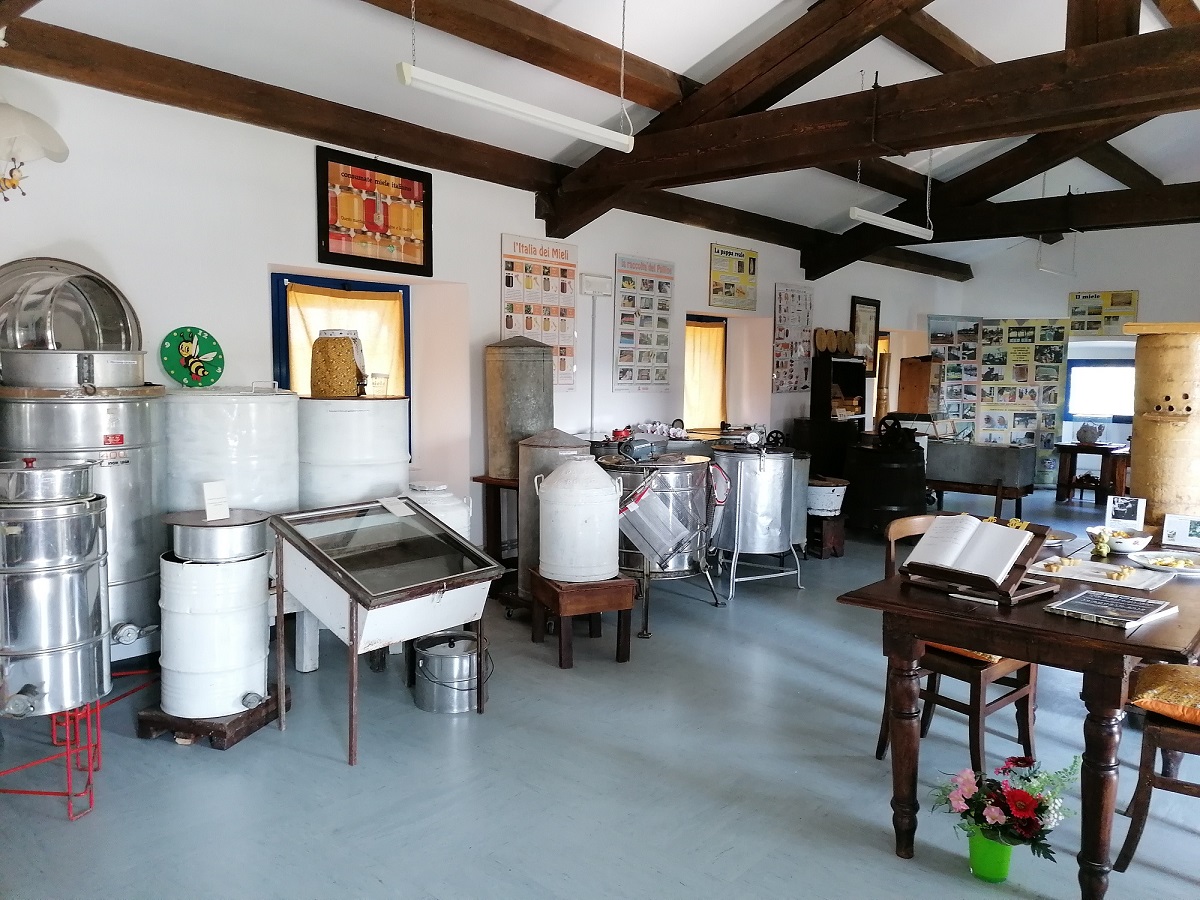
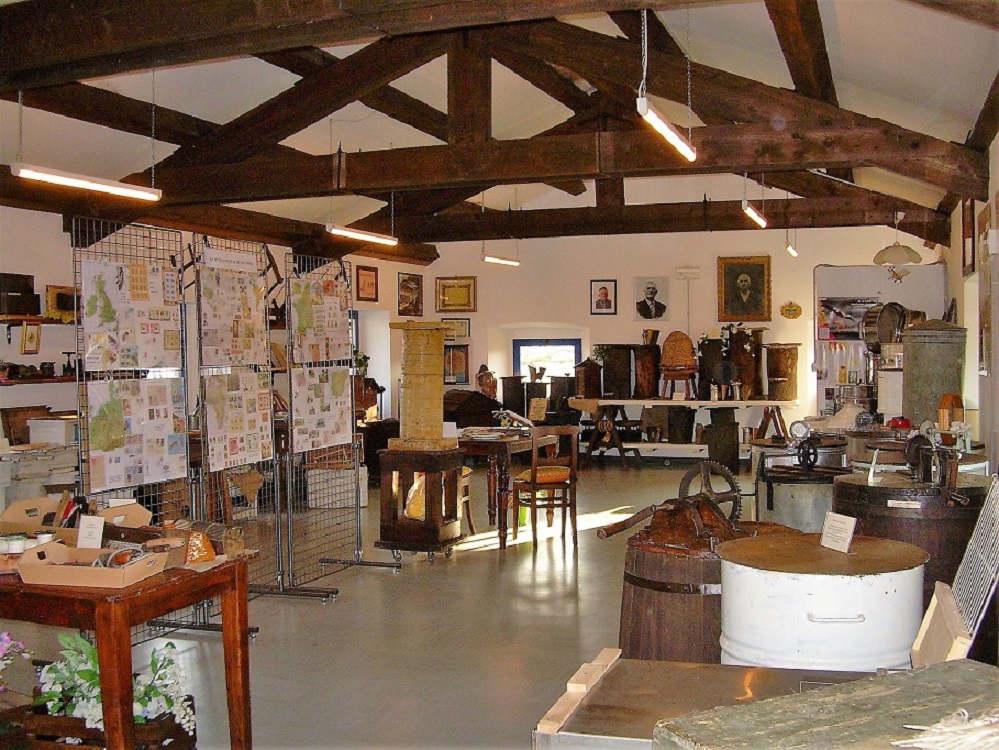
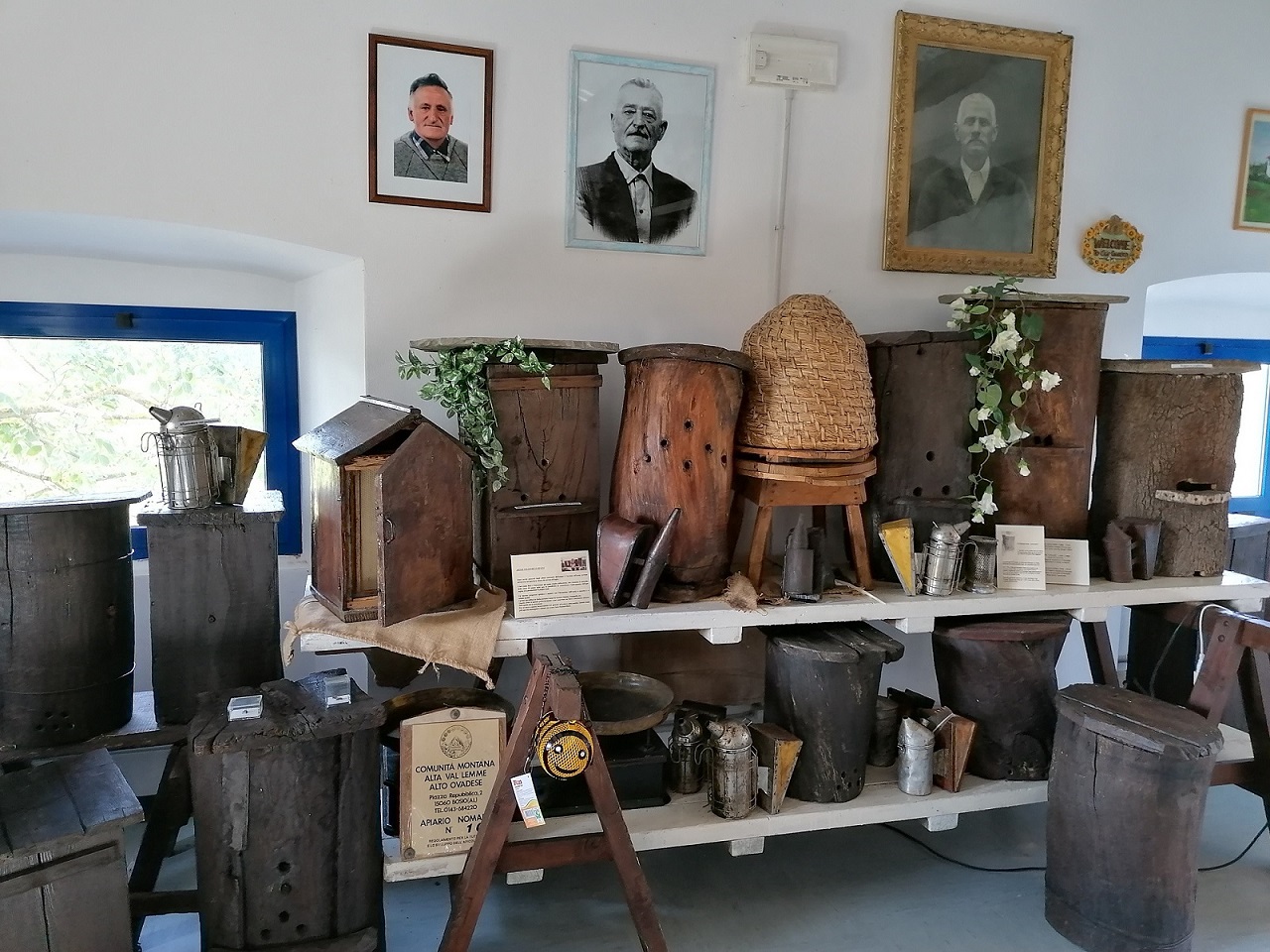
The Museum exhibits an intriguing and wide-ranging collection of objects and artefacts, interweaving the past and present of beekeeping and its evolution over the last 200 years.
The following items are on display:
- traditional beehives and hives;
- feeders;
- presses;
- honey extractors;
- genuine antique and modern tools used for each honey production sequence;
- wax sculptures;
- a thematic philatelic collection are on display also.
The museum has a section rich in magazines and books on beekeeping, available for consultation.
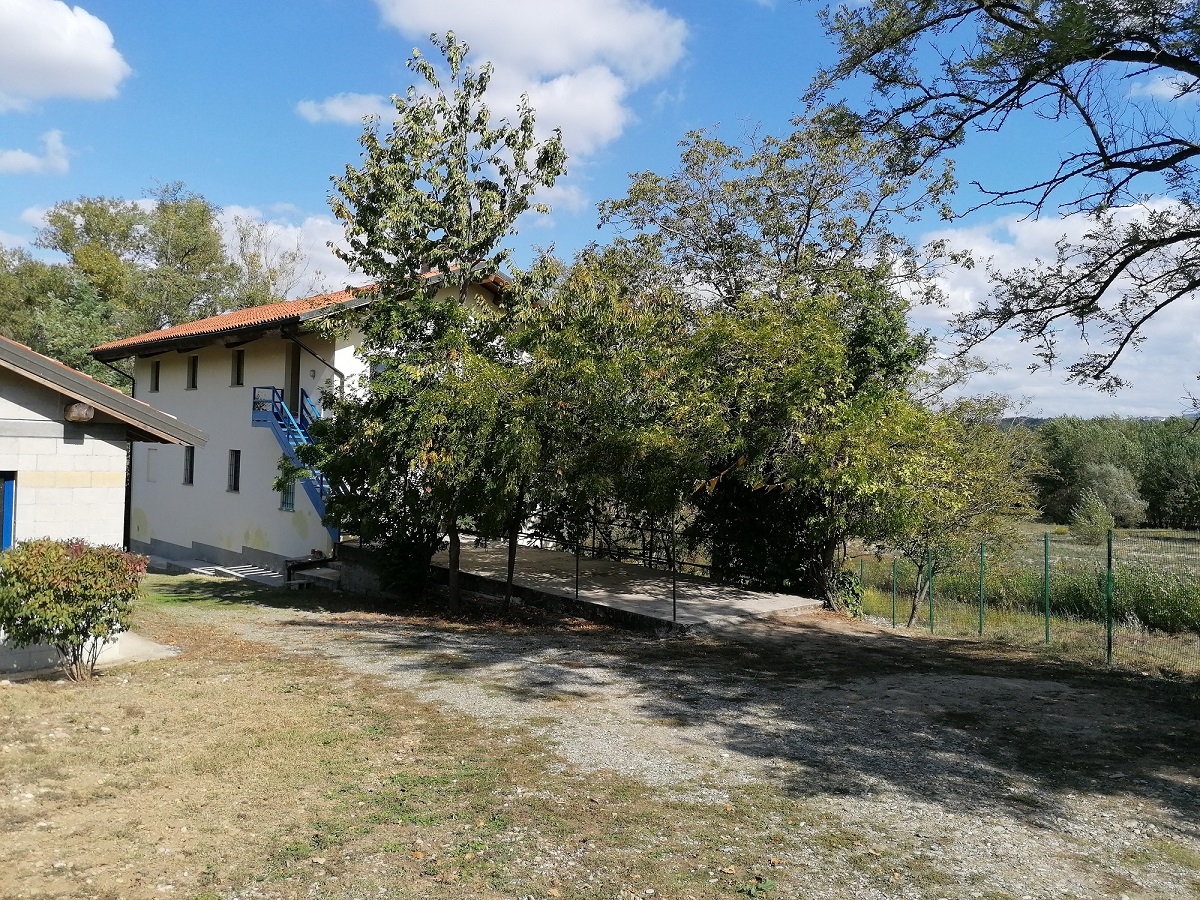
The museum is housed in the Maglietto, a former blacksmith's workshop for the manufacturing of farming implements.
The mallet was powered by the Scrivia river downstream, channelled by an irrigation ditch. Some of it is still visible today.
The building has three stories:
- the basement for conventions and conferences;
- the ground floor for reception and environmental education;
- the first floor housing the museum.
The Maglietto is located within a Site of Community Importance (SCI) for the safeguarding of birdlife and the presence of quite a few species of plants.
Both the facility and the museum are managed by the Maglietto-Novi Ligure Association, aimed at valorising the Scrivia riverbed.
Activities
The Museum provides:
- guided tours for students of all levels and the general public;
- dissemination lectures;
- environmental education;
- special events:
- April 200th, anniversary of the Museum's opening;
- May 20th, World Bee Day;
- September, National Day of Small Museums.
The Museum cooperates with the Environment and Land Planning Department of the Alessandria Province.
Virtual tours, videos and webinars
Gallery

How many things can one learn about the natural world? Find it all out at the Regional Museum of Natural Sciences!