BIELLA’S TERRITORY MUSEUM
Overview
The museum houses Biella's civic collections, whose creation dates back to the second half of the 19th century.
Under the mentorship of such personalities as Quintino Sella and Alessandro Roccavilla, they have been enriched over time by:
- finds throughout the territory;
- donations;
- legacies;
- deposits.
The museum's holdings are split into two visit routes:
- Palaeontology–Archaeology route;
- History and Art route.
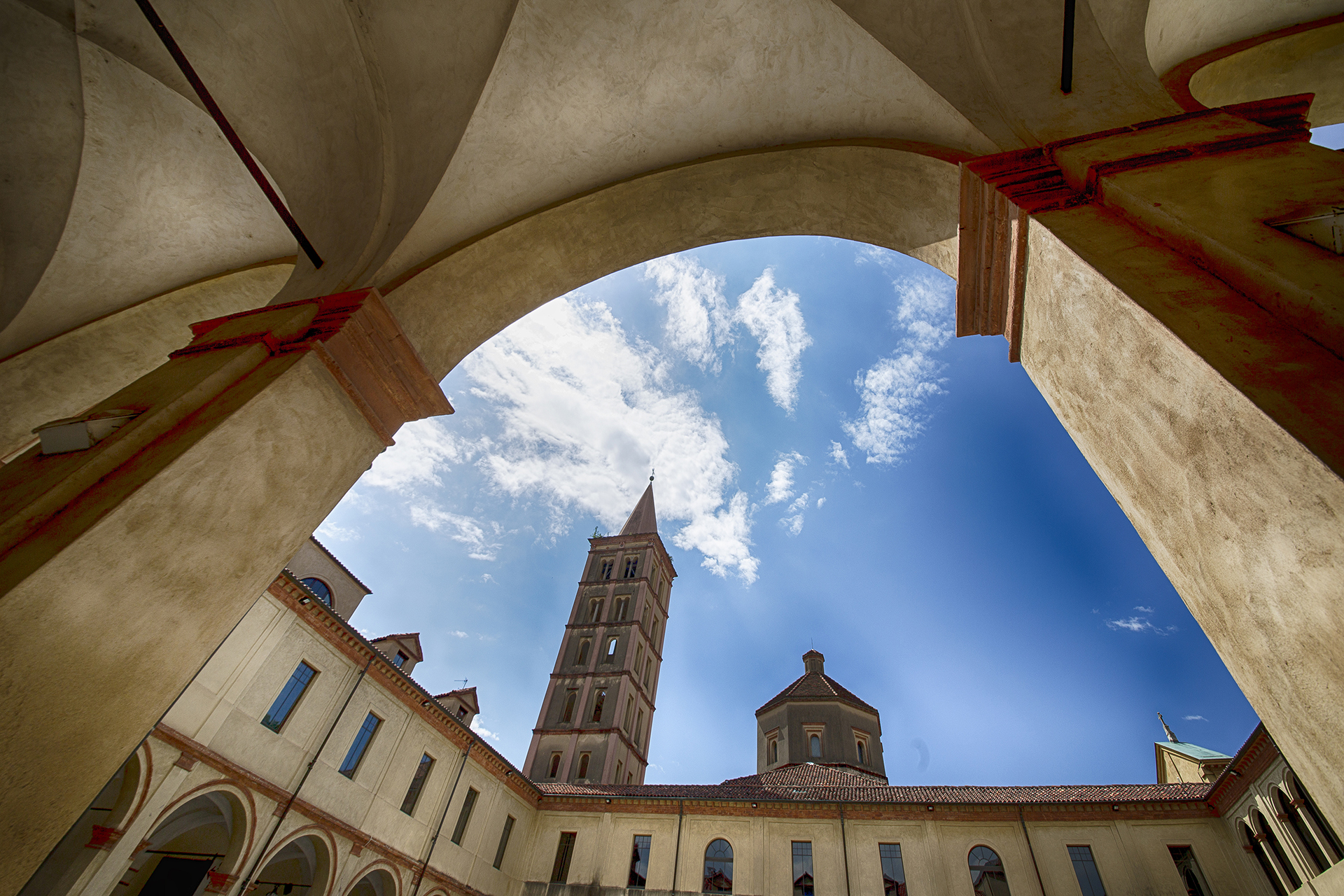
The building that houses the Museum is the Cloister of San Sebastiano, a Lombard inspired example of architecture commissioned by Sebastiano Ferrero, one of the major Renaissance figures at the court of Lodovico il Moro.
Duration of the visit: approximately two hours.
Collections
Palaeontology Section
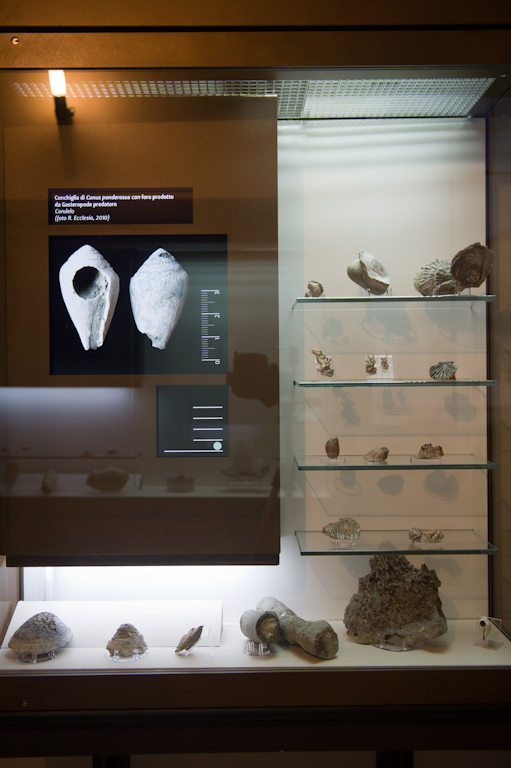
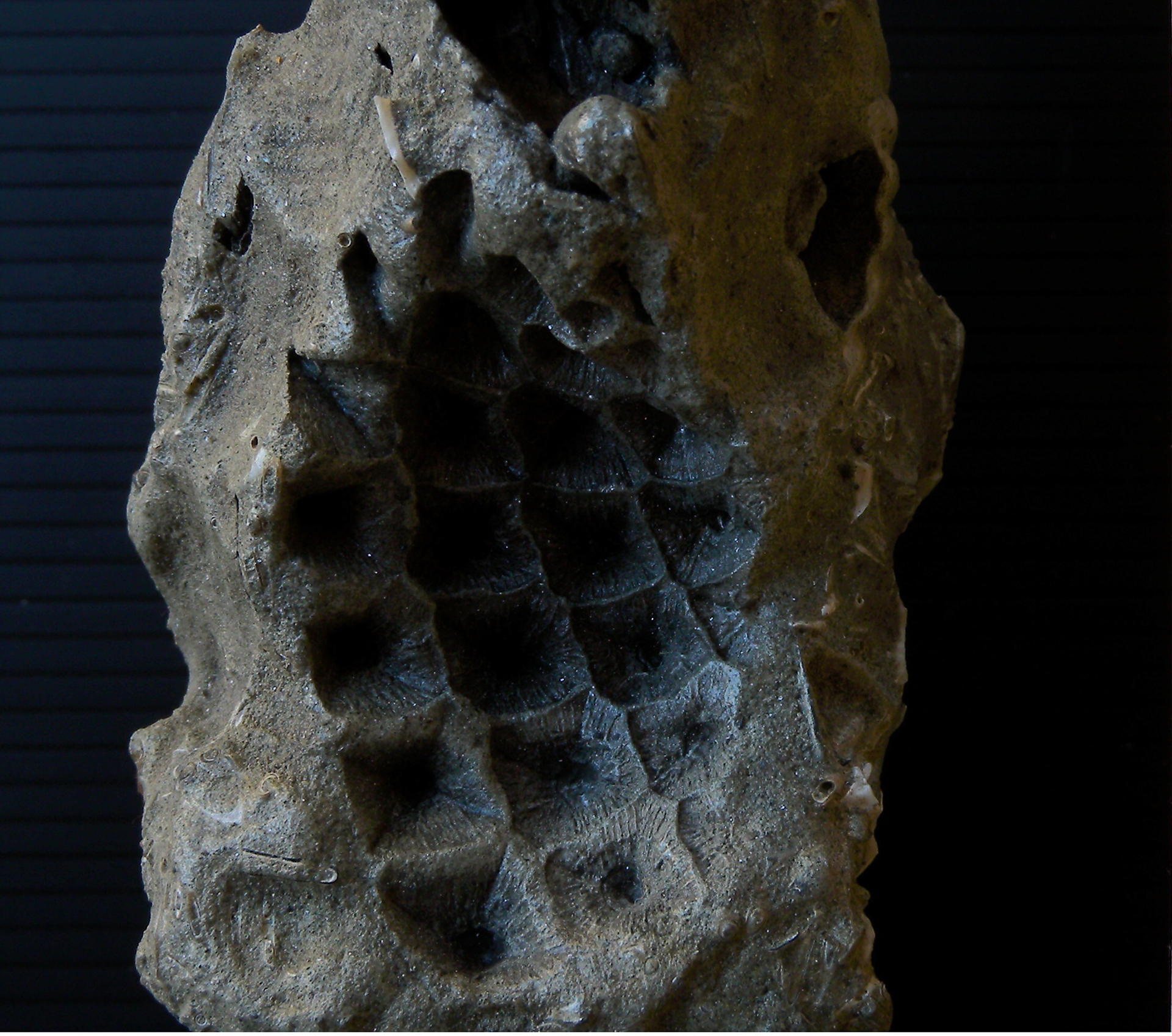
The Museum records a remarkable collection of marine fossils, both plants and animals found in the sedimentary rock outcrops of the Cervo stream, that flows across the provinces of Biella and Vercelli, being the main tributary of the Sesia river.
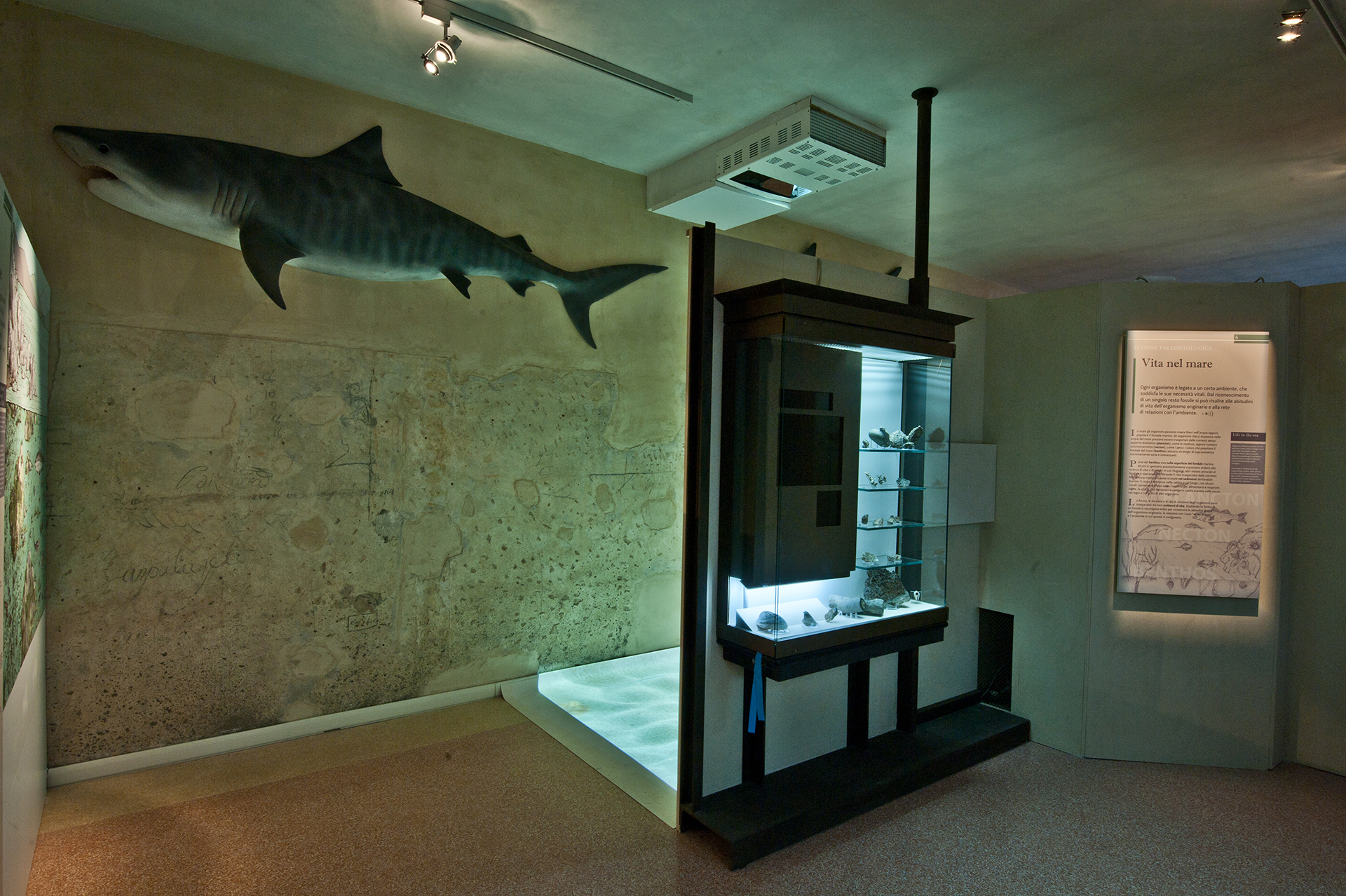
The exhibition route provides the chance of a walk into a virtual sea, fish interacting with the visitor.
The sound of water in the background and the striking reconstructive drawings help bring our imagination back to 3 million years ago.
This makes it possible to get aware how fossils are such fascinating witnesses to the past and indeed repository of information: from a tiny fossil remnant one can trace the life habits of the original organism and the network of relationships it had with the environment it lived in.
Some of the exhibits on display include:
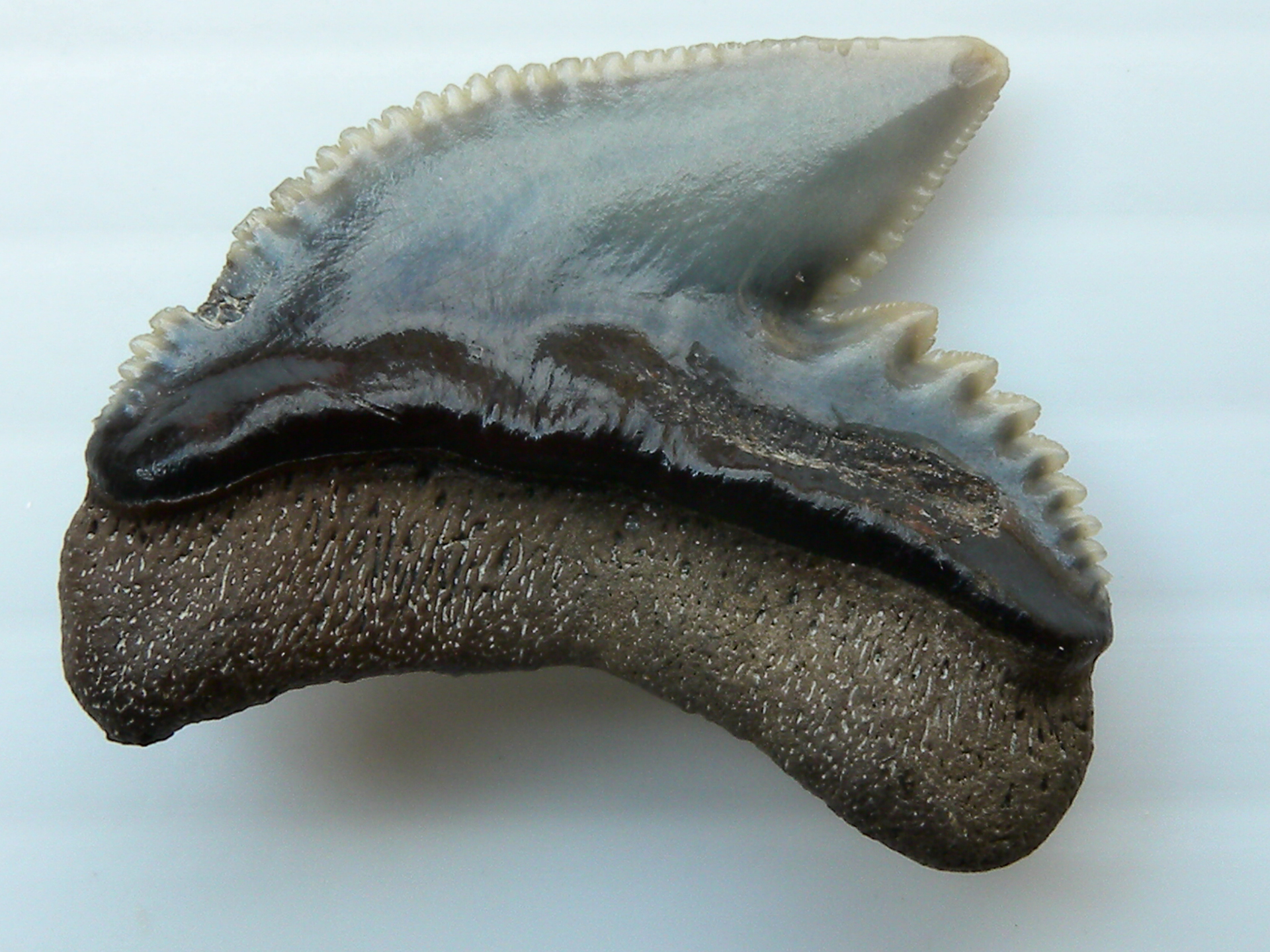
- teeth of an isurus shark, also called galeocerdo, ancestor of today's tiger shark;
- vertebral disc of a whale;
- teeth and other remains belonging to a stingray fish.
Archaeology Section
The exhibits in the Archaeology Section bear witness to the different stages of settlement in the Biellese territory:
- from Prehistory to the Neolithic;
- the Bronze Age;
- the main stages of Romanisation;
- from the Roman Age up to the Middle Ages.
The exhibition Viaggiare sull1acqua nel Biellese antico (Travelling on water in the ancient Biellese area) displays a one-piece pirogue from the Roman Age, an outstanding wooden artefact from the nearby Lake Bertignano, in Viverone (BI).
Worthy of note is the Egyptian Hall, dedicated to the Biellese Egyptologist Ernesto Schiaparelli, as well as the Pre-Columbian Cultures Hall.
Art History Section
Among the diverse works, the Section includes:
- 16th-century paintings from Vercelli workshops;
- 18th-century works, bearing witness to the cultural environment in which the Galliari Brothers, internationally renowned Biellese stage designers, worked;
- 19th-century collections presenting Piedmontese landscape paintings, works by Antonio Fontanesi, Marco Calderini, Giovanni Giani, Giovanni Piumati and Lorenzo Delleani, a native of Pollone;
- 20th century works by Emilio Longoni, Carlo Carrà, Giacomo Balla, Lucio Fontana and foreign artists such as René Magritte, Paul Klee, Max Ernst, Marc Chagall, Joan Mirò.
Library
The library is a part of the Biellese Library System.
It holds over 2,000 publications including volumes on art, philosophy and history and exhibition catalogues.
Activities
The Museum provides:
Gallery

How many things can one learn about the natural world? Find it all out at the Regional Museum of Natural Sciences!