
Botanic Garden of the Univesity of Turin
Overview
The Botanic Garden was set up in 1729 by the will of King Vittorio Amedeo II.
Its creation came with the establishment of the Chair of Botany, at the Faculty of Medicine of the University of Turin, dedicated to the cultivation of simples and the investigation of their therapeutic properties.
The simples are plant species for the production of pharmaceuticals.
Besides these studies, bodies of research on spontaneous species from Piedmont, exotic species and hybrids were carried out for the following purposes:
- medicinal;
- alimentary;
- ornamental.
Later on, as new living collections were added, the Garden was given a more modern layout, becoming home to:
- harvesting;
- cultivation;
- didactics;
- research.
The Botanic Garden first opened to the public in 1997.
Since then, it has been continuously enriching with new species and collections being added.
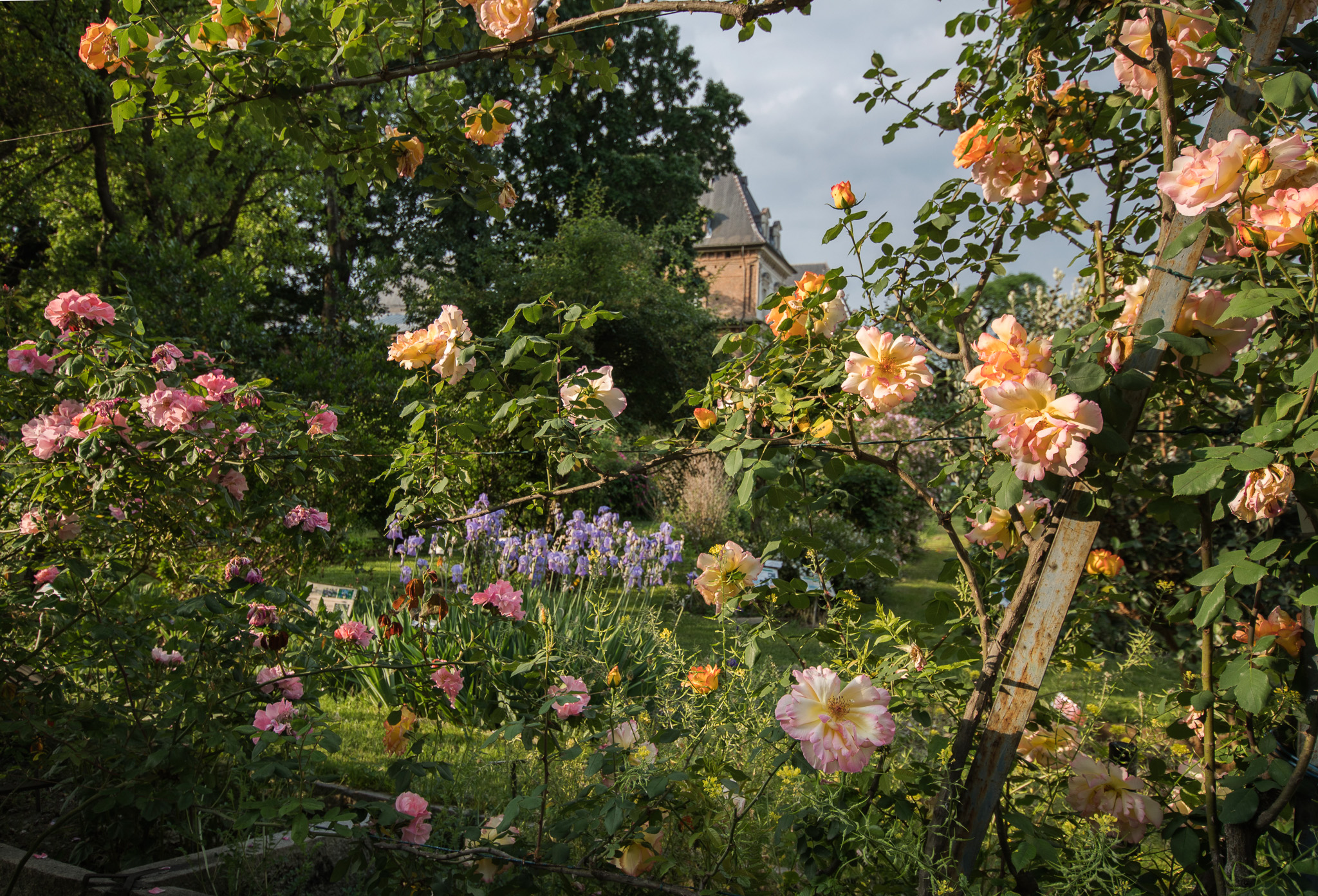
The Garden is currently home to a large number of plants, bringing new surprises every season.
A small pathway equipped with boards with embossed drawings and text in Braille, concerning well-known and familiar species.
The Botanic Garden is part of the Department of Life Sciences and Systems Biology of the University of Turin – DBios.
Duration of the visit: approximately one hour.
Collections
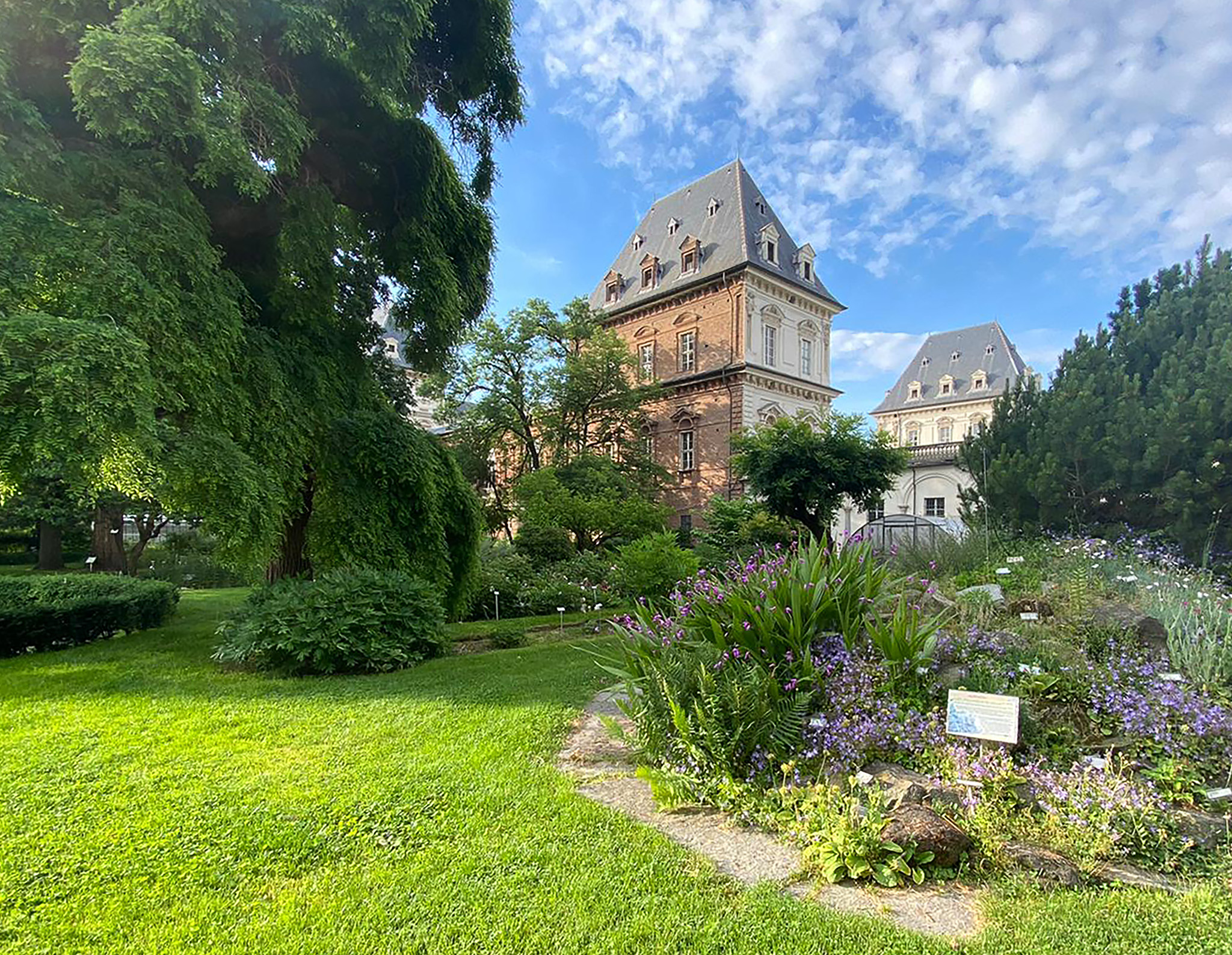
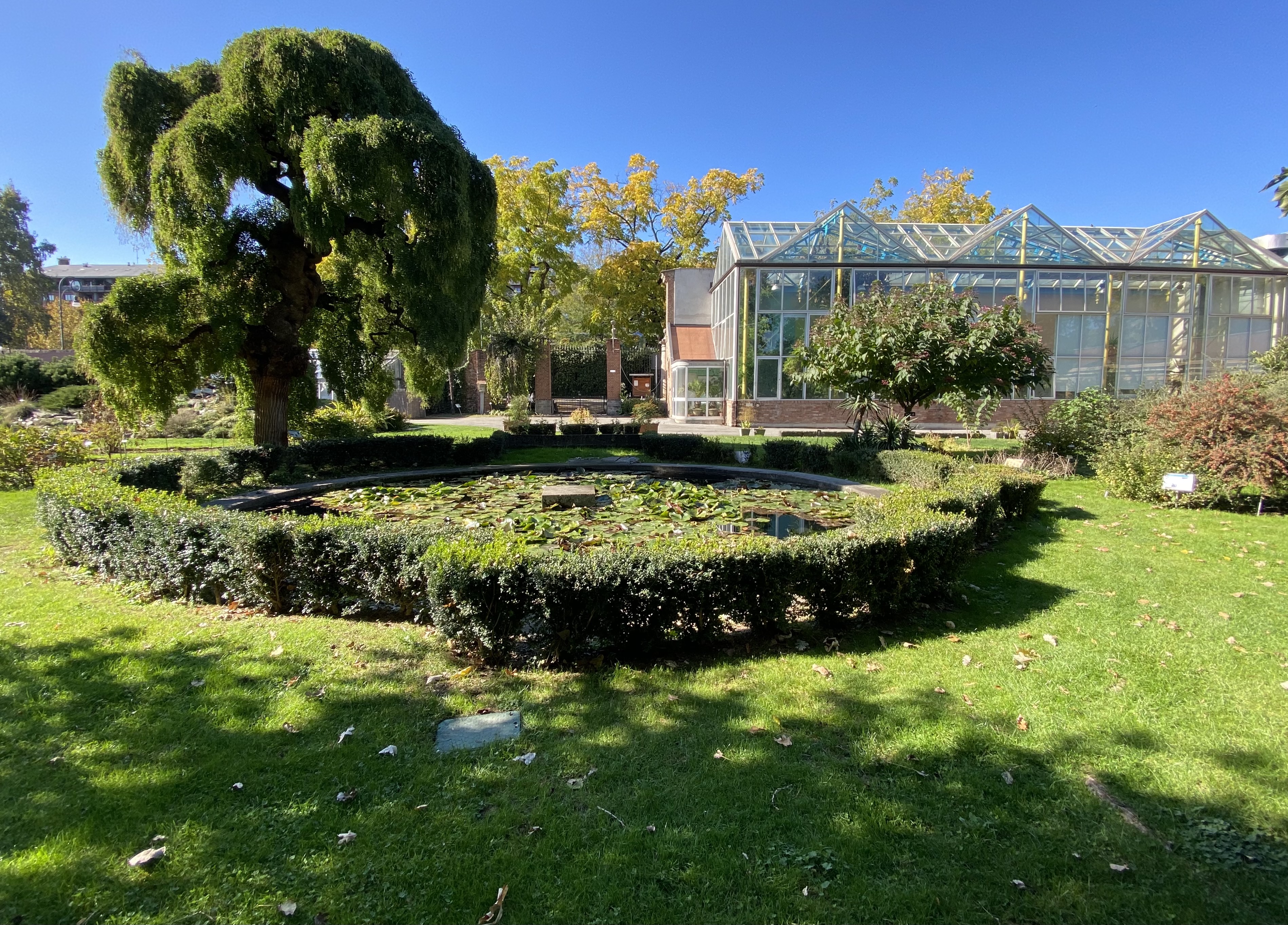
The Botany Collections of the Garden are divided into: front garden, arboretum and three greenhouses:
- over 1,500 species of herbs, trees and shrubs are cultivated in the Garden;
- in the Arboretum over 400 species and cultivars of trees and shrubs are grown;
- 300 species are present in the Tropical Greenhouse;
- in the Succulent Greenhouse there are 200 entities;
- the South Africa Greenhouse hosts about 200 species, mostly endemic.
The Garden and Arboretum are home to a number of 19th century trees including:
- Ginkgo biloba;
- Tilia tomentosa;
- Liriodendron tulipifera;
- Platanus hybrida;
- Pterocarya fraxinifolia;
- Fagus sylvatica.
Library
The Library which serves as a reference for the Botanic Garden is in the DBios Department.
The volumes can be consulted on site during the opening hours.
Activities
The Botanic Garden provides:
- guided tours for schoolchildren, tailored to the level of education, and for groups.
Tours can be arranged:- during opening hours. The price is included in the entrance fee;
- all year round by appointment.
- thematic events and guided tours;
- courses;
- conferences;
- exhibitions.
Gallery
How many things can one learn about the natural world? Find it all out at the Regional Museum of Natural Sciences!