CARLO CONTI MUSEUM OF ARCHAEOLOGY AND PALAEONTOLOGY, BORGOSESIA
Overview
The Museum was opened in 2007.
It is dedicated to Carlo Conti, sculptor and Honorary Inspector of the Piedmont Archaeological Superintendency from 1923 to 1954.
The Museum holds and displays:
- palaeontological material from gatherings carried out in the Mount Fenera caves, in Lower Valsesia;
- archaeological material, mainly found by Carlo Conti in the Borgosesia area in the 1930s.
Noteworthy are:
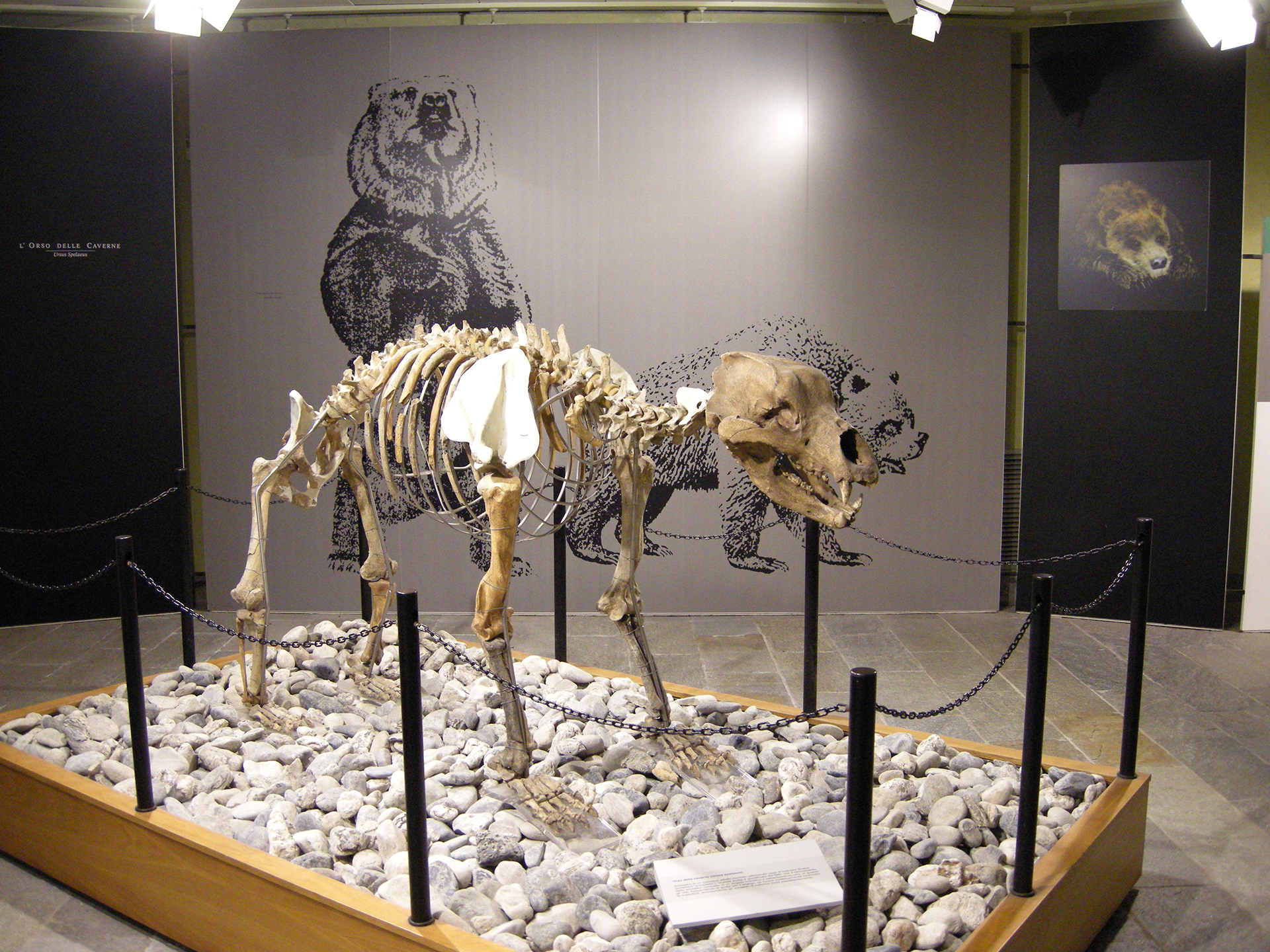
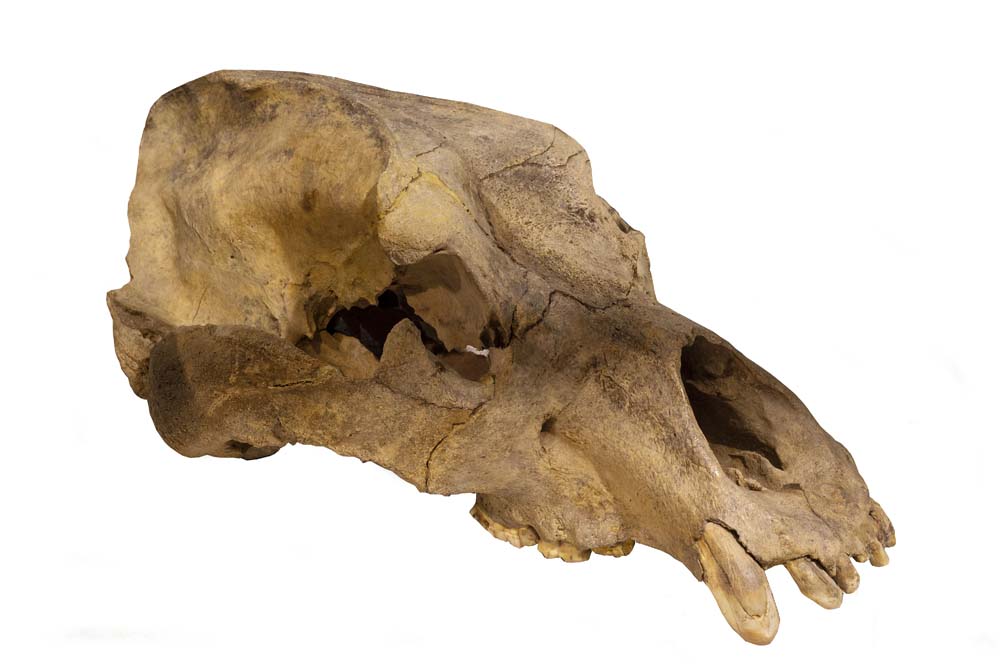
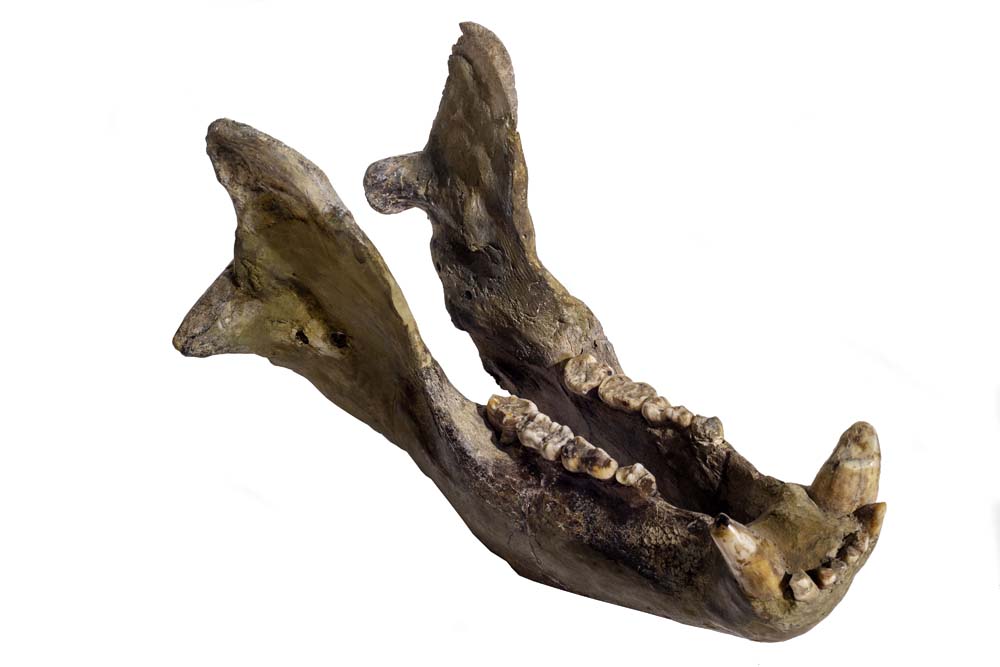
- a fully reassembled skeleton of the cave bear Ursus spelaeus;
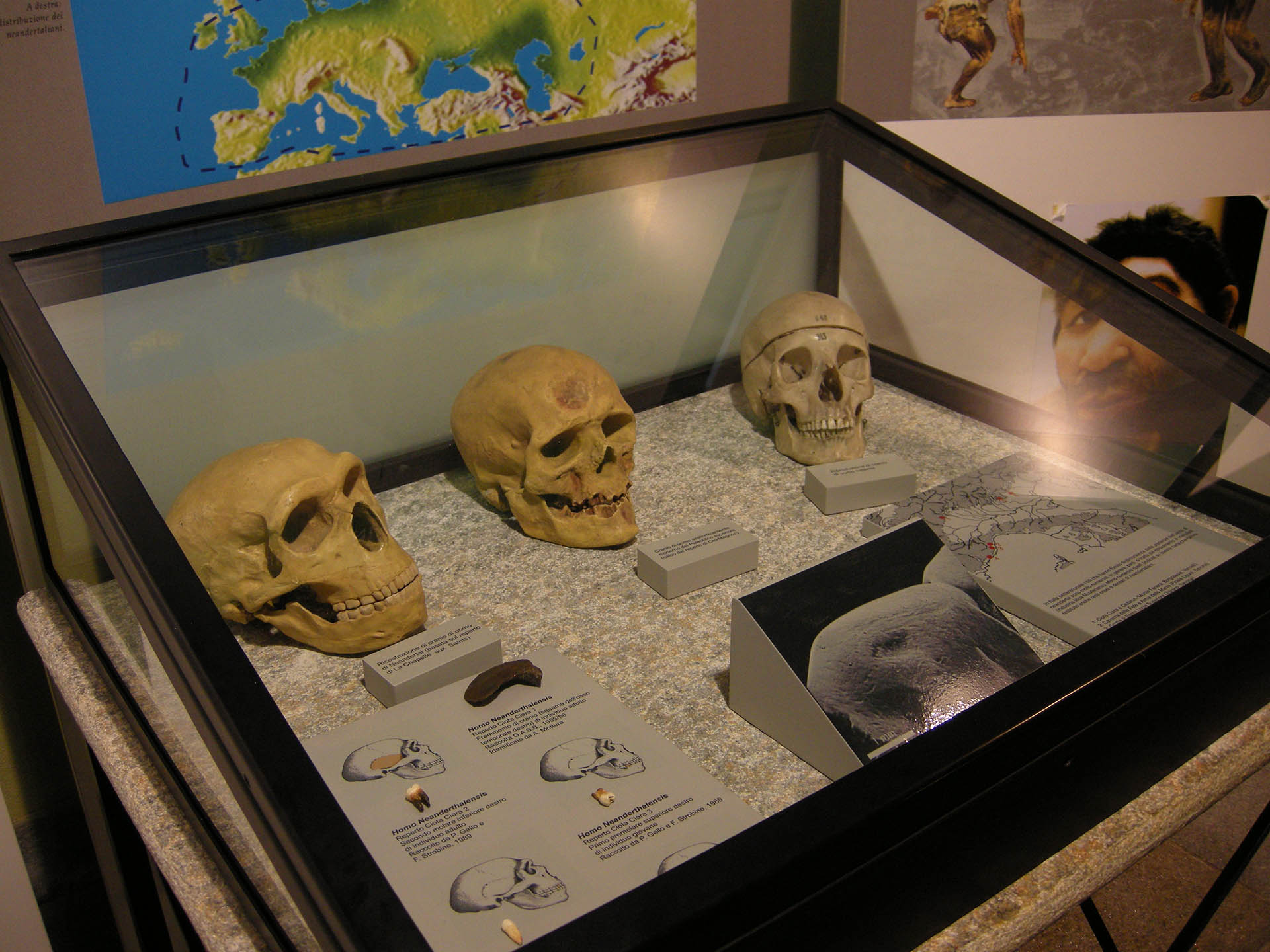
- bone remain casts of Neanderthal Man, the only finding in Piedmont and a rare occurrence in northern Italy.
No architectural barriers.
The museum is currently closed. Technical and structural work in progress.
Collections
The palaeontological and prehistoric collection comes from the karstic cavities of Mt Fenera.
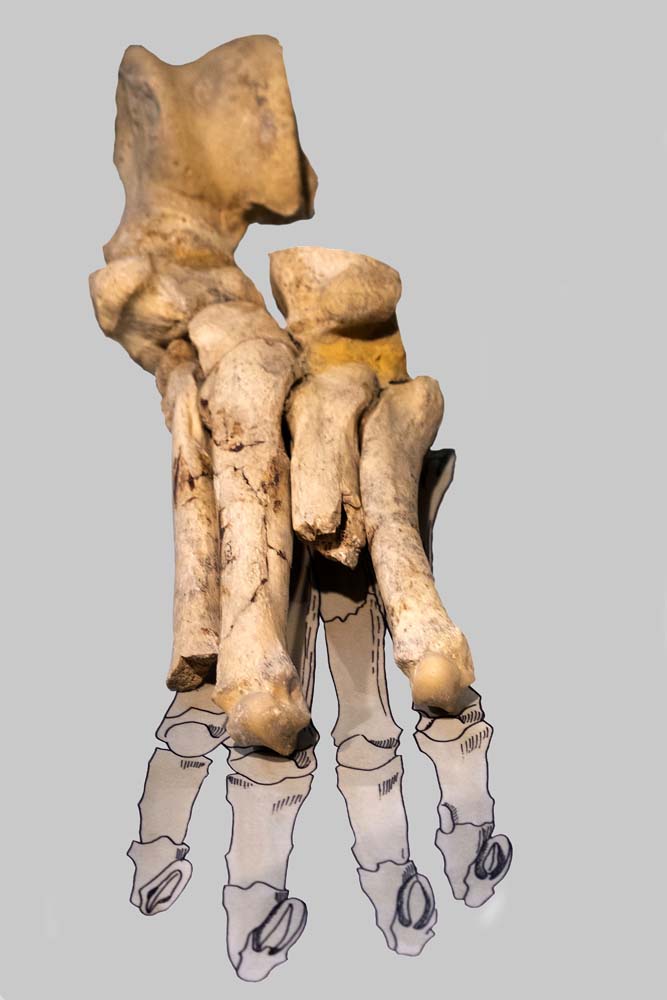
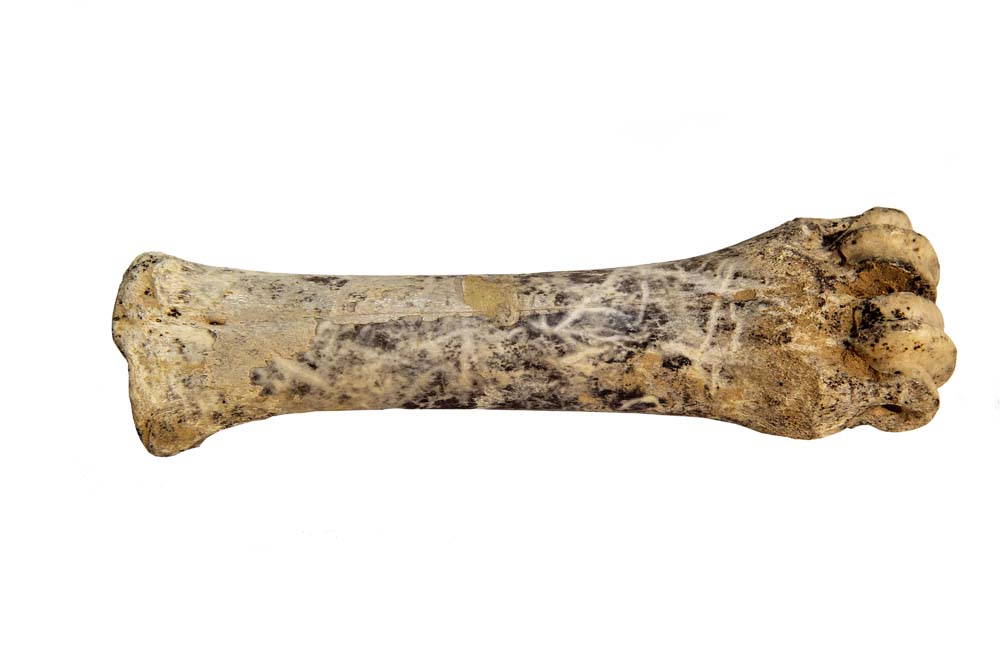
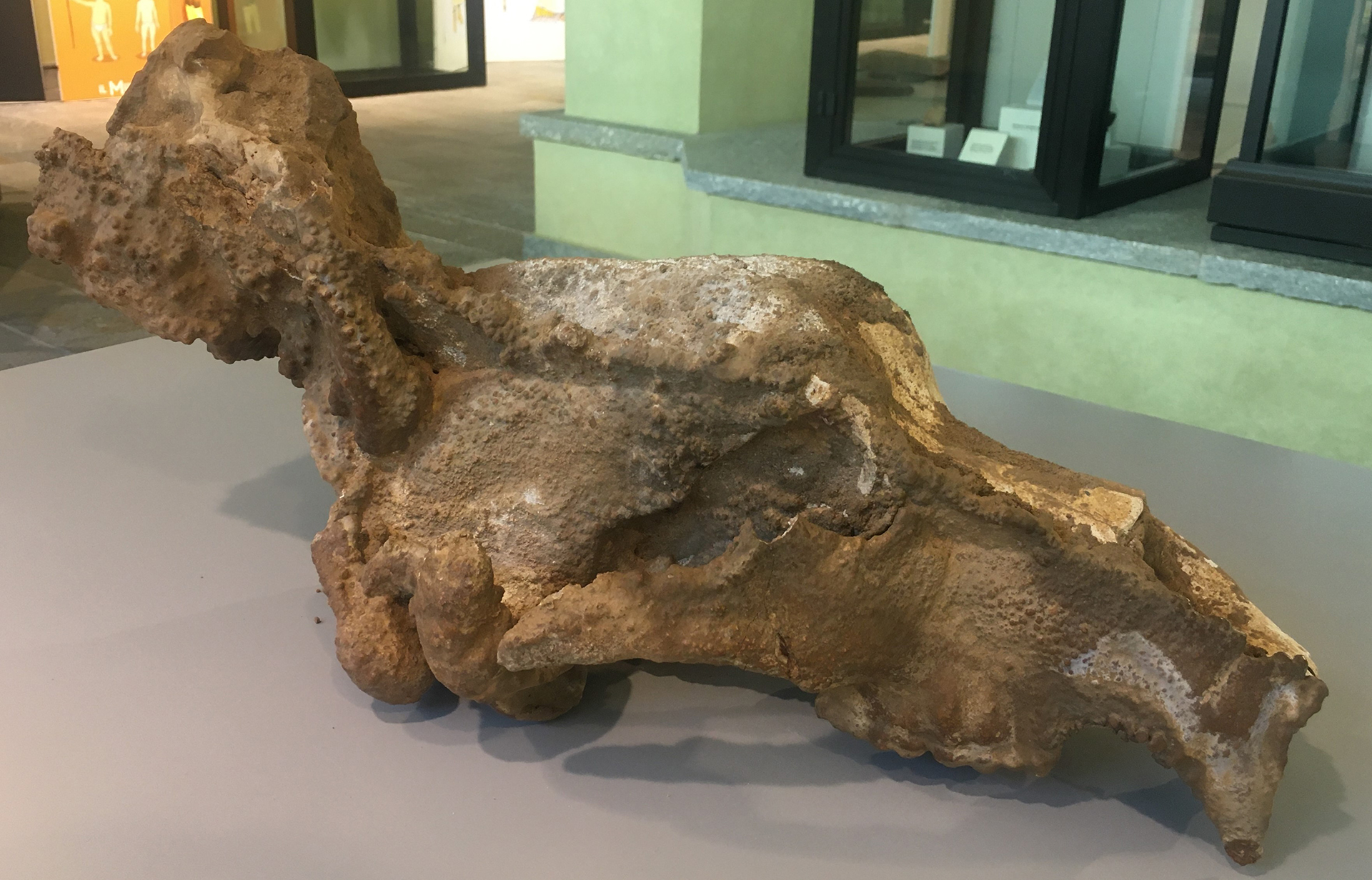
It comprises bone remains of Neanderthal Man and a large number of remains of Pleistocene fauna: cave lions, panthers, lynxes, rhinoceroses, aurochs, and cave bears.
A permanent exhibition of panels created by the University of Ferrara and donated to the museum is dedicated to Neanderthal Man.
The archaeological collection bears witness to the human presence in the area since the Middle Palaeolithic period.
It gathers a wide variety of finds: lithic tools, ceramic objects, grave goods, soapstone vases and a variety of metal items.
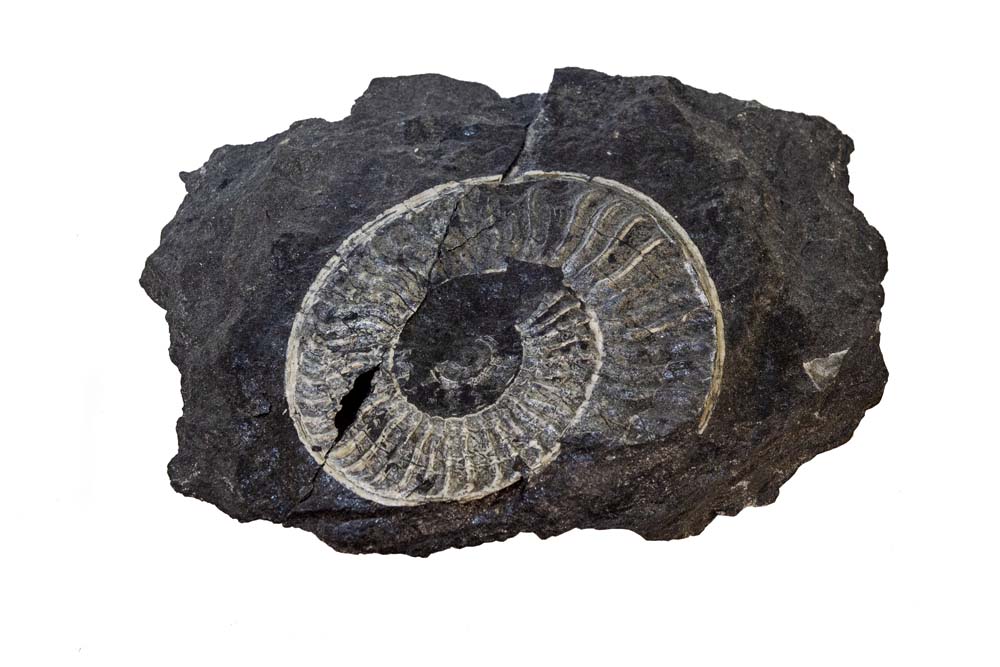
The Palaeontology and Archaeology Sections have been supplemented by a Geology Section dedicated to the Valsesia Supervolcano.
Library
The Museum houses a small library with works on local archaeology, available for consultation on site upon request.
Activities
The Museum provides:
- educational activities, workshops and thematic routes;
- dissemination activities addressed to a heterogeneous audience: thematic meetings, temporary exhibitions in collaboration with other museums and guided tours by appointment;
- scientific activities, in collaboration with the Universities of Ferrara and Geneva.
- self-guided walking tours in the Borgosesia area, on the four routes of the project Habitat, the home trails.
The project provides a sustainable approach to tourism, intended for families and tailored for slow travel.
The experiential booklets are available free of charge at affiliated shops.
Gallery
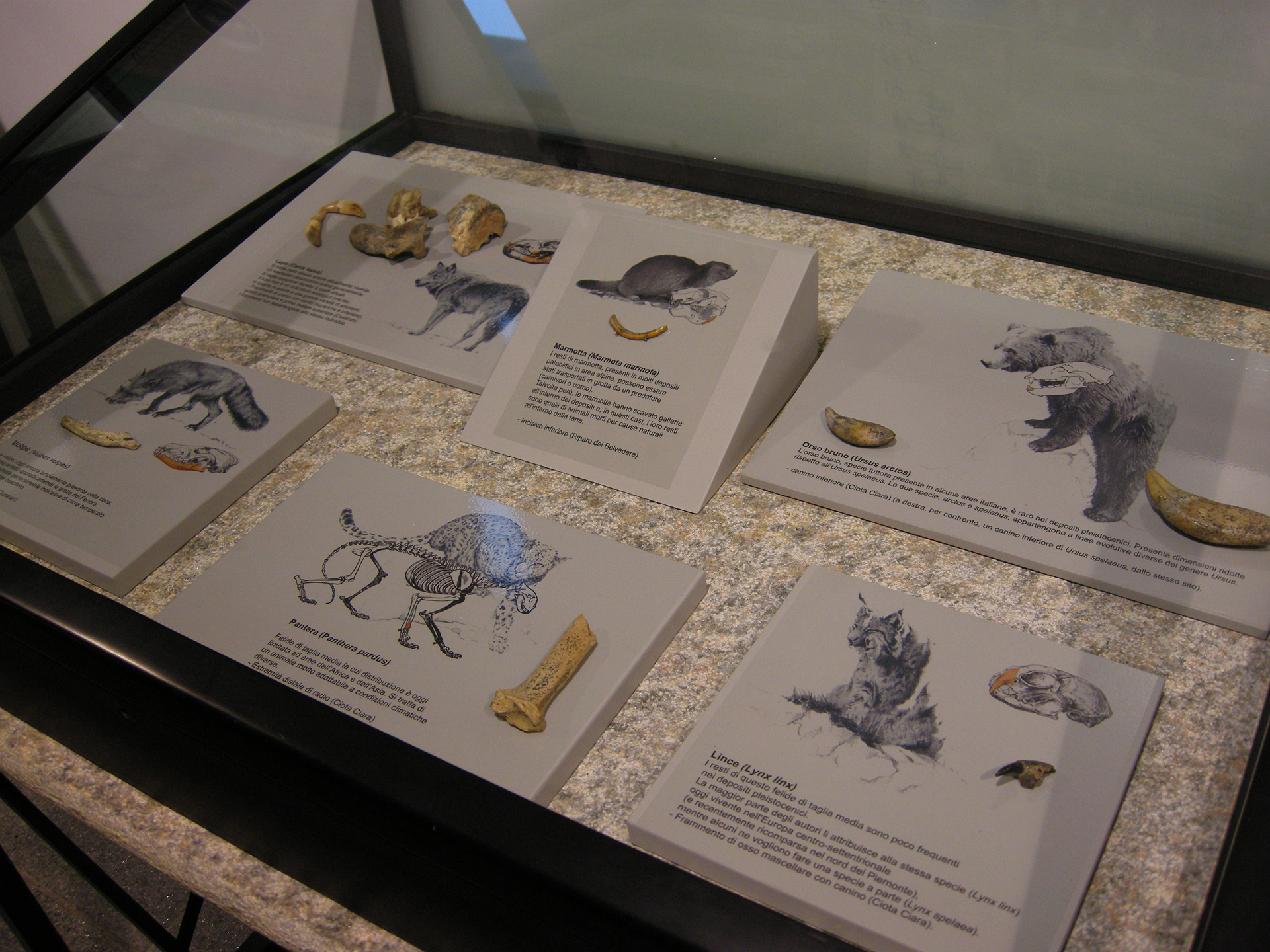
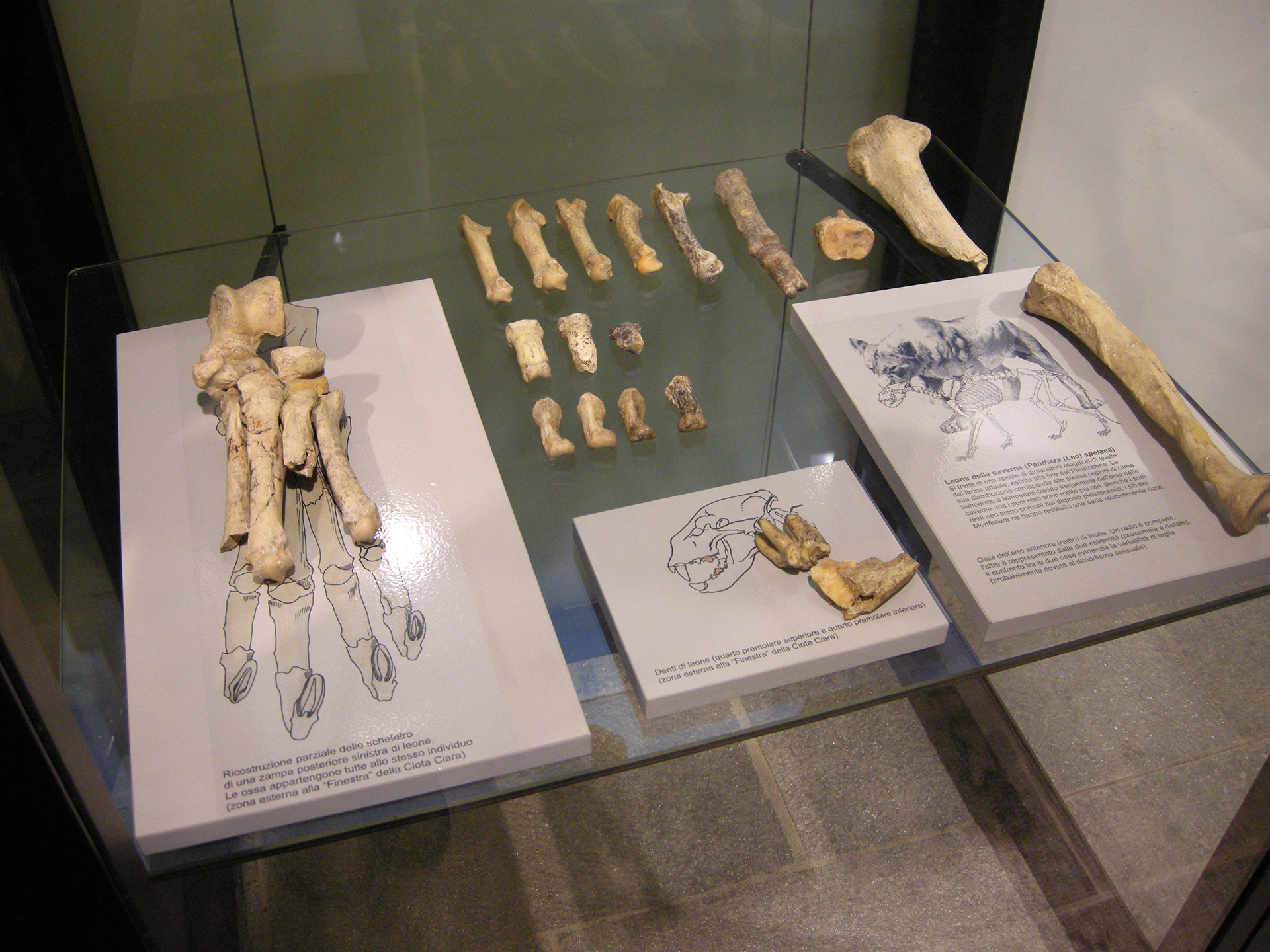
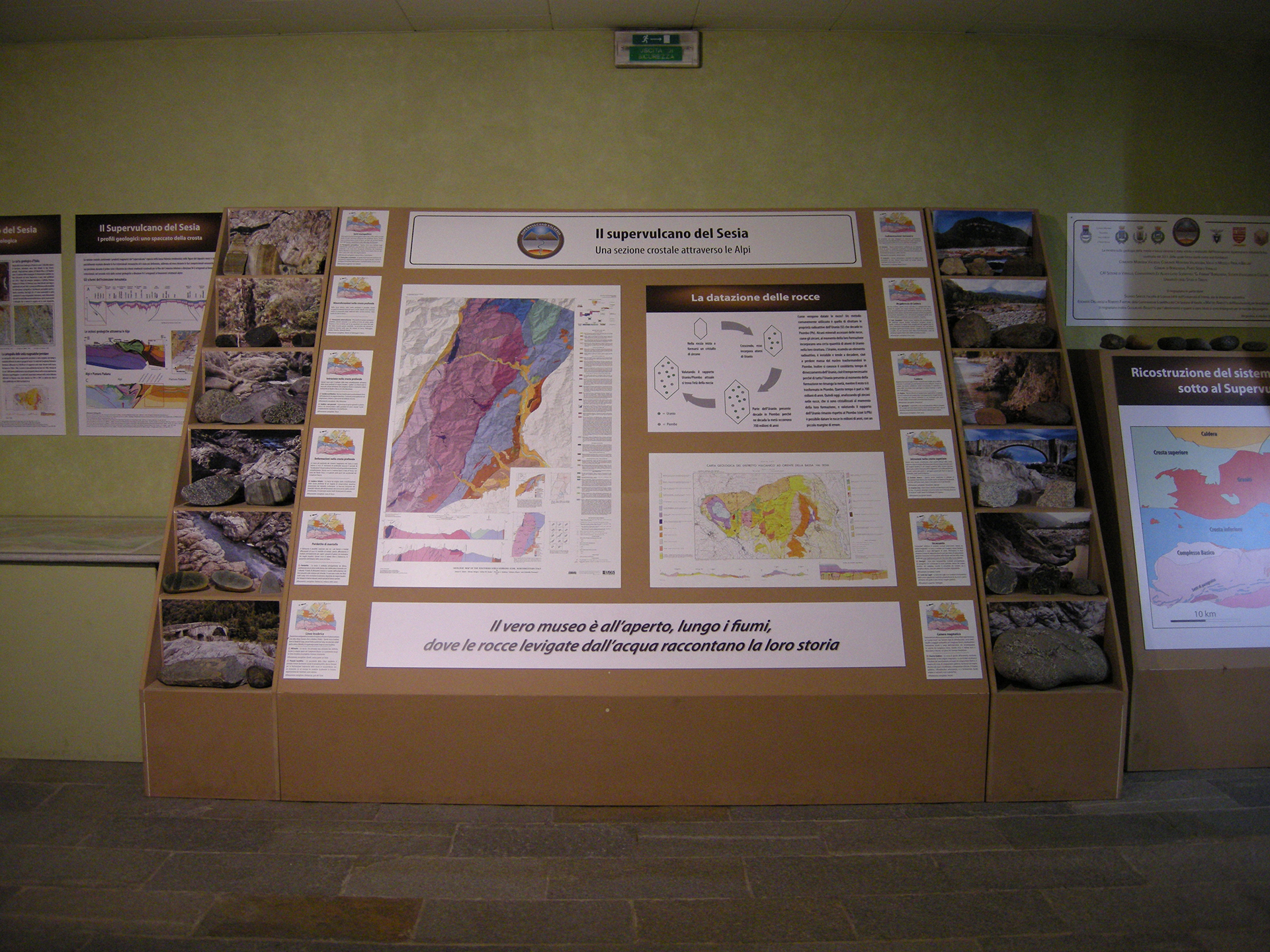
Fossil showcase
How many things can one learn about the natural world? Find it all out at the Regional Museum of Natural Sciences!