
Cesare Lombroso Museum of Criminal Anthropology
Overview
Worldwide unique in its kind, the Museum is dedicated to Cesare Lombroso (1835 – 1909), the founder of criminal anthropology.
The Museum covers the topics of deviance, with a focus on crime and madness.
The exhibition provides the visitor with concepts helpful in understanding:
- how and why Cesare Lombroso formulated the theory of criminal atavism;
- which scientific errors made develop a method that turned out to be wrong.
Atavism indicates the appearance in a human of physical features typical of lower animals, such as lemurs. It is interpreted as a reverting to behaviour typical of primitive human forms.
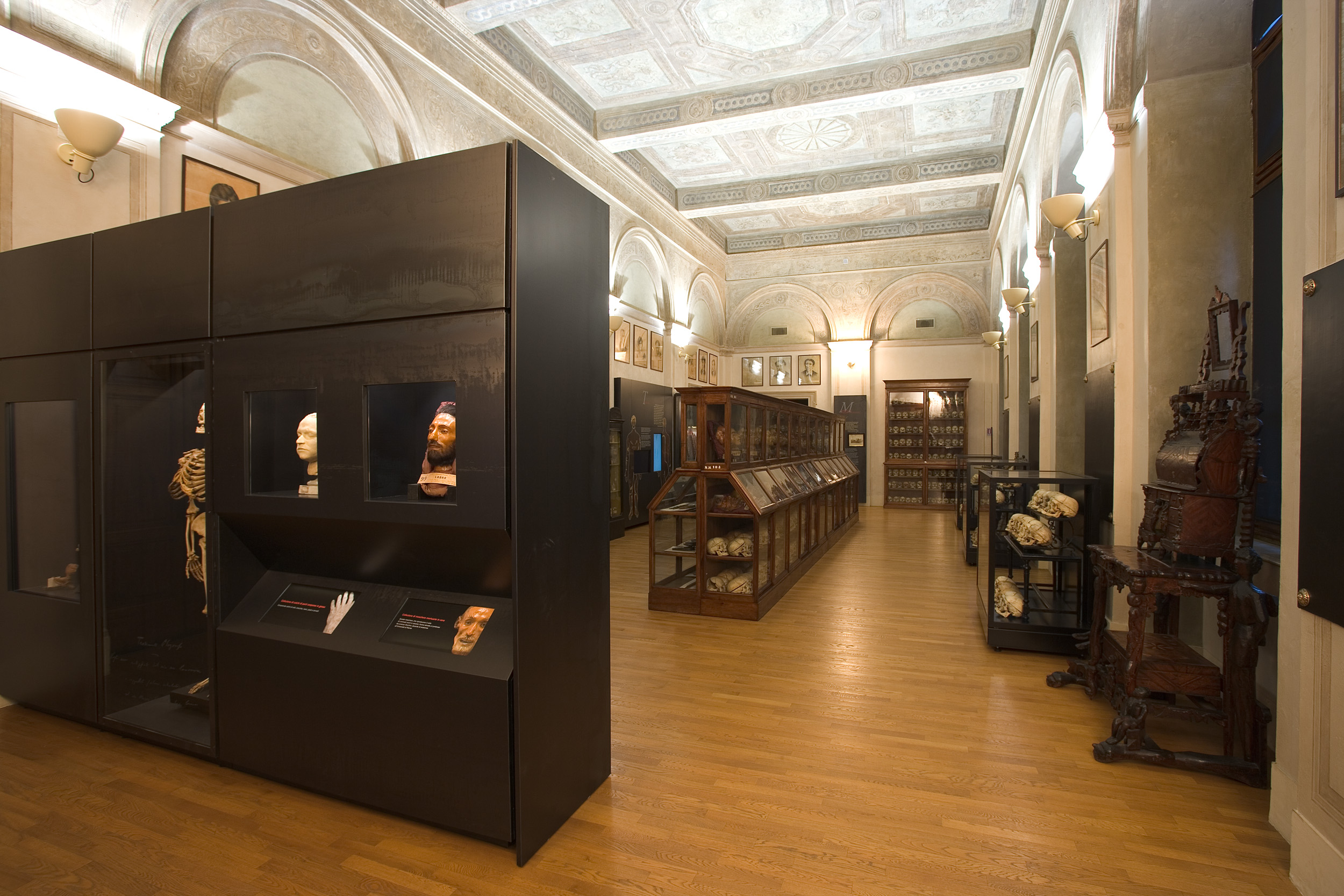
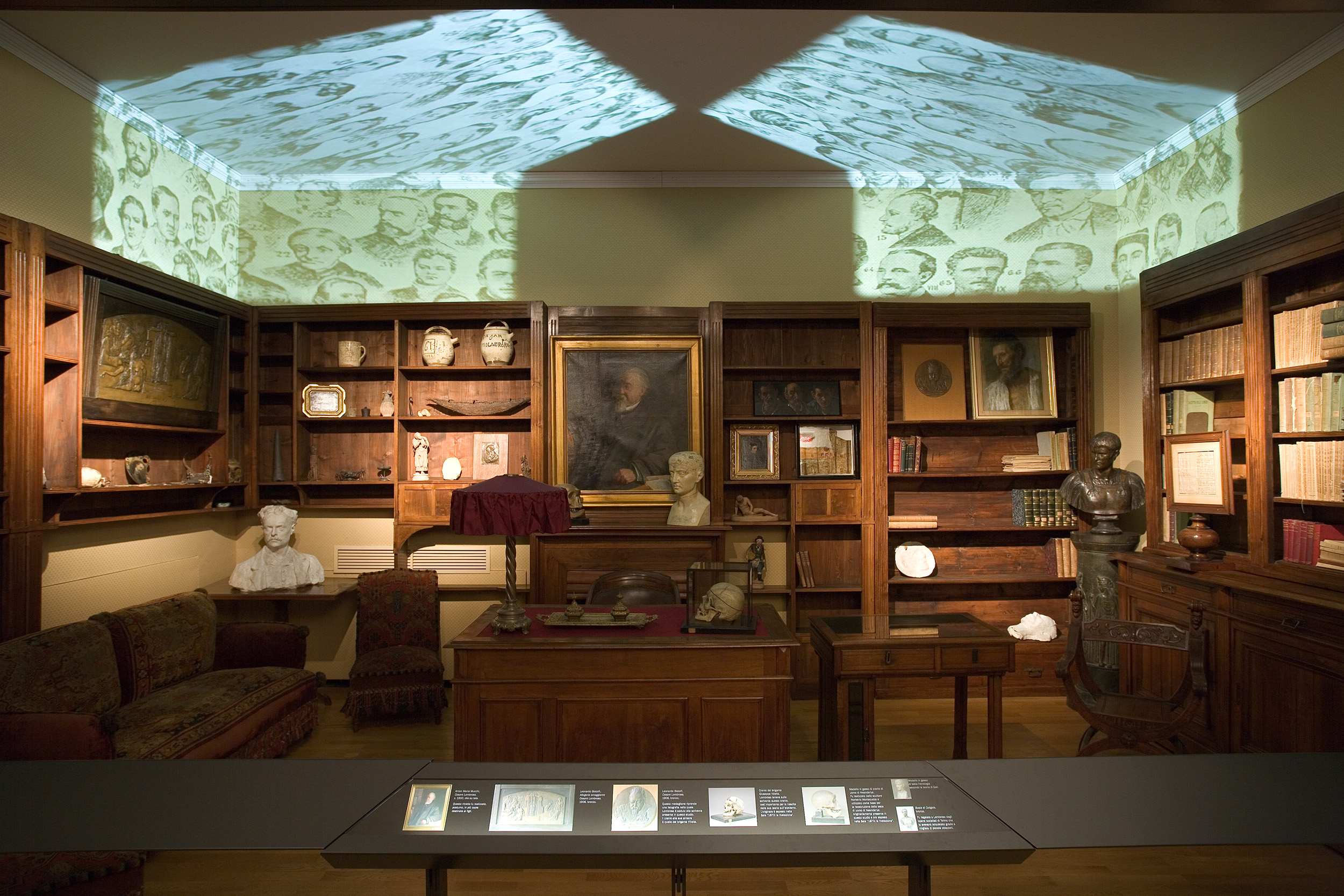
The exhibition is organised in eleven halls that alternate showcases, including those from Lombroso's time, and multimedia sections on scientific communication.
Collections
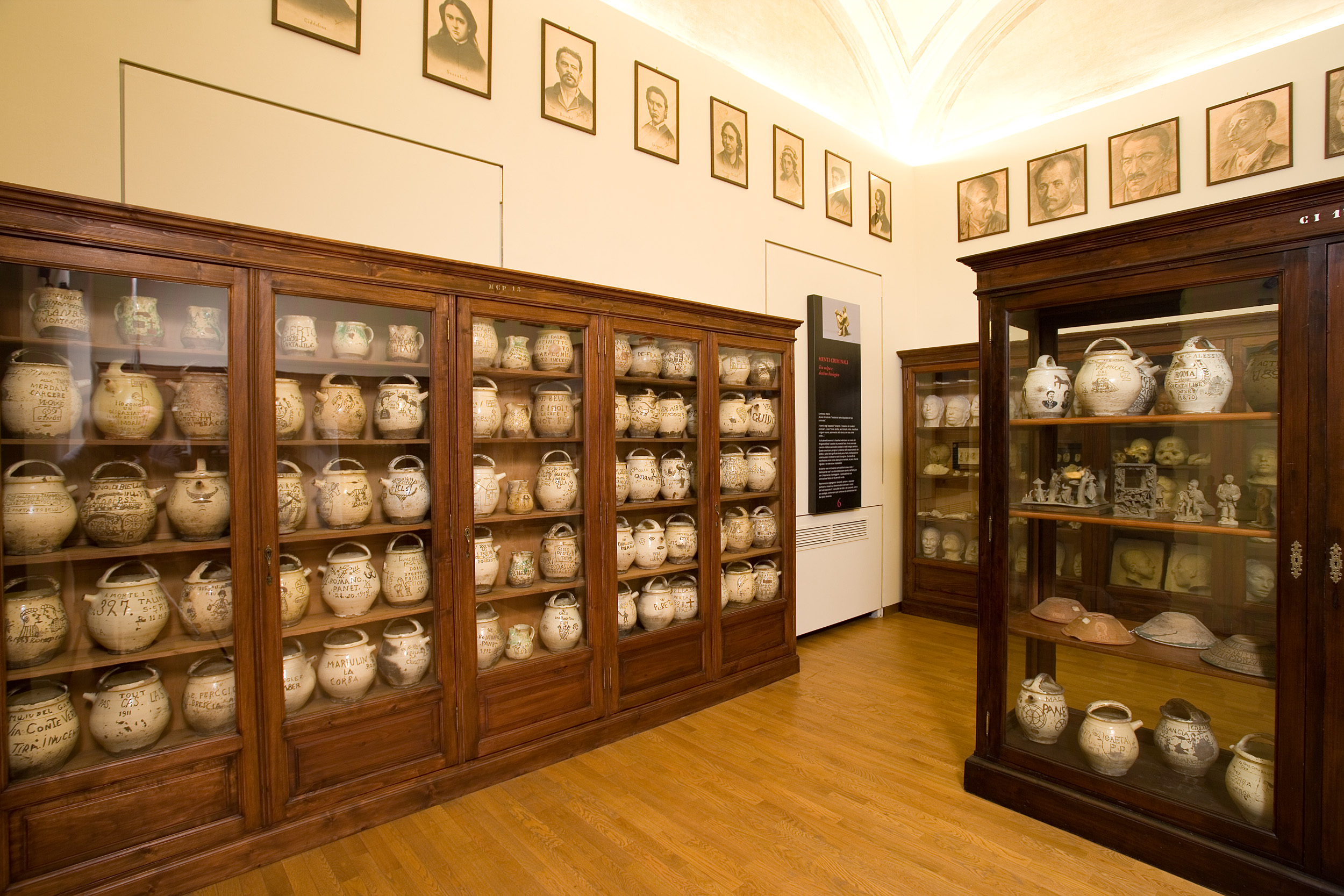
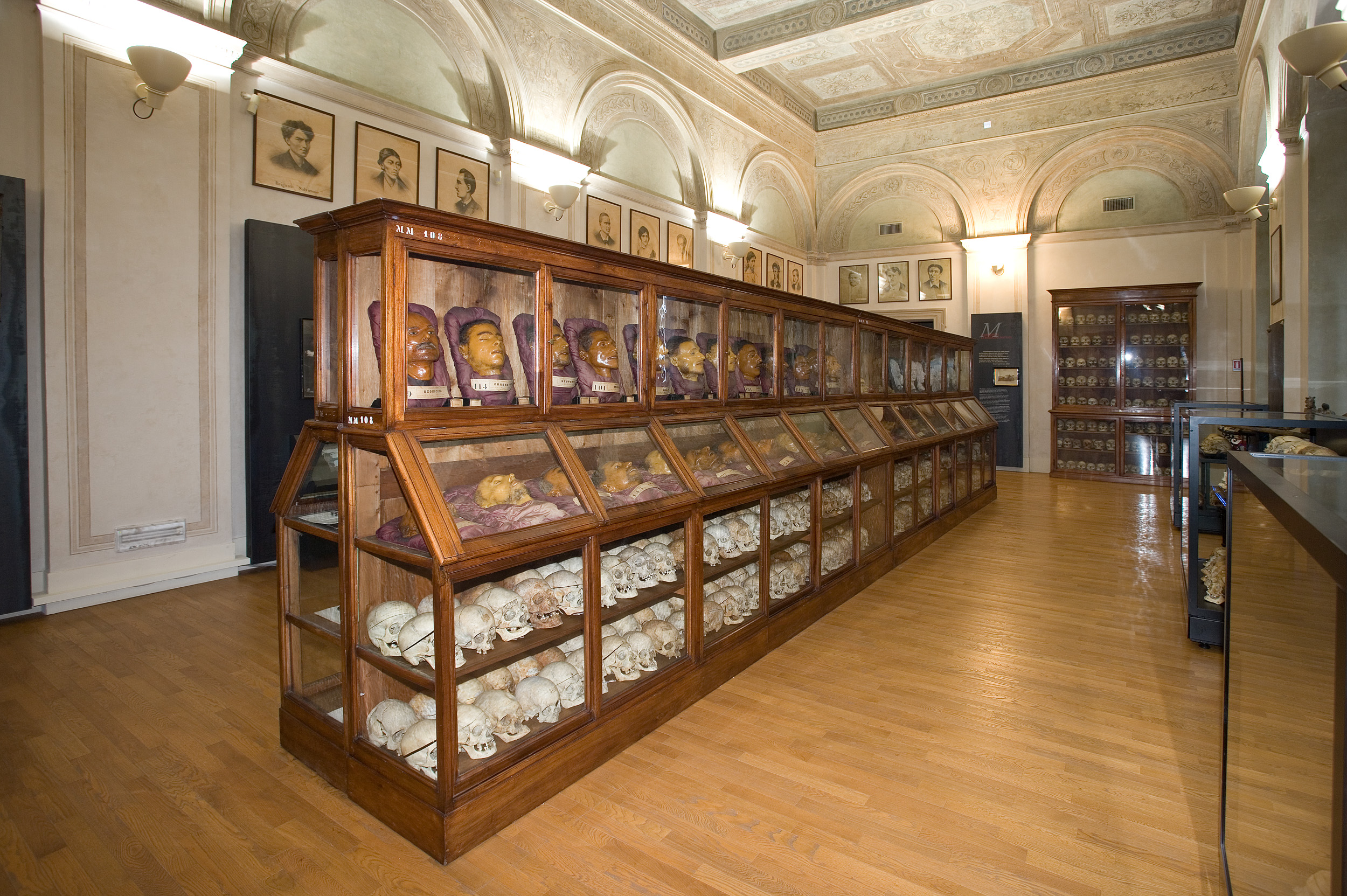
The Museum displays the collections mainly gathered by Cesare Lombroso as part of his studies in the second half of the 19th and the early 20th century.
They include:
- anatomical preparations;
- drawings;
- photographs;
- evidence of crime;
- writings;
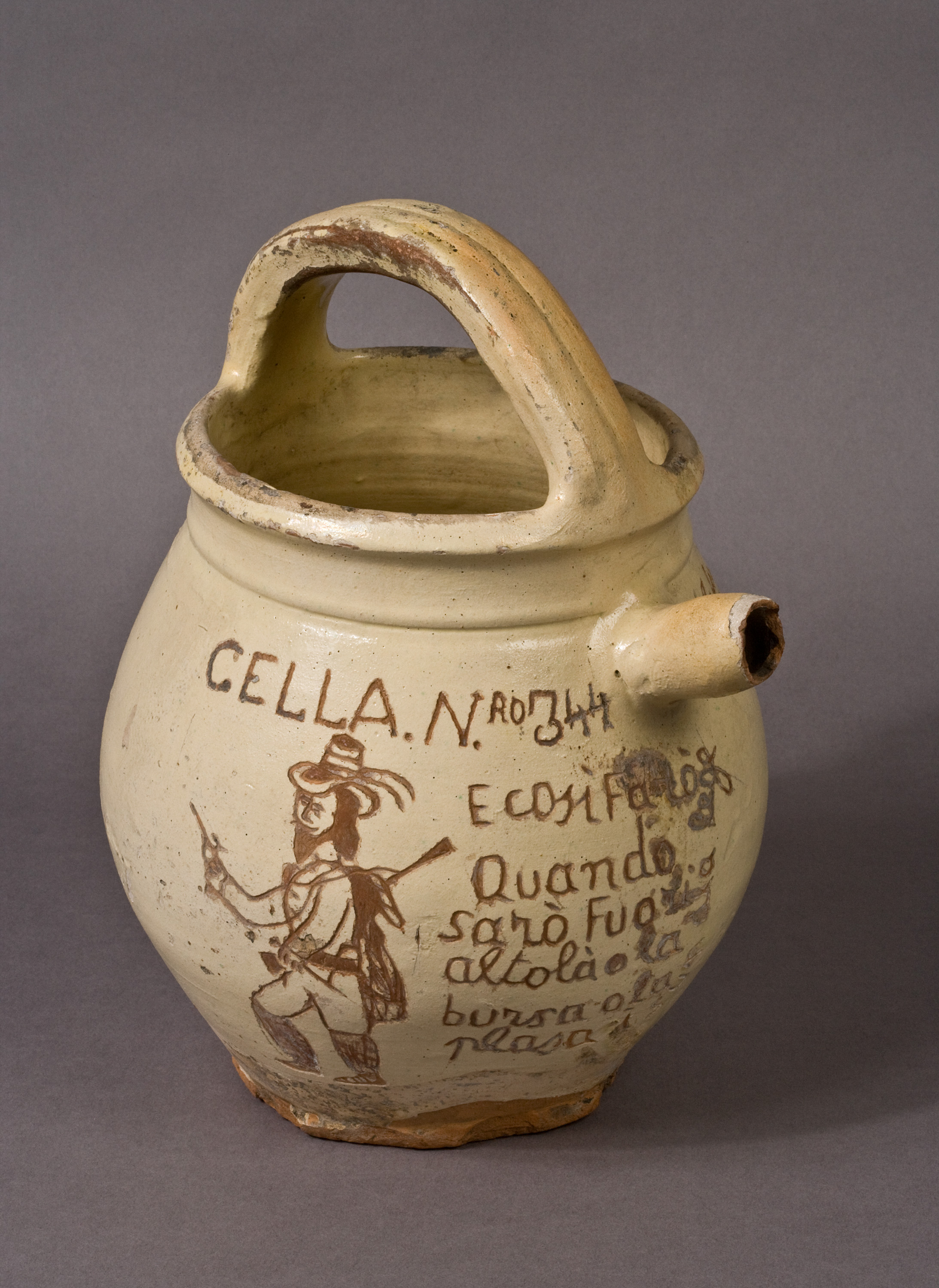
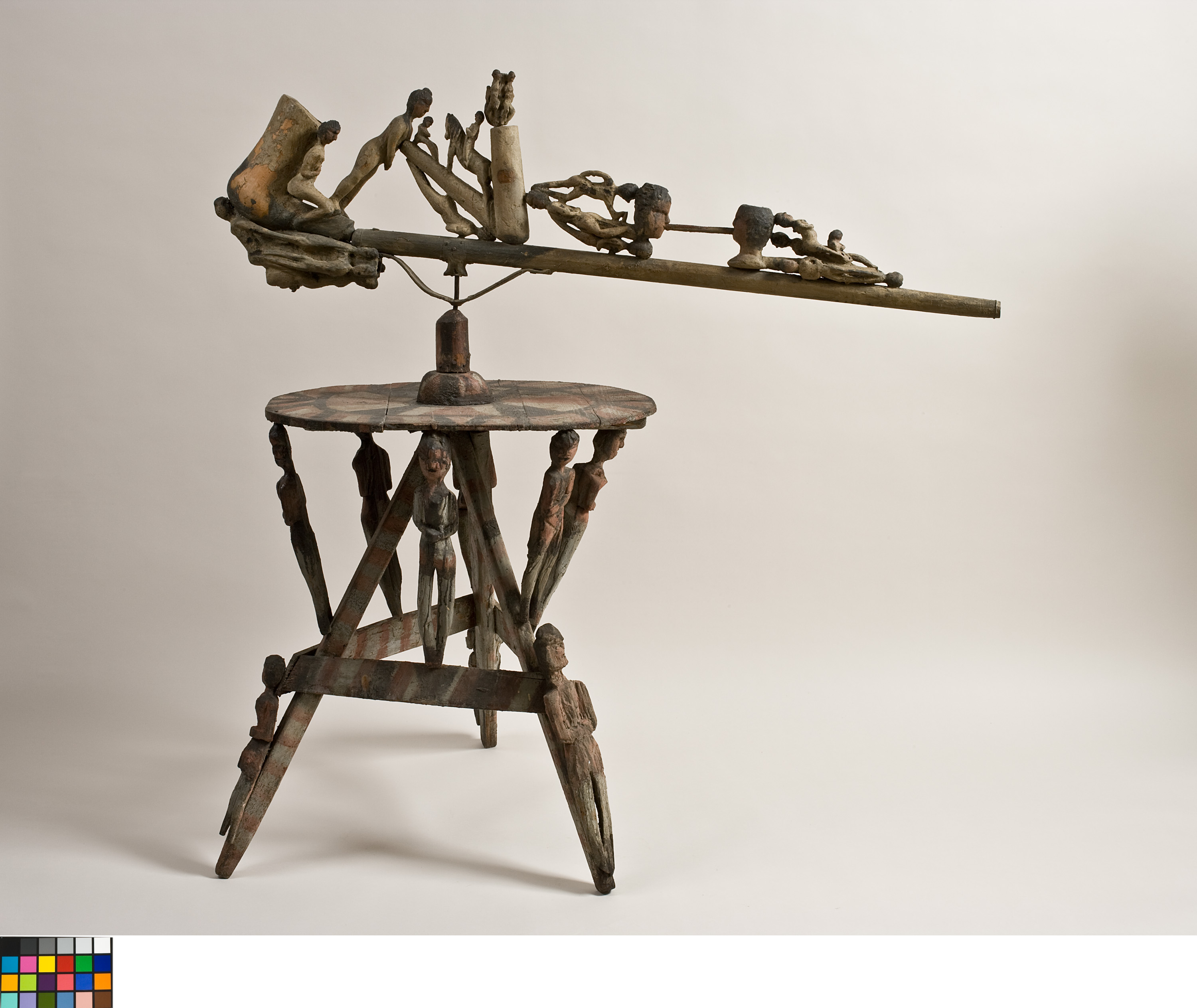
- handicraft and works of arts by mental institutions inmates and inmates.
Archive
The Museum holds a comprehensive historical archive that can be consulted by prior appointment.
Over 2,600 letters, that Lombroso exchanged with a number of correspondents, can be consulted online at the #LombrosoProject portal.
Activities
The Museum provides:
- educational activities;
- events;
- conferences;
- concerts;
- theatrical performances;
- book presentations.
Virtual tours, videos and webinars
Gallery
How many things can one learn about the natural world? Find it all out at the Regional Museum of Natural Sciences!