Civic Museum of Natural History, Carmagnola
Overview
The Civic Museum of Natural History was established in 1973 by joining some of the naturalistic collections belonging to the Municipality of Carmagnola and private ones donated to the Municipality.
The exhibition route consists of two halls:
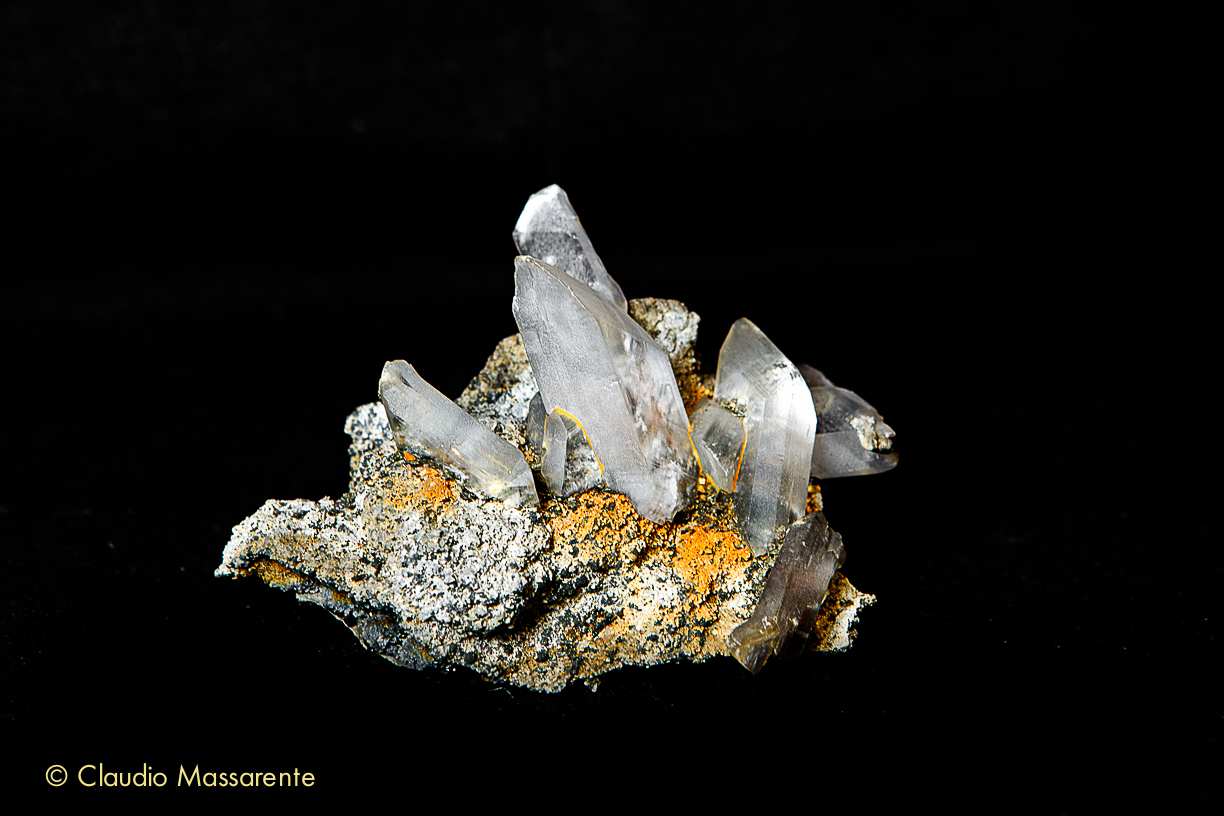
- one mainly dedicated to the mineral collection;
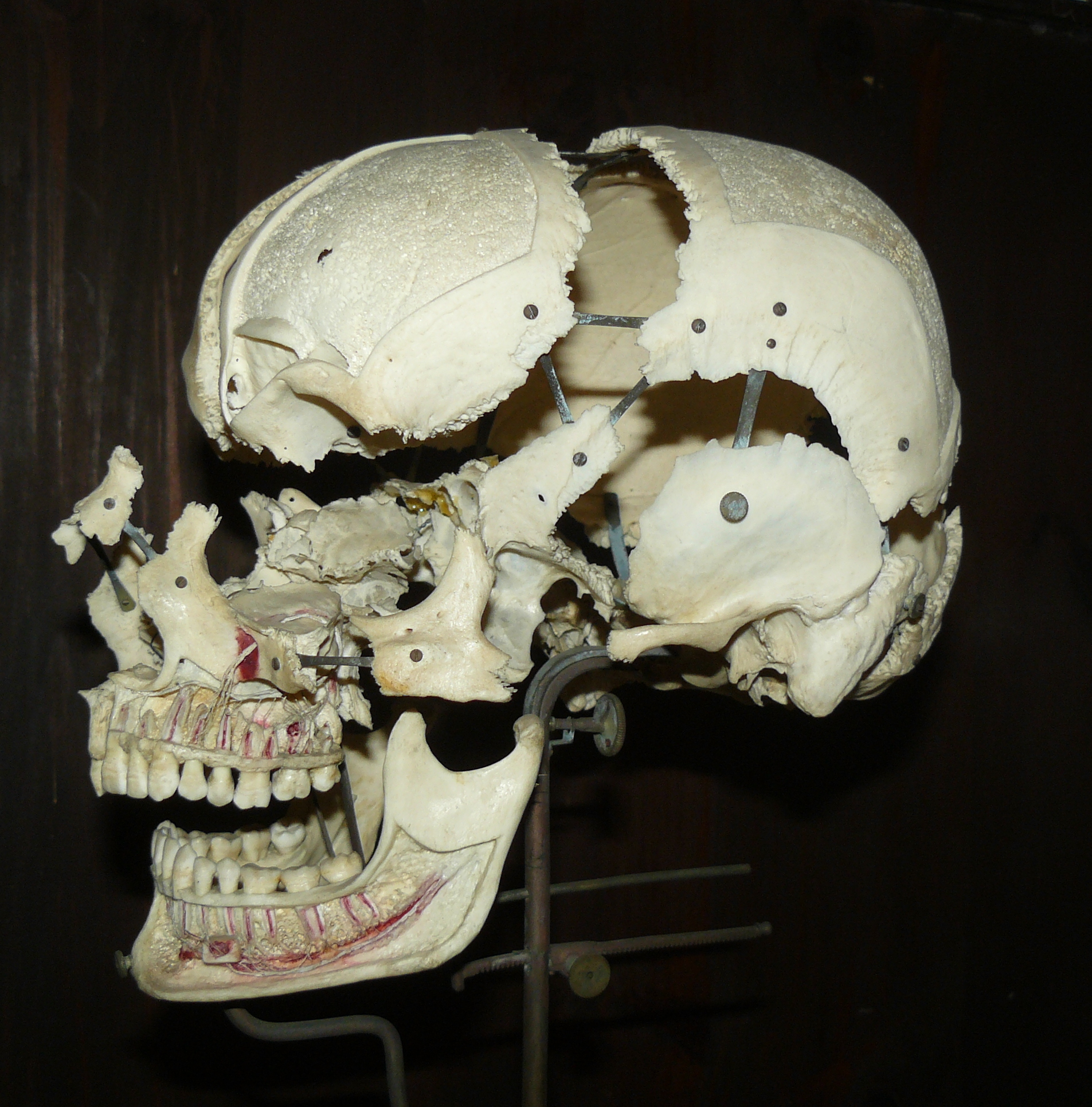
- the other dedicated to vertebrates.
Plenty of space is given to dioramas, representing some of the natural environments of the Carmagnola and regional territory.
The number of scientific finds and collections is constantly being increased by new specimens brought in by:
- museum curators;
- affiliated researchers;
- donations.
The Museum is the headquarters of two regional groups of nature enthusiasts:
- the F.A. Bonelli Piedmontese Group for Ornithological Studies (GPSO);
- the Piedmontese Nature Association (A.N.P.).
The museum is housed at Cascina Vigna, a traditional Piedmontese farmstead dating back to the first decades of the 18th century.
It is located within the Cascina Vigna Park, a roughly 80,000 square metres public park not far from the town centre.
No architectural barriers.
Collections
The Collections, constantly being increased, are:
- Botany;
- Entomology;
- Ornithology;
- Herpetology;
- Mineralogy;
- Palaeontology;
- Theriology;
- Ichthyology.
The Museum houses typical finds, such as:
- several taxa of invertebrates, notably buprestid beetles, an insect family spread worldwide, with over 15,000 species;
- two vertebrates:
- Salamander lanzai, an amphibian endemic to the Monviso group;
- Orthrias brandti banarescui, a subspecies of stone loach, a freshwater fish from northern Turkey.
Type: particular specimen, or in some cases a group of specimens, of an organism to which the scientific name of that organism is formally associated.
Taxa: systematic categories corresponding to ordered groupings of living beings.
Endemic: organism exclusive to a certain territory, even a quite restricted one.
Activities
The Museum provides:
- guided tours for students;
- educational and research activities, with fieldwork investigations and study of the scientific collections by students, researchers and naturalist enthusiasts;
- international cooperation in nature preservation projects, such as faunistic, ecological, biogeographical and taxonomic surveys;
- naturalistic consultancies for public bodies;
- collaborations with universities on research and dissertations;
- collaborations with other natural history museums.
The Museum is a co-founders of the Associazione Naturalistica Piemontese (Piedmontese Society of Naturalists), in 1980, and co-publisher, in partnership with the civic museums of Bra and Alba, of the Piedmont Natural History Journal.
Gallery



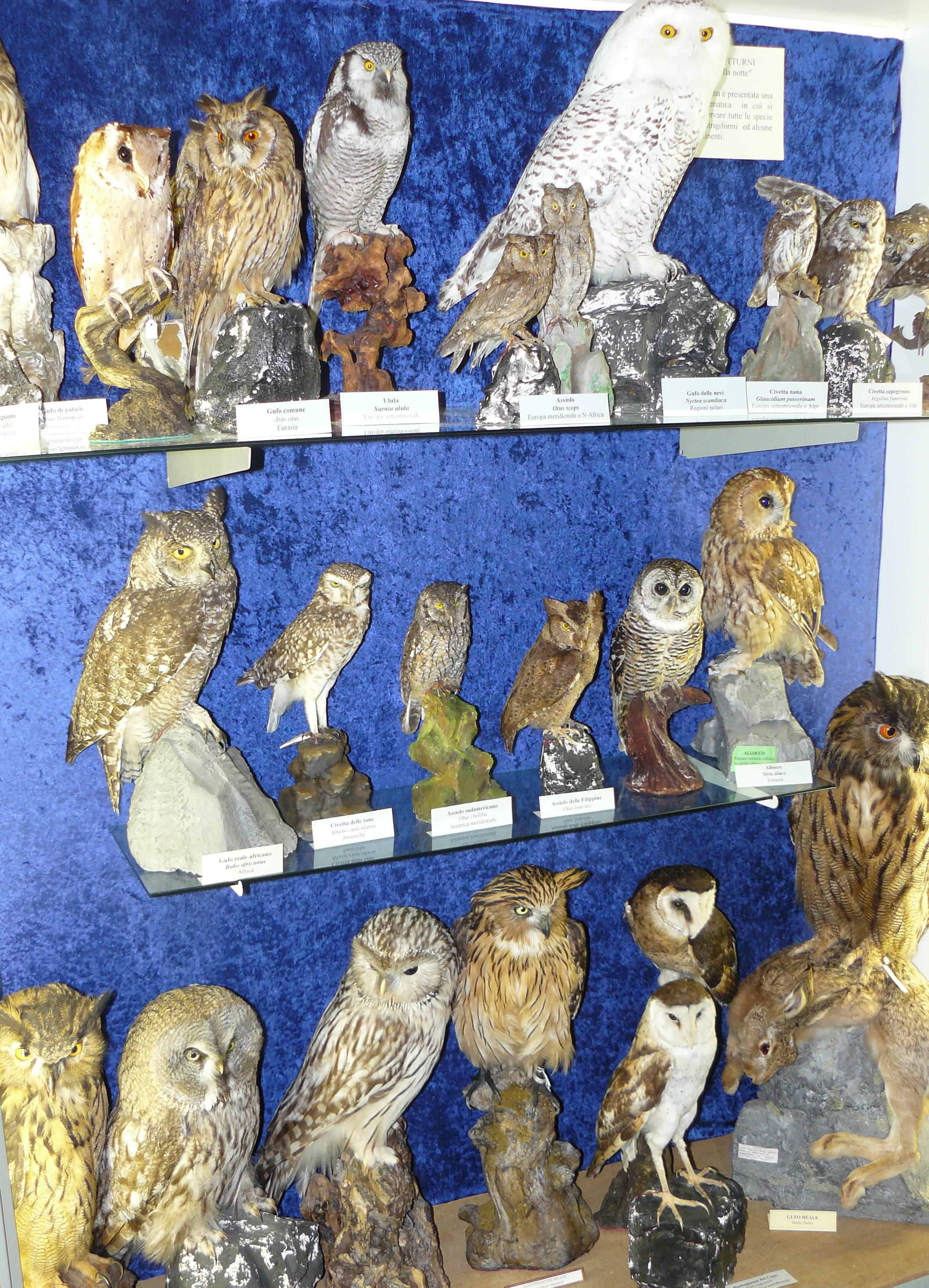
The mineral and rock showcase
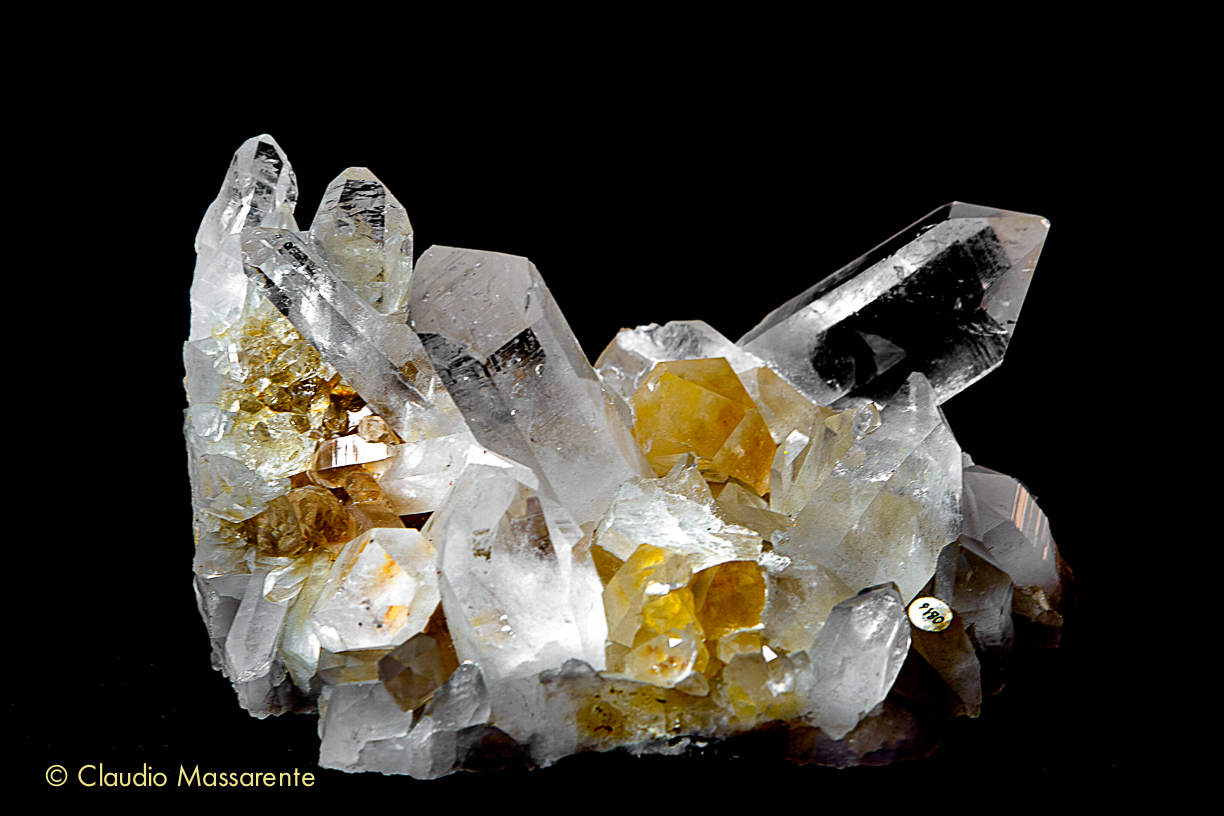
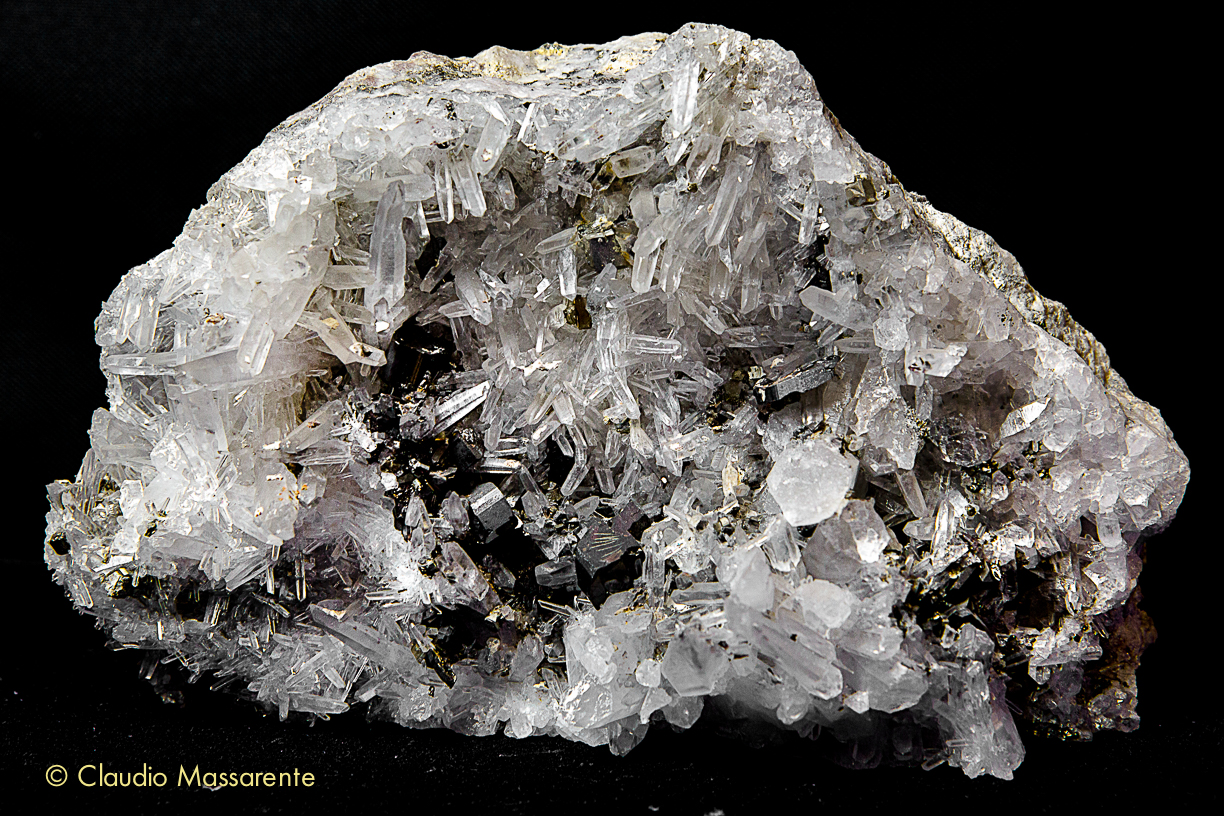
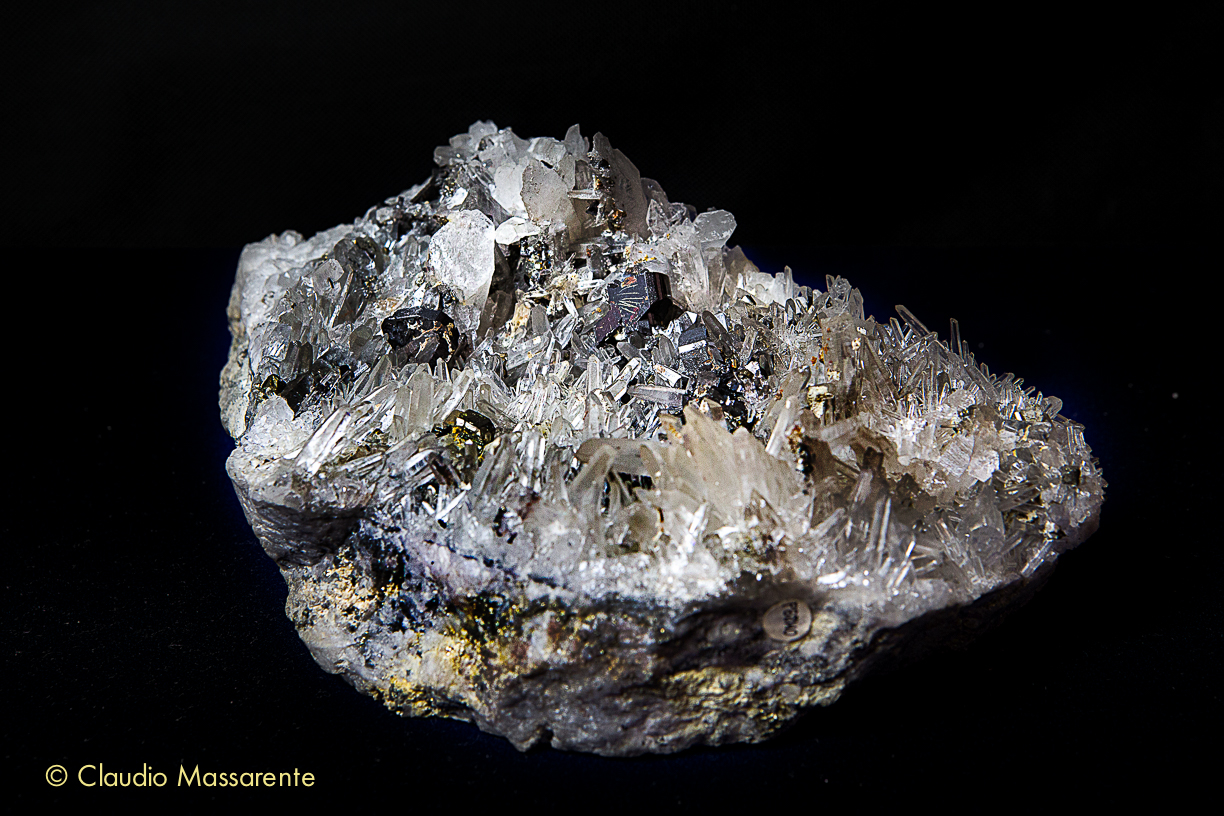
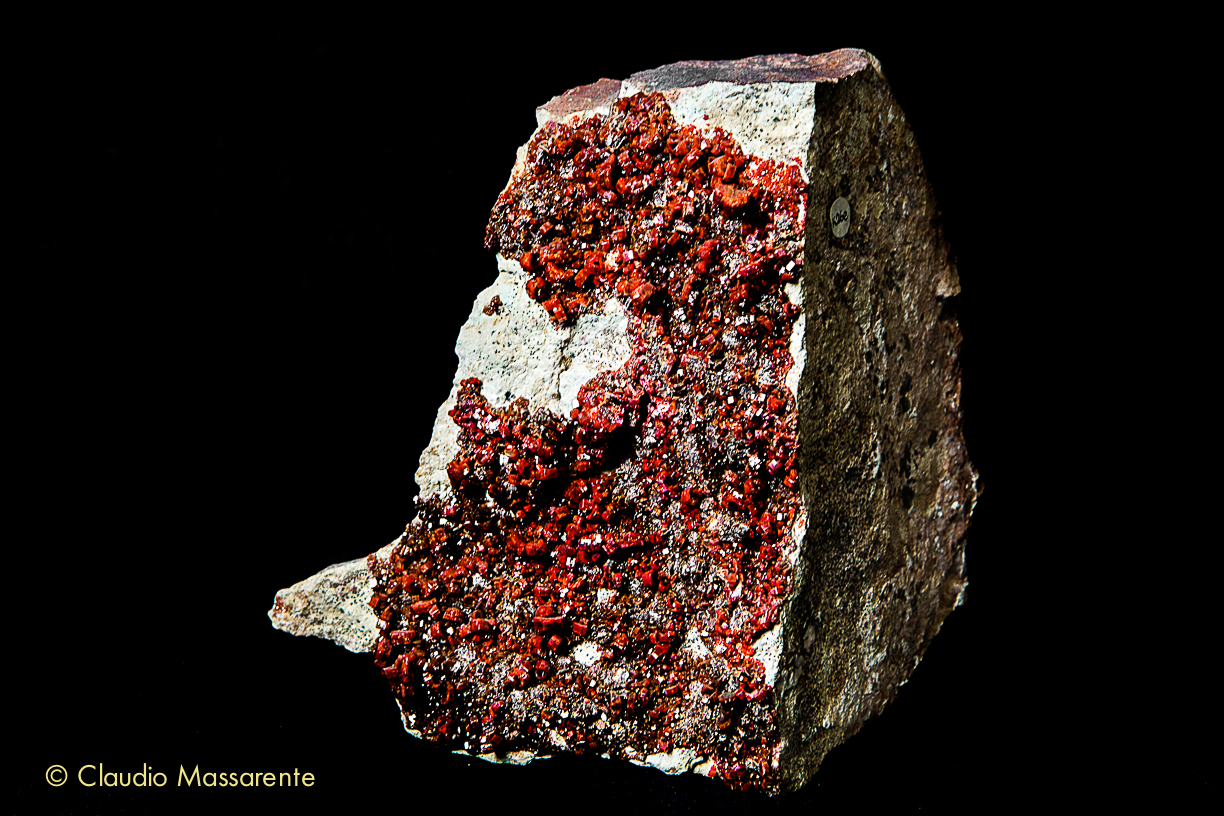
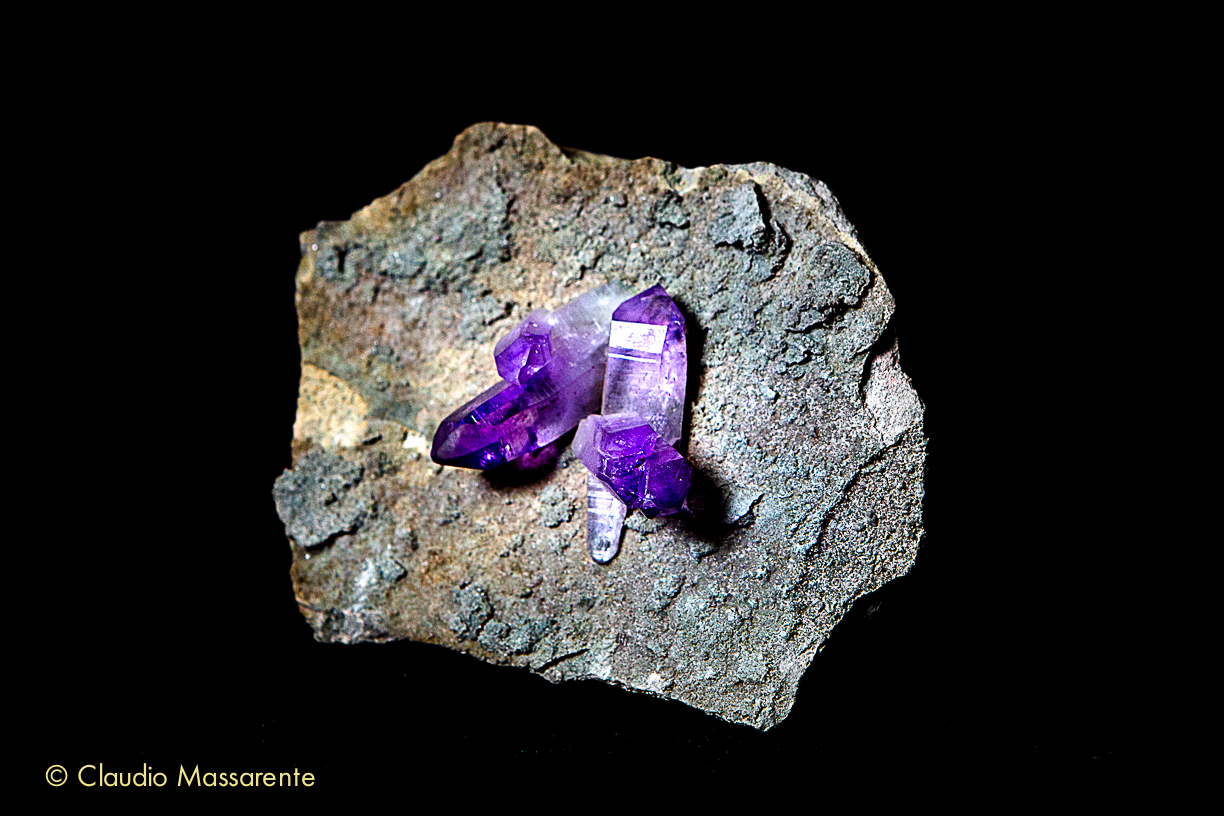
How many things can one learn about the natural world? Find it all out at the Regional Museum of Natural Sciences!