Craveri Civic Museum of Natural History
Overview
The Craveri Civic Museum of Natural History was founded, as a private museum, in 1836.
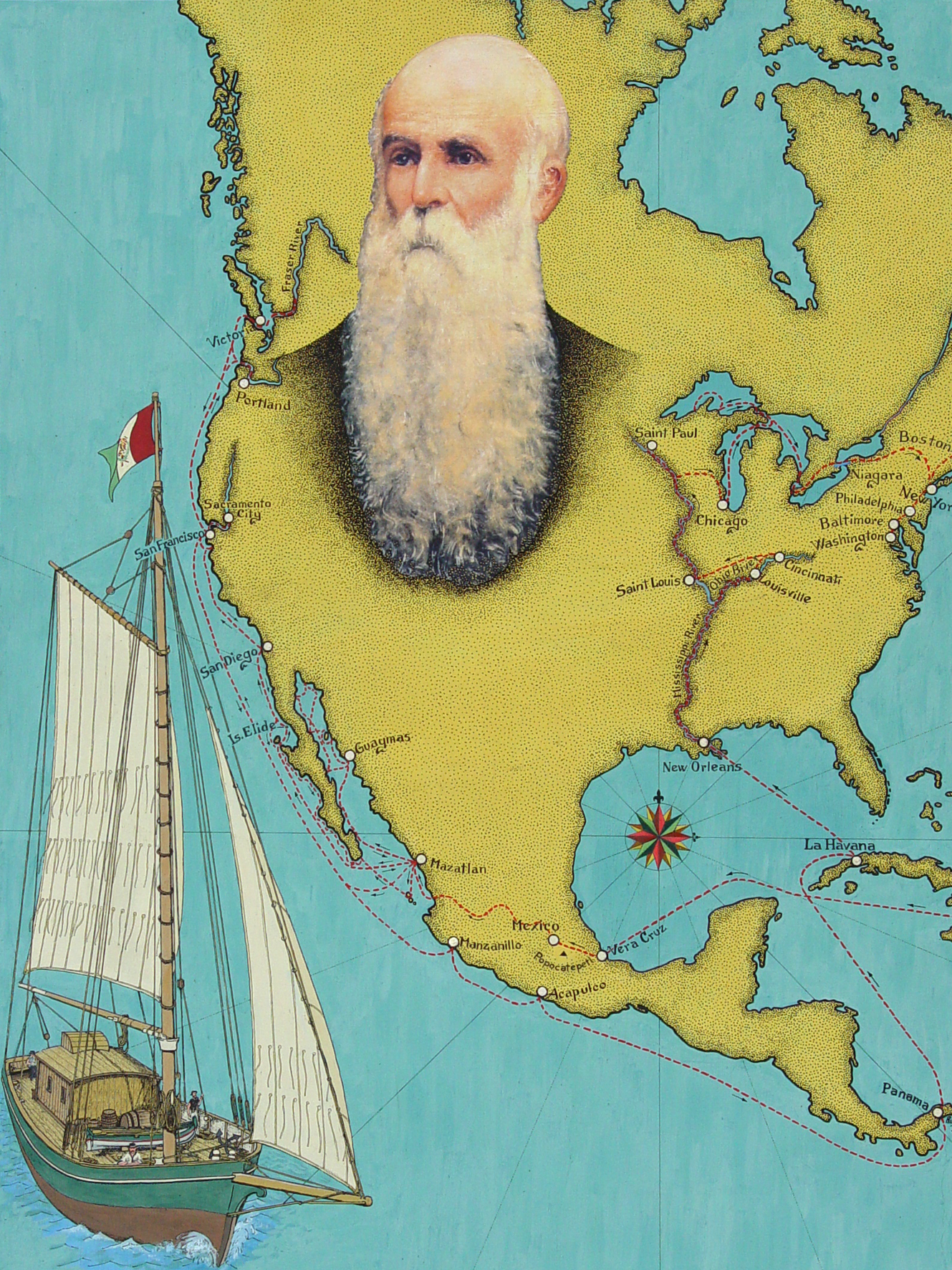
Angelo Craveri's collections were enriched by his sons Federico and Ettore in later years.
Federico Craveri's naturalistic collections from the New World, gathered during his exploration journeys from 1840 to 1859, are highly significant.
The Museum was donated to the City of Bra by his heirs in 1890.
It is made up of eleven halls over three floors.
The ground floor houses:
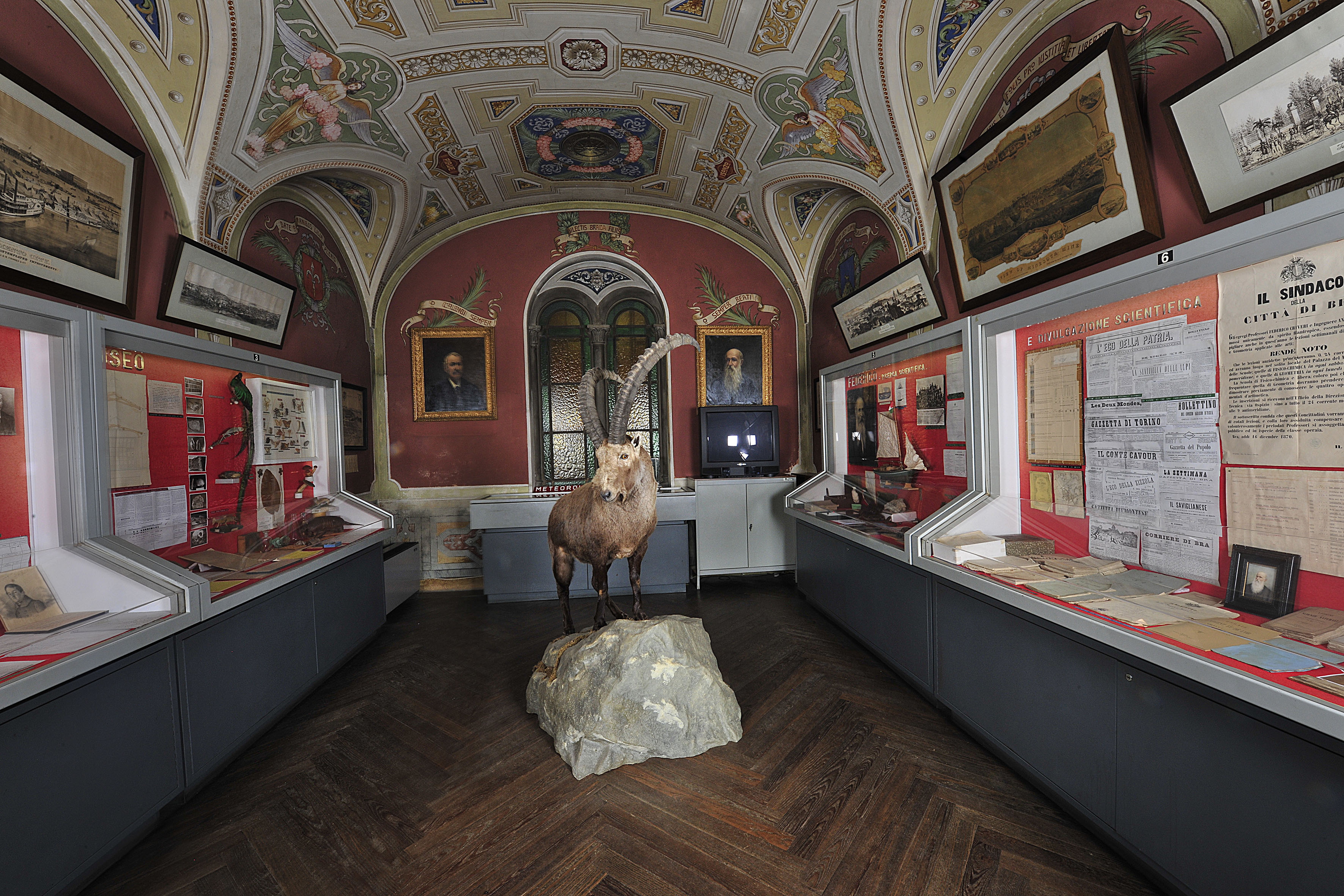
- the Craveri Hall, dedicated to its founders;
- the Earth Sciences Hall;
- the Local Geo-palaeontology Hall.
The first floor is dedicated to Zoology.
Trophies of African ungulates are placed on the staircase.
On the second floor one finds:
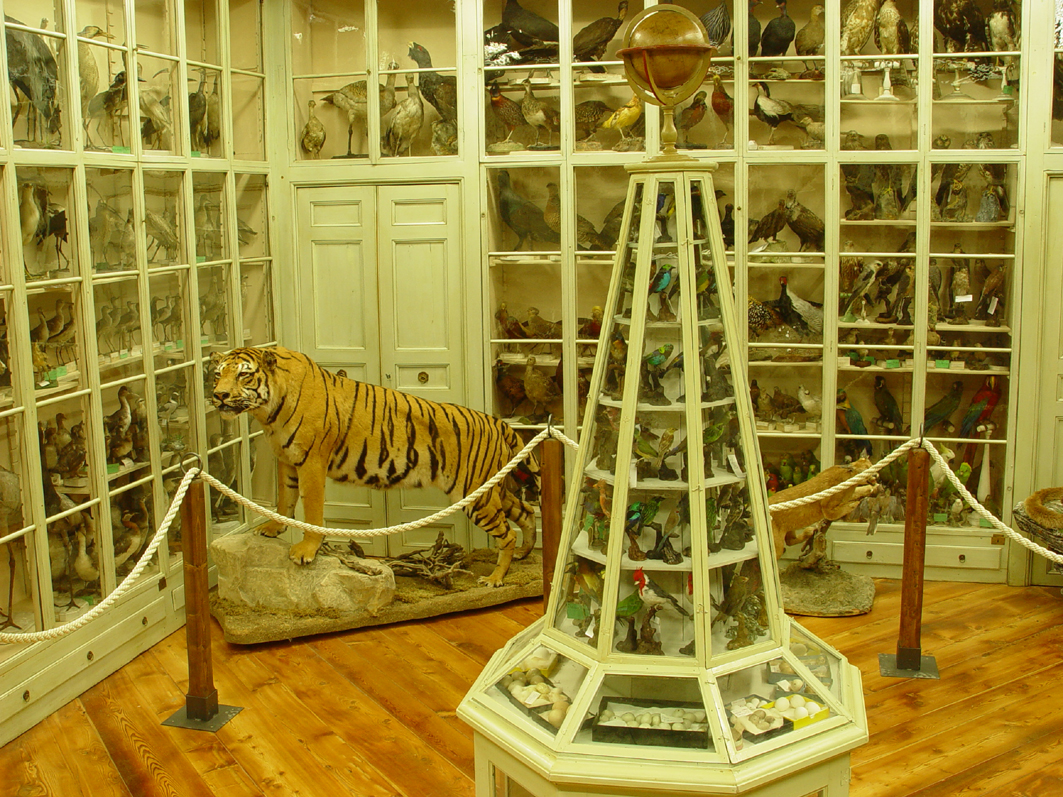
- the Ancient Ornithological Collections Hall;
- the Hall dedicated to the prehistory of the Ténéré;
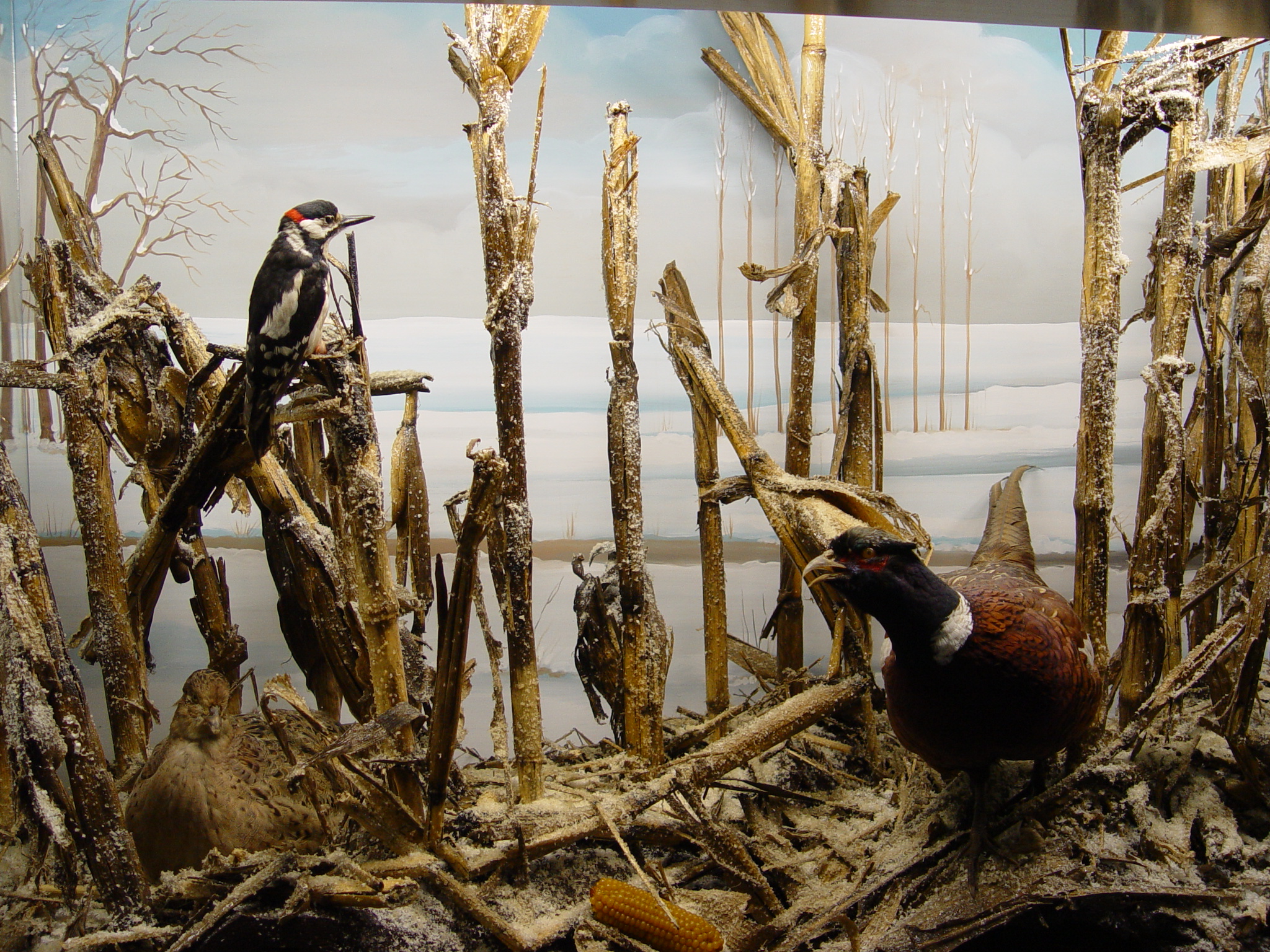
- the Hall of dioramas dedicated to the Bra habitats.
The museum’s premises are fitted out with:
- a large garden for events and demonstrations;
- an educational garden for organic farming projects with schools;
- a greenhouse with a display of succulents.
Duration of the visit: about 90 minutes.
Collections
Among the most significant finds:
- a fossil skull of a sirenian Metaxitherium subapenninum, which lived in the Mediterranean during the Pliocene, found near Bra;
- a fossil of a buzzard, dating back to the Messinian Age. It represents the oldest evidence worldwide;
- an imperial woodpecker from Mexico. It is believed to be extinct
- a Craveri's murrelet (Synthliboramphus craveri), a bird from Lower California first described by Federico Craveri;
- a rich collection of hummingbirds.
Only a small part of the collections acquired from its foundation to the present day is exhibited in the Museum.
These include minerals, rocks, fossils, flora and fauna specimens and Saharan prehistoric artefacts.
Library
The scientific library is open to the public for loan and consultation.
It is primarily intended for researchers and university students.
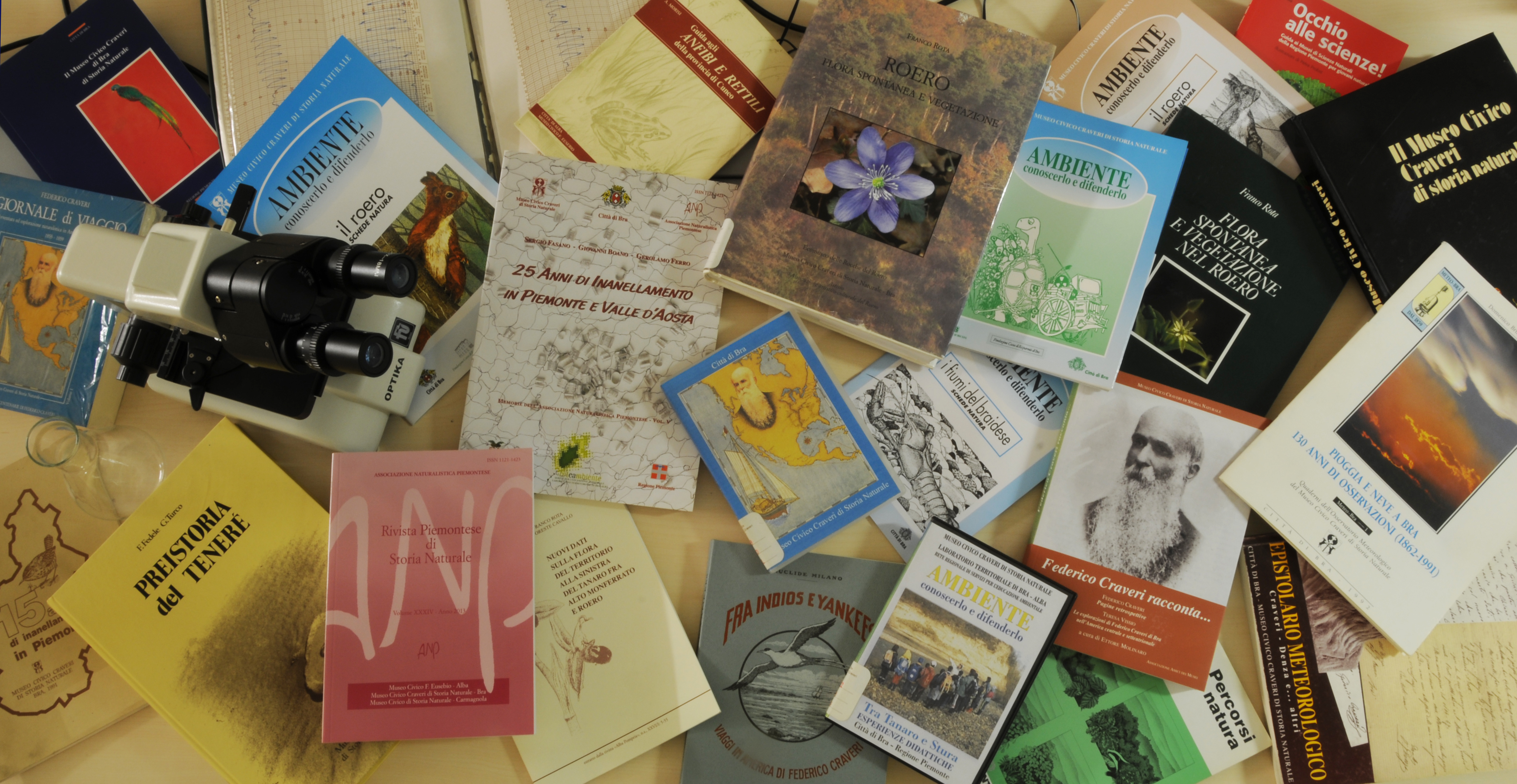
It holds approximately 7,000 monographs, a large number of educational journals, digitised publications and some 20,000 scientific abstracts and pamphlets.
Videos and a photo archive are also available.
Activities
The Museum provides:
- Programmes for schools.
The Museum provides thematic lessons on disciplines related to the natural science and guided tours for students of all school grades, tailored to their age group.
It has a fully equipped ecology lab, with biological and stereo microscopes for educational experiences in biology, geo-palaeontology and chemistry. - Activities for families.
- Activities for adults.
- Accessibility and inclusion programmes.
- Environment: how to know it to safeguard it more effectively.
It is an environmental education and natural science teaching project, devised by the Museum and intended for schoolchildren of the Bra area.
The part of the school programme dedicated to ornithology, botany, geo-palaeontology and hydrobiology, is carried out as a fieldwork, with hands-on experiences, being geared towards the exploration of the local environment. - Bosco Crociato: a naturalistic educational trail.
It is managed by the museum; on-field experiences are carried out in order to get an insight to the Roero's flora and fauna. - Orto in condotta (wordplay in Italian: A grade of EIGHT in conduct indicates a poor level of pupil behaviour at school. Eight = Otto in Italian is a play-game with Orto = vegetable garden).
The project, with schoolchildren as direct beneficiaries, was launched in 2004 in partnerships between the Museum, Slow Food's Orti in Condotta and the primary schools of Bra. The aim was to set up a steady educational centre on organic horticulture.
Training courses are also offered for adults on: - proper organic cultivation;
- the creation of a steady group of horticulturist grandparents who help teachers and museum operators with horticultural activities.
- City of Bra's Urban Museum System.
A System aimed at improving the enjoyment and management of the town's cultural heritage, by integrating the environmental, social and economic resources of the area. - MuseInsieme (Together at the Museum)
As with other museums in Bra, by downloading the MuseInsieme application and scanning the QR codes scattered along the exhibition itinerary, users can have instant access to information about the halls and exhibits of the Museum and take part in an interactive game. - Meteorology.
Active since December 1859, the Museum's Weather Station is one of the leading ones in Italy in terms of the continuity of the data gathered.
Nowadays, the station is fully automated and provides real-time meteorological data directly to the local Civil Protection headquarters. - Piedmont Naturalistic Association.
The Craveri Museum is one of the founders, in 1980, of the PiemonteseNaturalistic Association (ANP) and co-publisher, together with the Carmagnola Natural History Museum and the Federico Eusebio Archaeological and Natural Science Museum in Alba, of the Rivista Piemontese di Storia Naturale (Piedmontese Journal of Natural History). - Museums' Friends.
Collaboration with the local cultural association Amici dei Musei (Museums' Friends), established in 1997 with the aim of promoting knowledge, protection and enhancement of Bra's cultural heritage through educational and dissemination activities.
Virtual tours, videos and webinars
Gallery
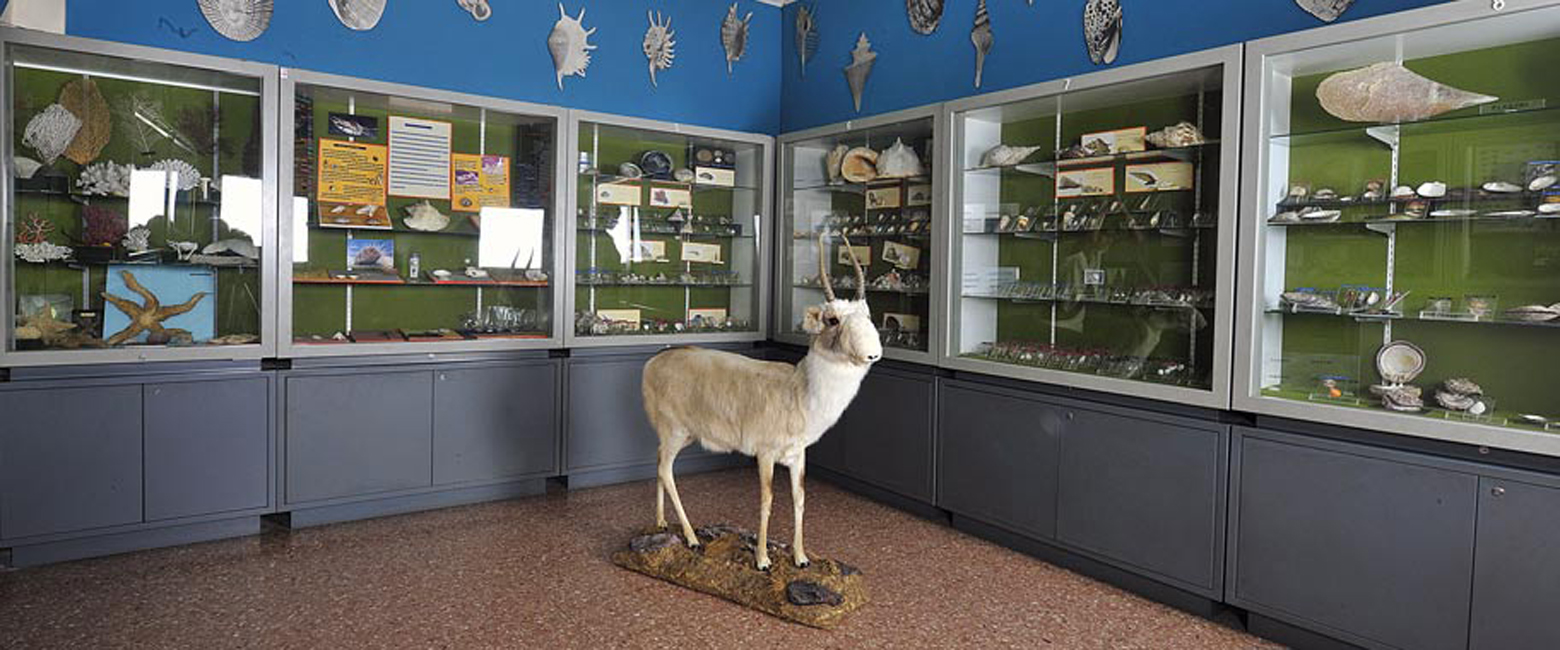
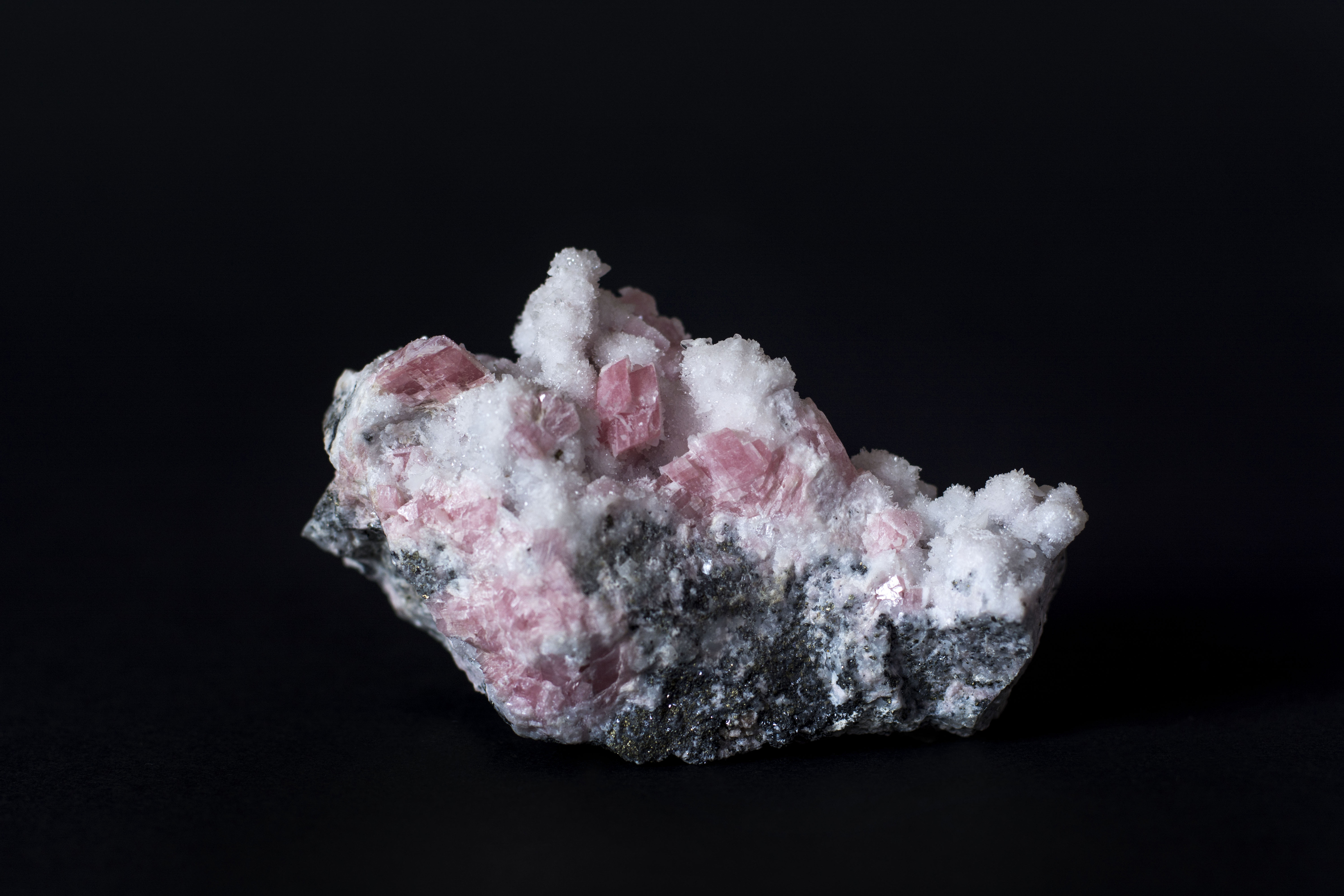
The mineral and rock showcase
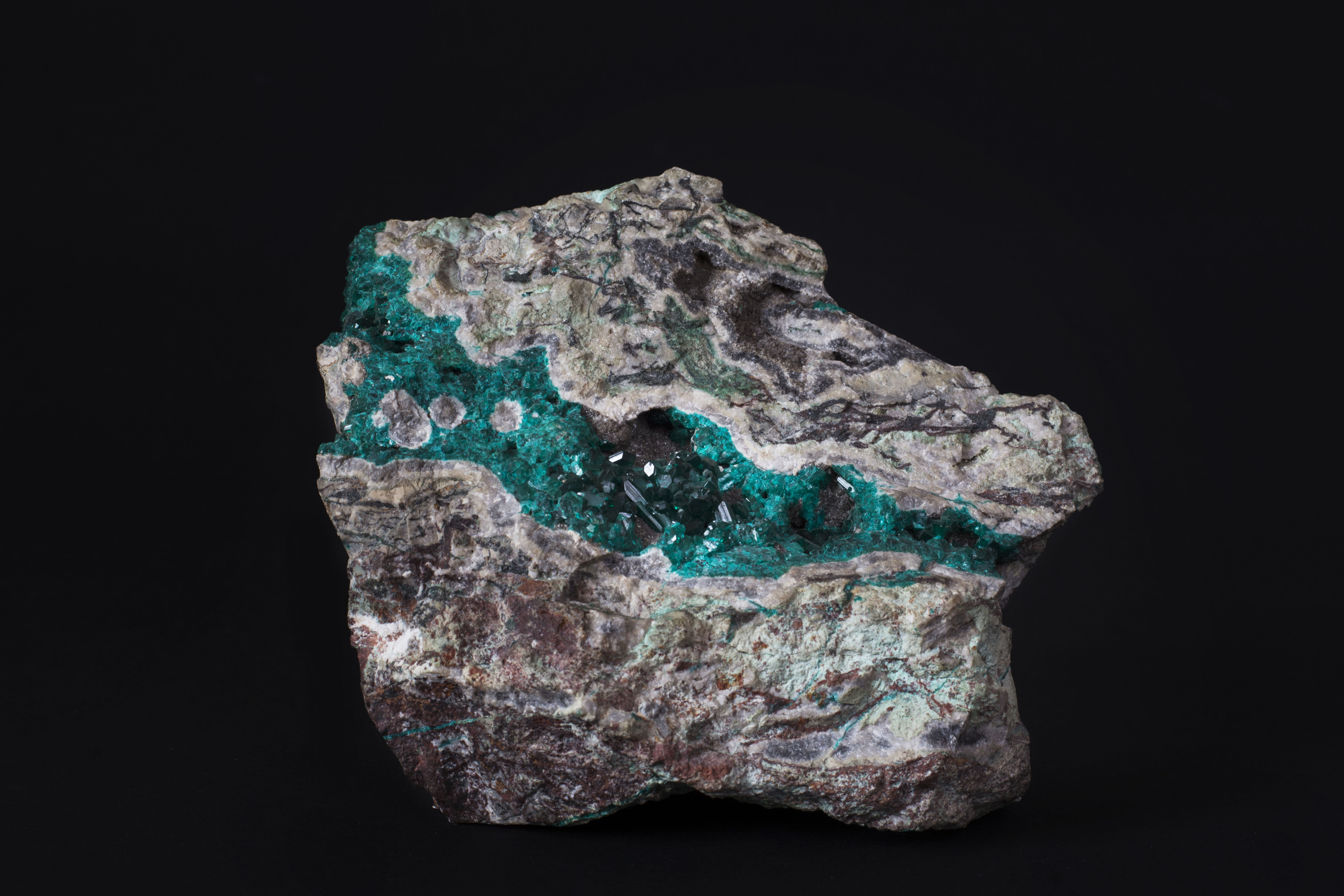
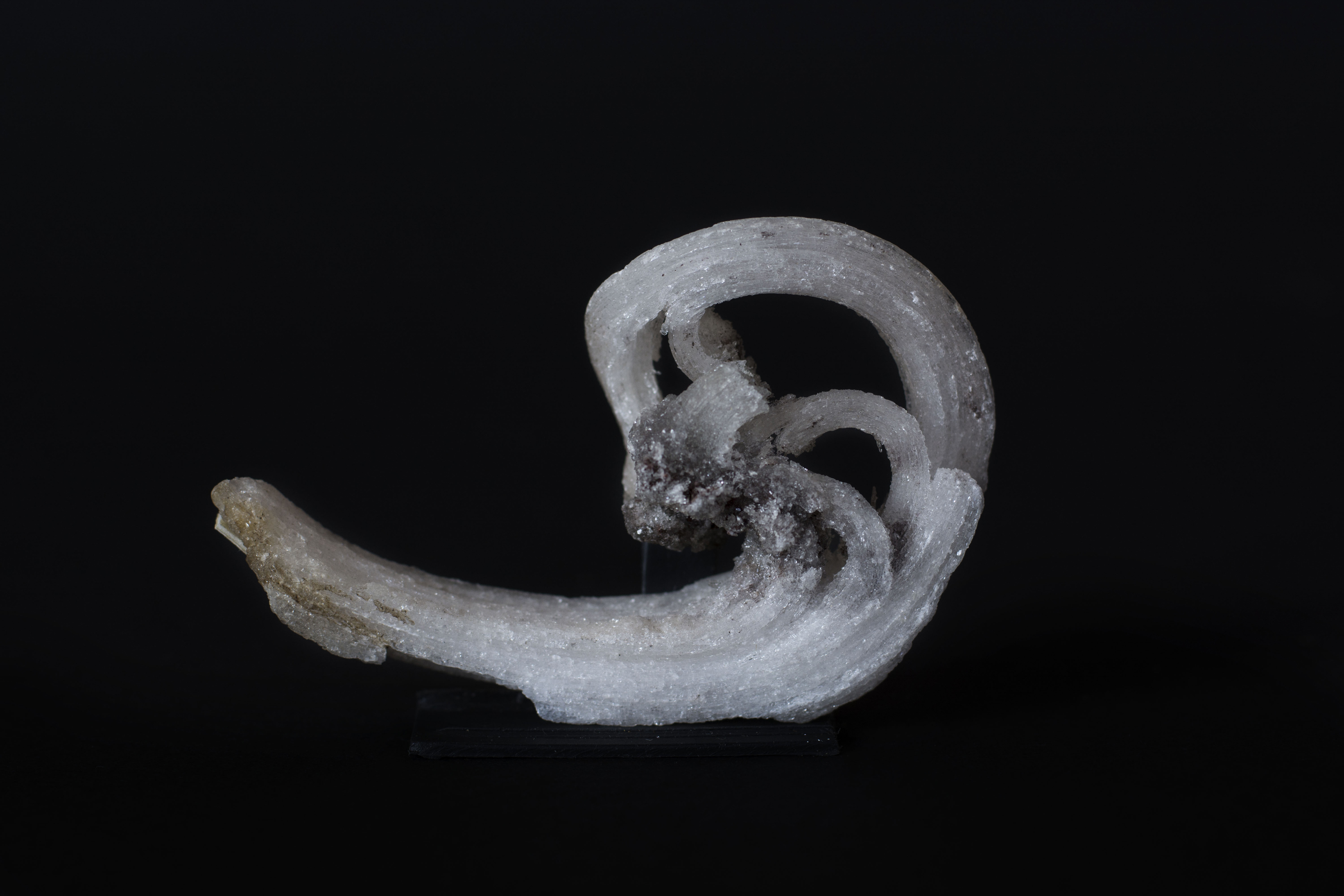
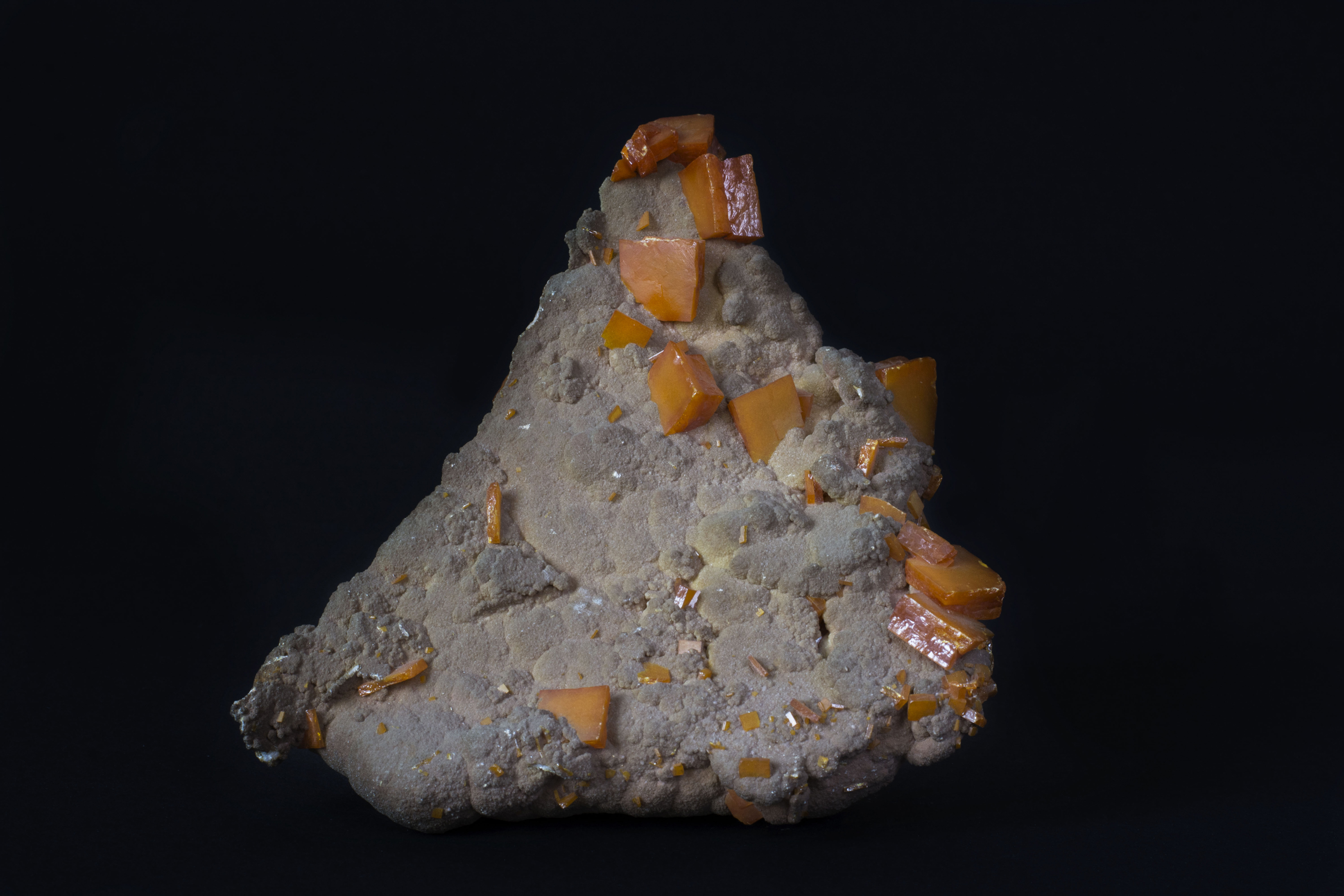
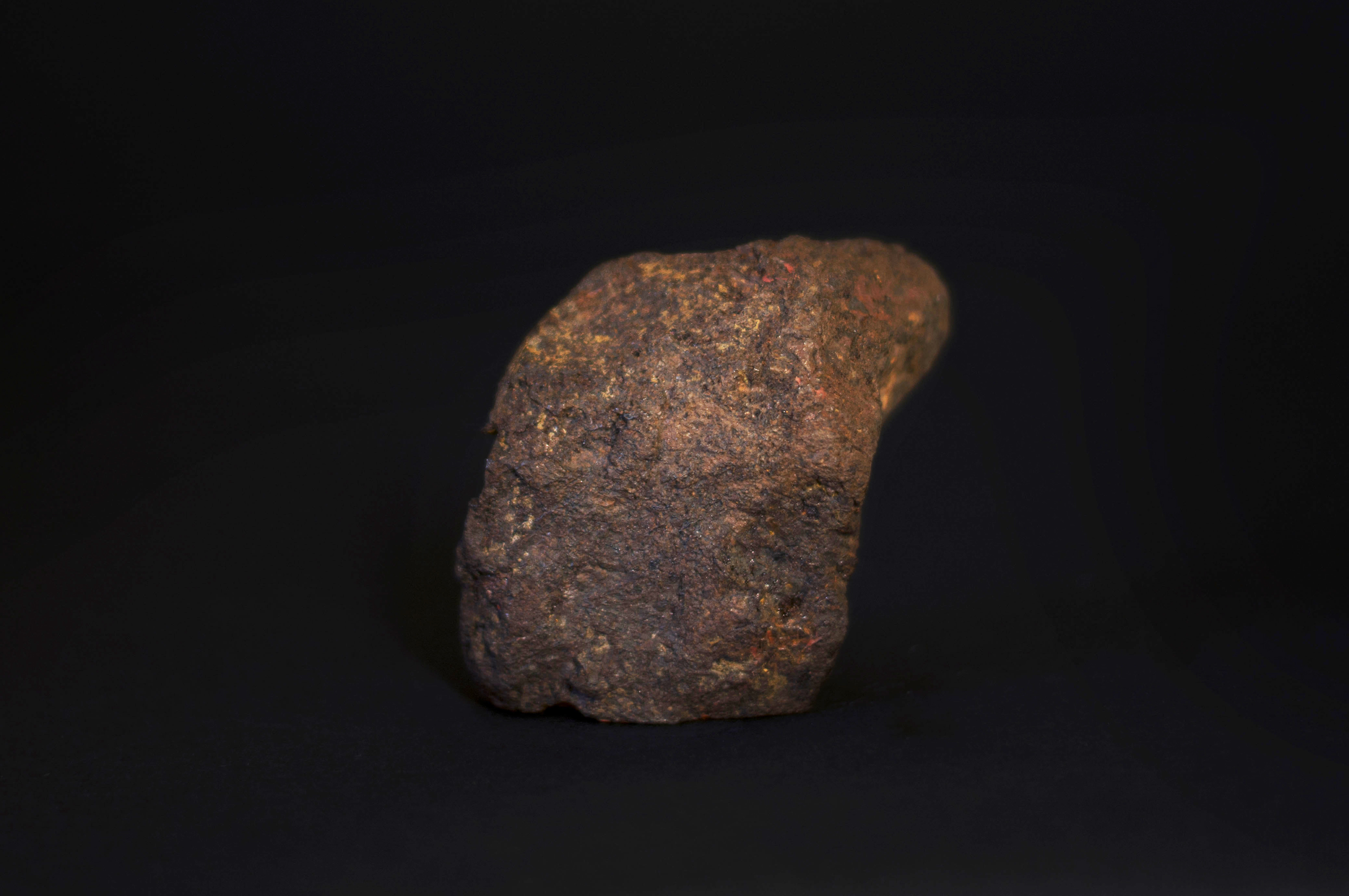
How many things can one learn about the natural world? Find it all out at the Regional Museum of Natural Sciences!