Don Bosco Museum of Natural History and Scientific Equipment and Instruments at Valsalice Salesian High School
Overview
The Valsalice Museum of Natural History is one of the oldest science museums in Turin.
Founded by Saint Giovanni Bosco in 1879 to serve as a scientific equipment for the Valsalice High School, it was refurbished in 1969 and named after its founder.
Research, exchanges, acquisitions and donations have being increased the number of finds and scientific collections over the years.
Duration of visit: approximately 2 hours.
No architectural barriers.
Collections
The museum trail runs over two floors of the Institute main building.
It includes:
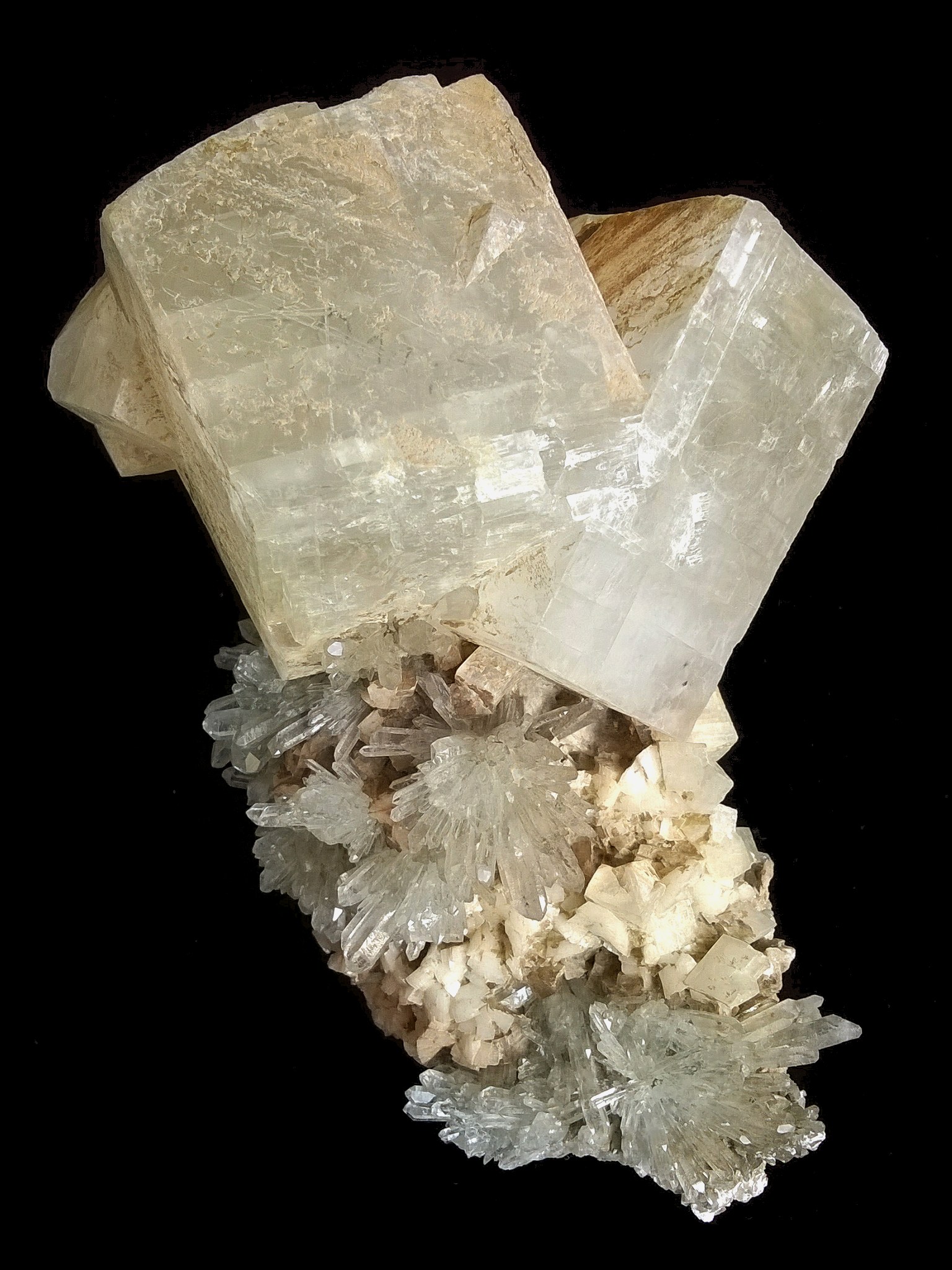
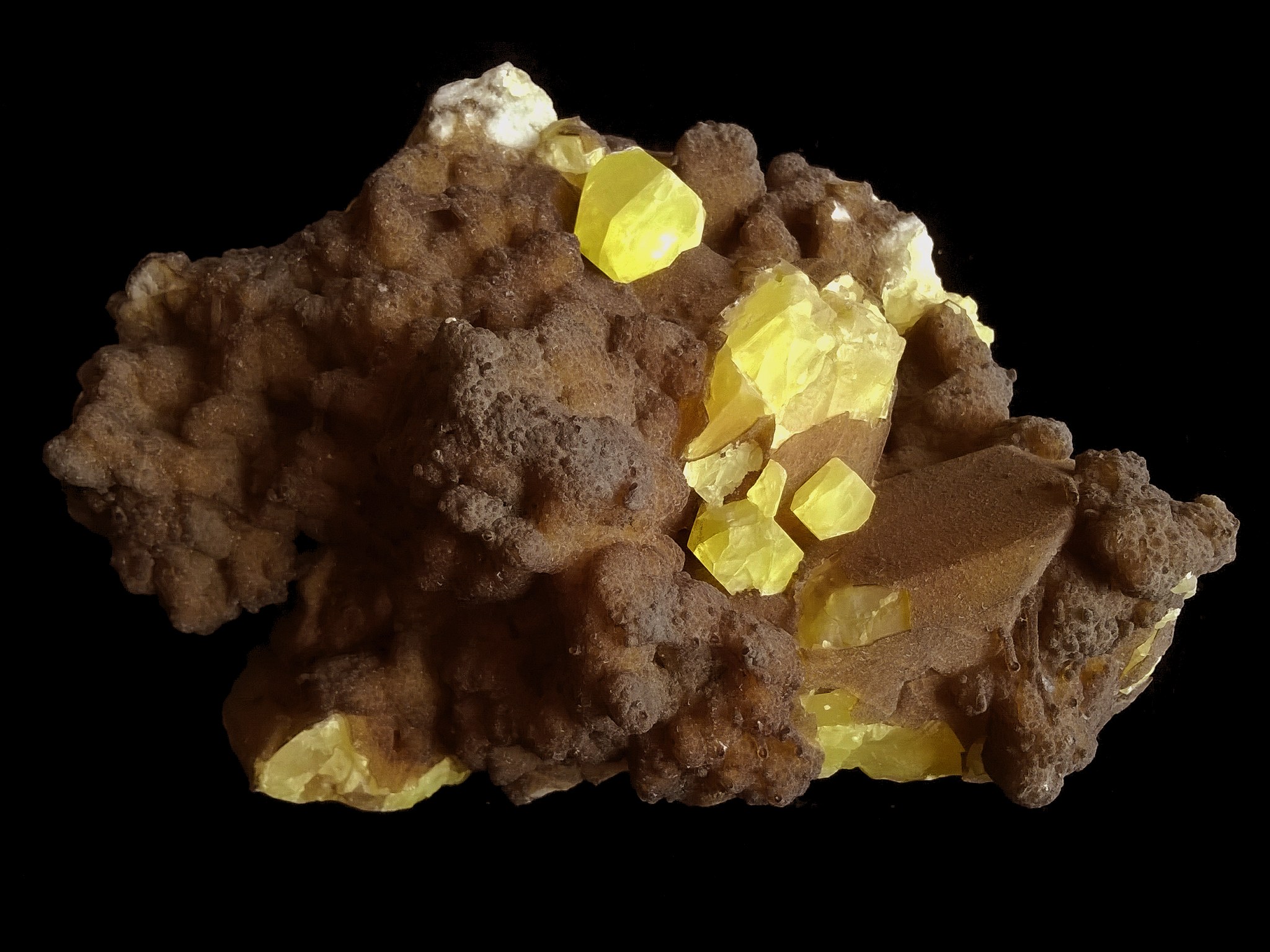
Mineralogy and Petrography collection
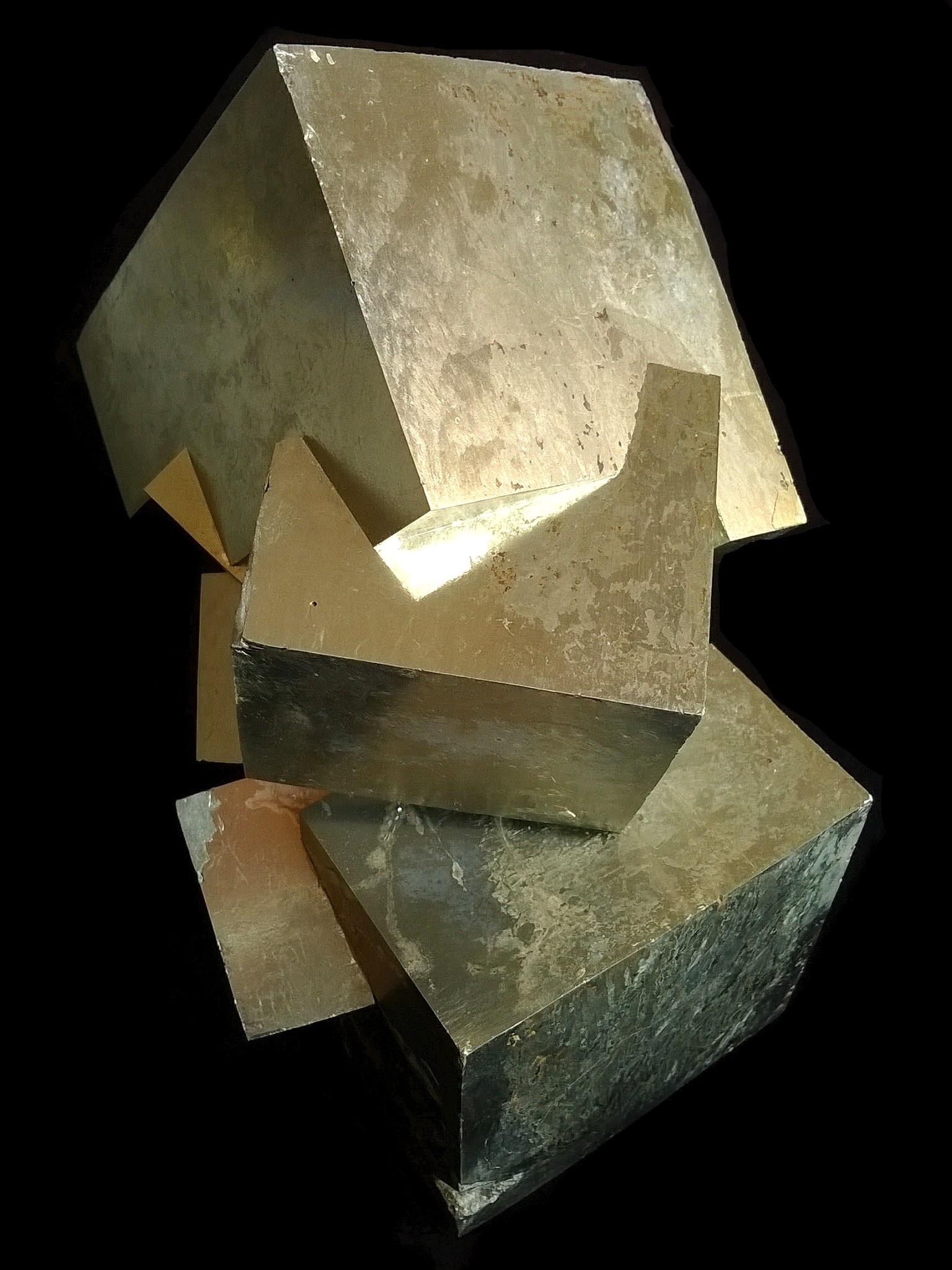
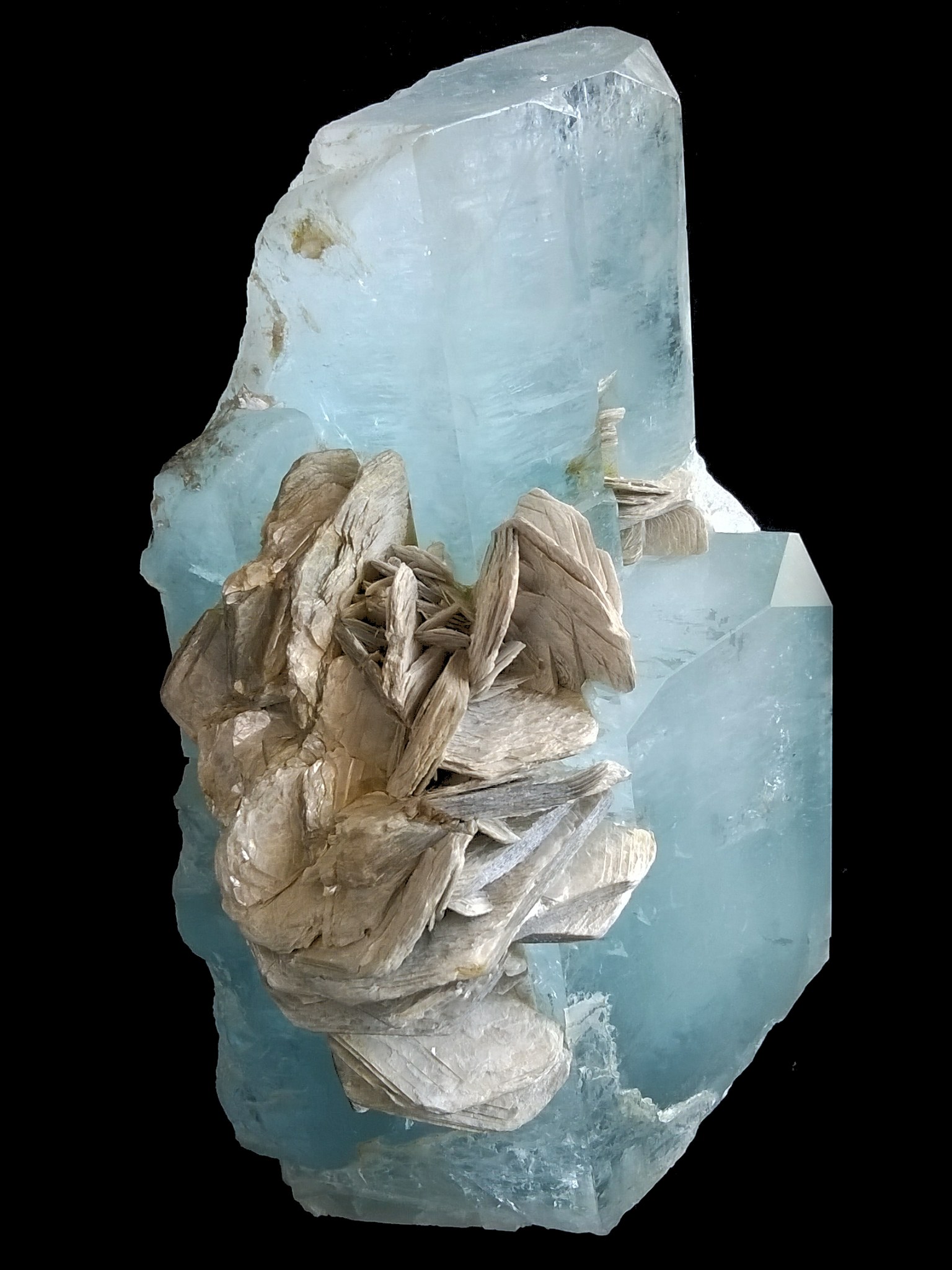
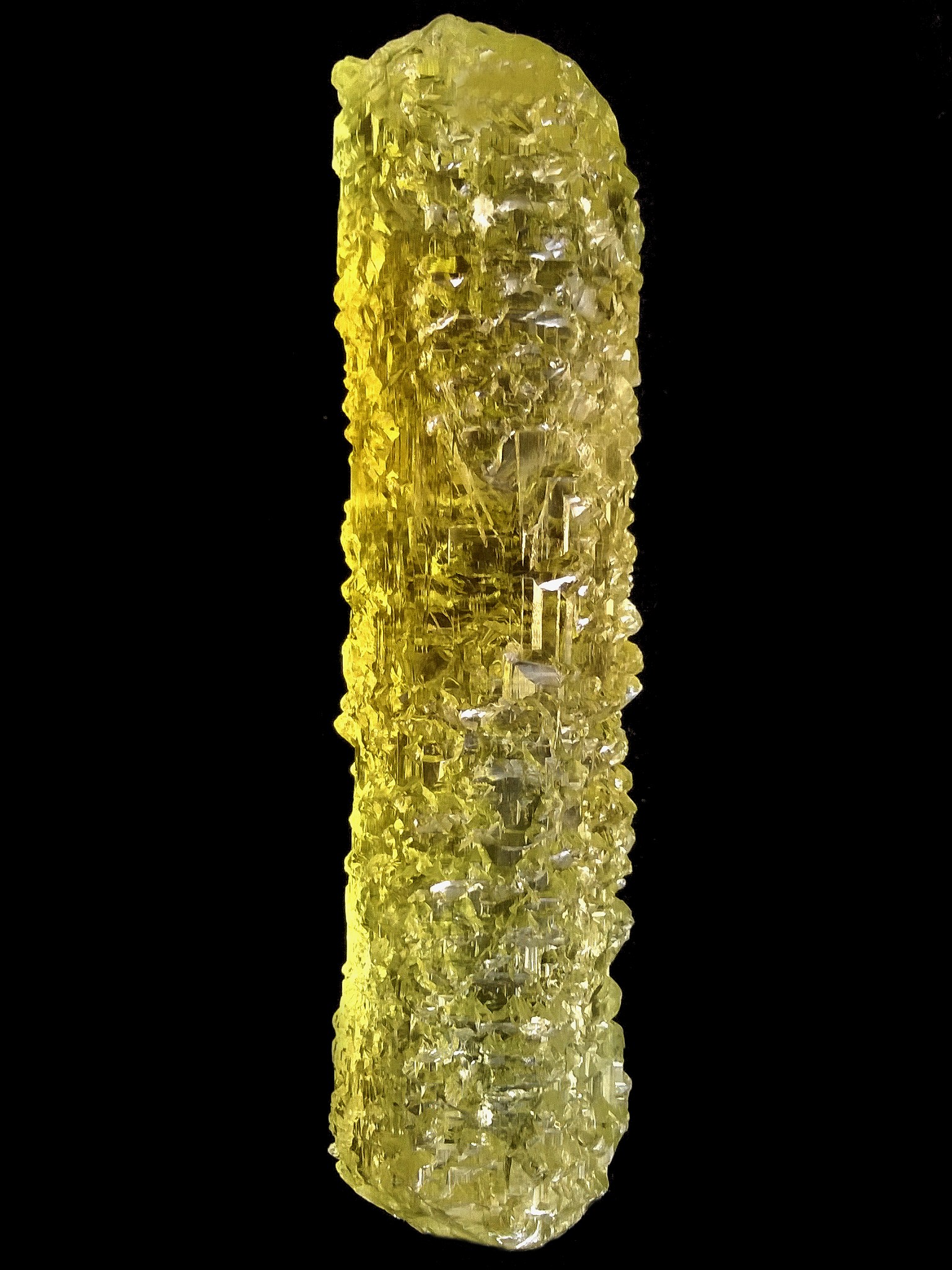
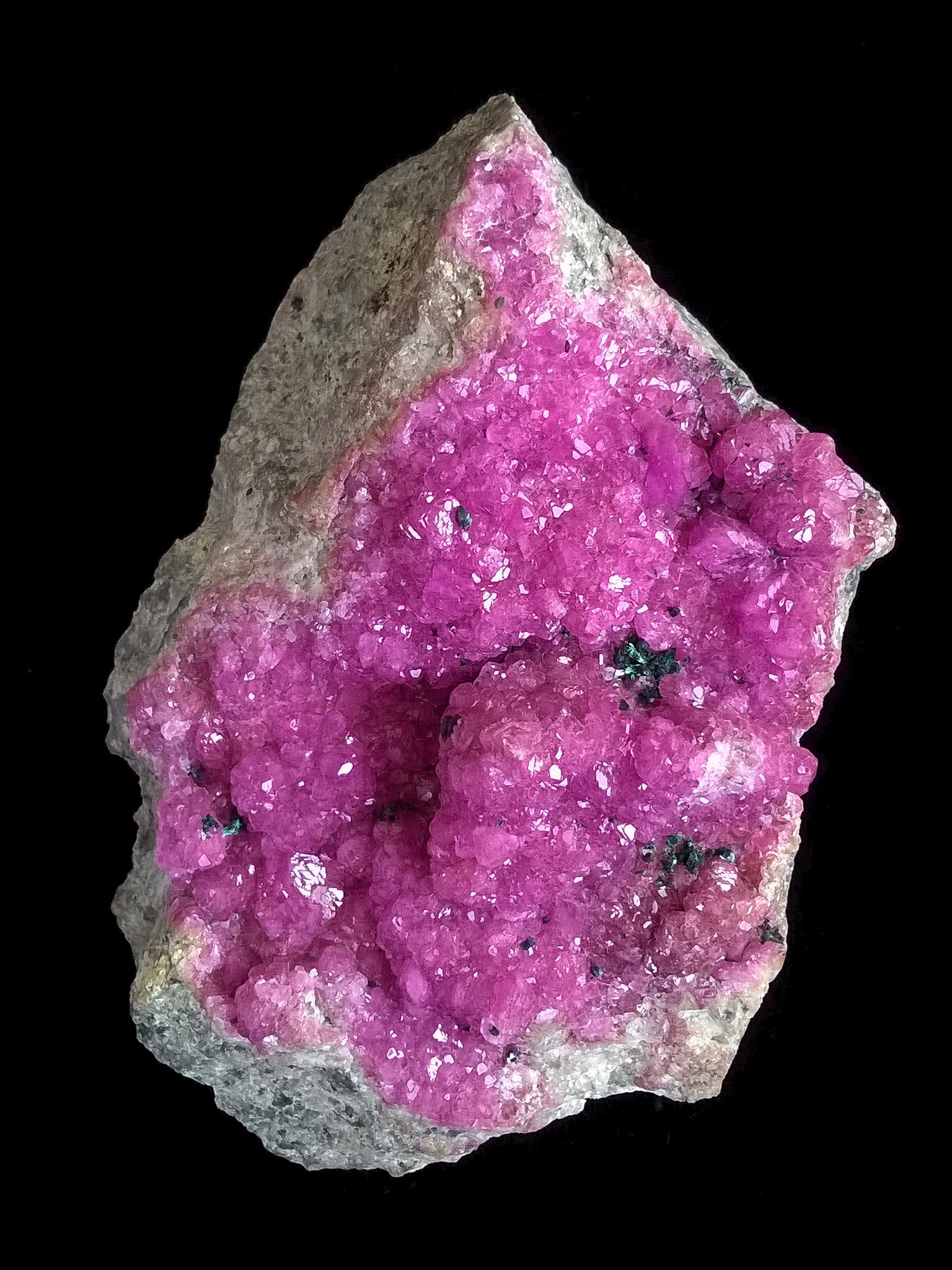
It is one of the largest in Italy, with over 4,000 mineral samples on display.
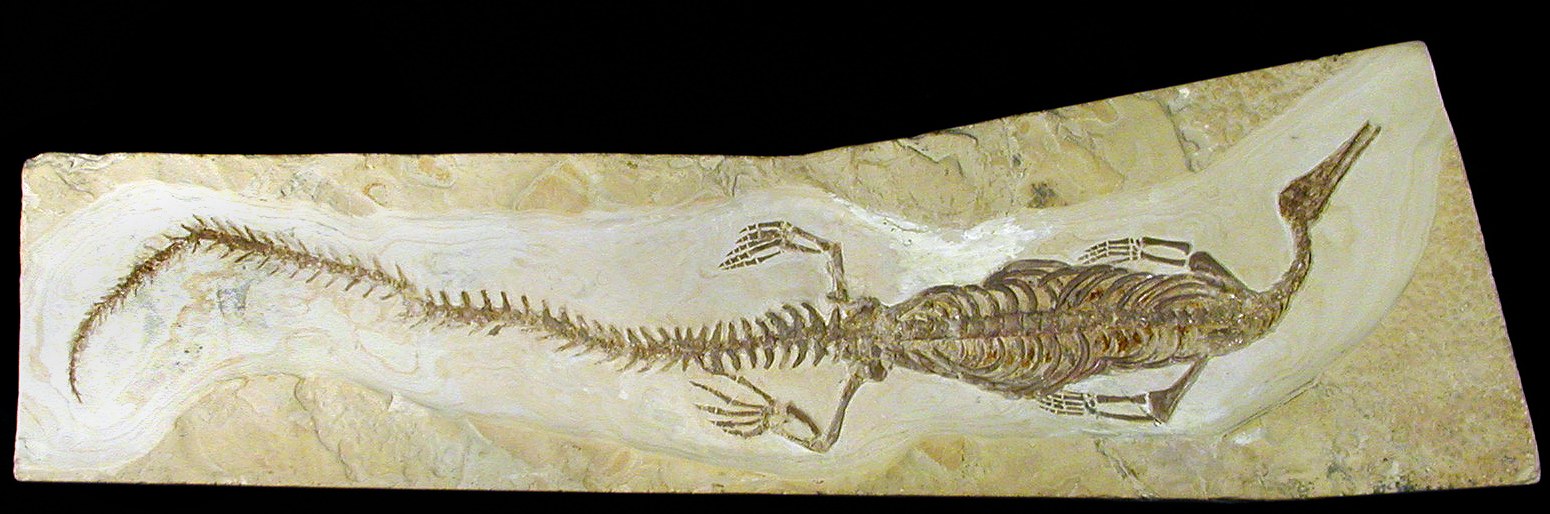
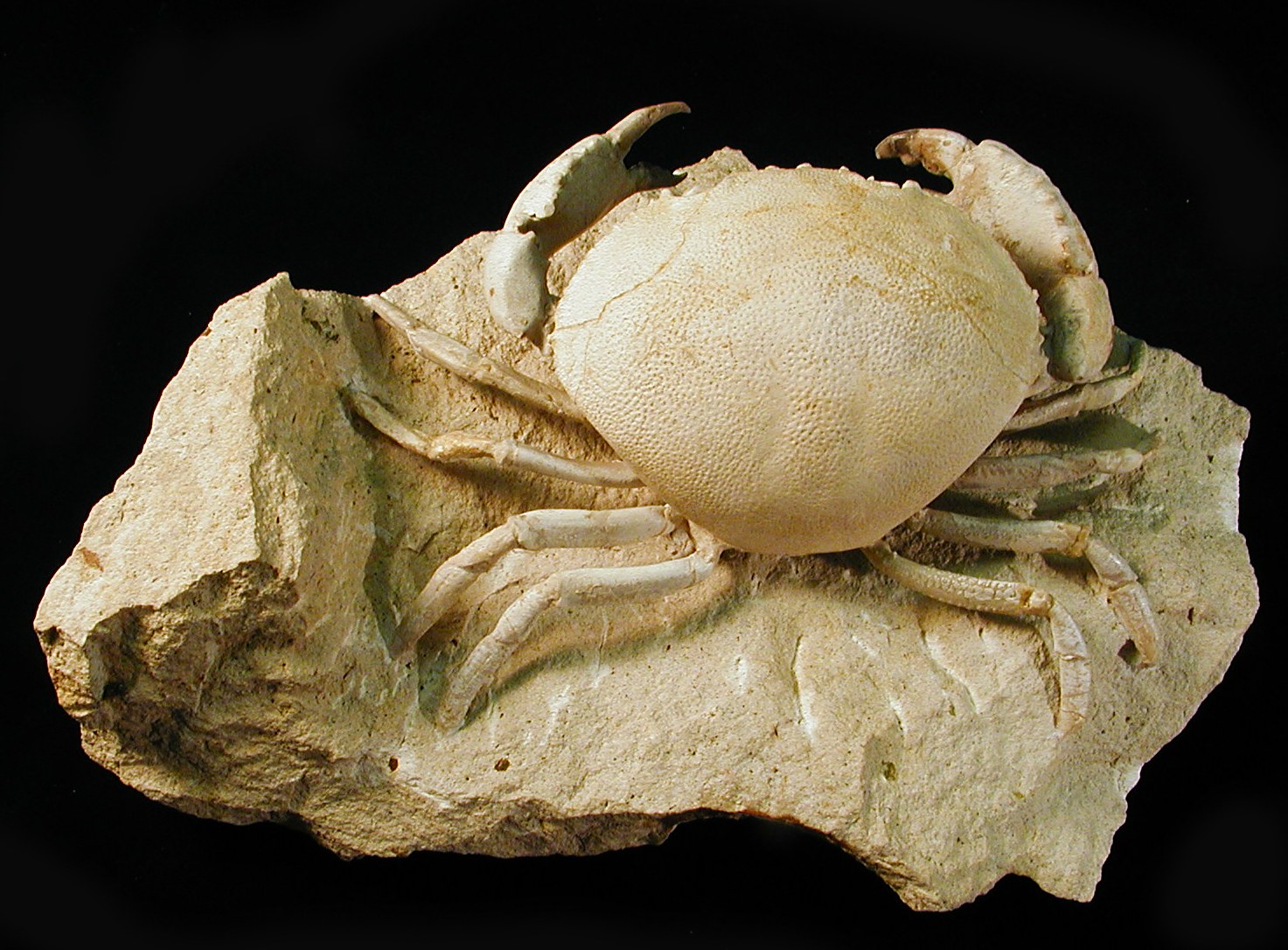
Palaeontology collection
It consists of around 1,400 specimens.
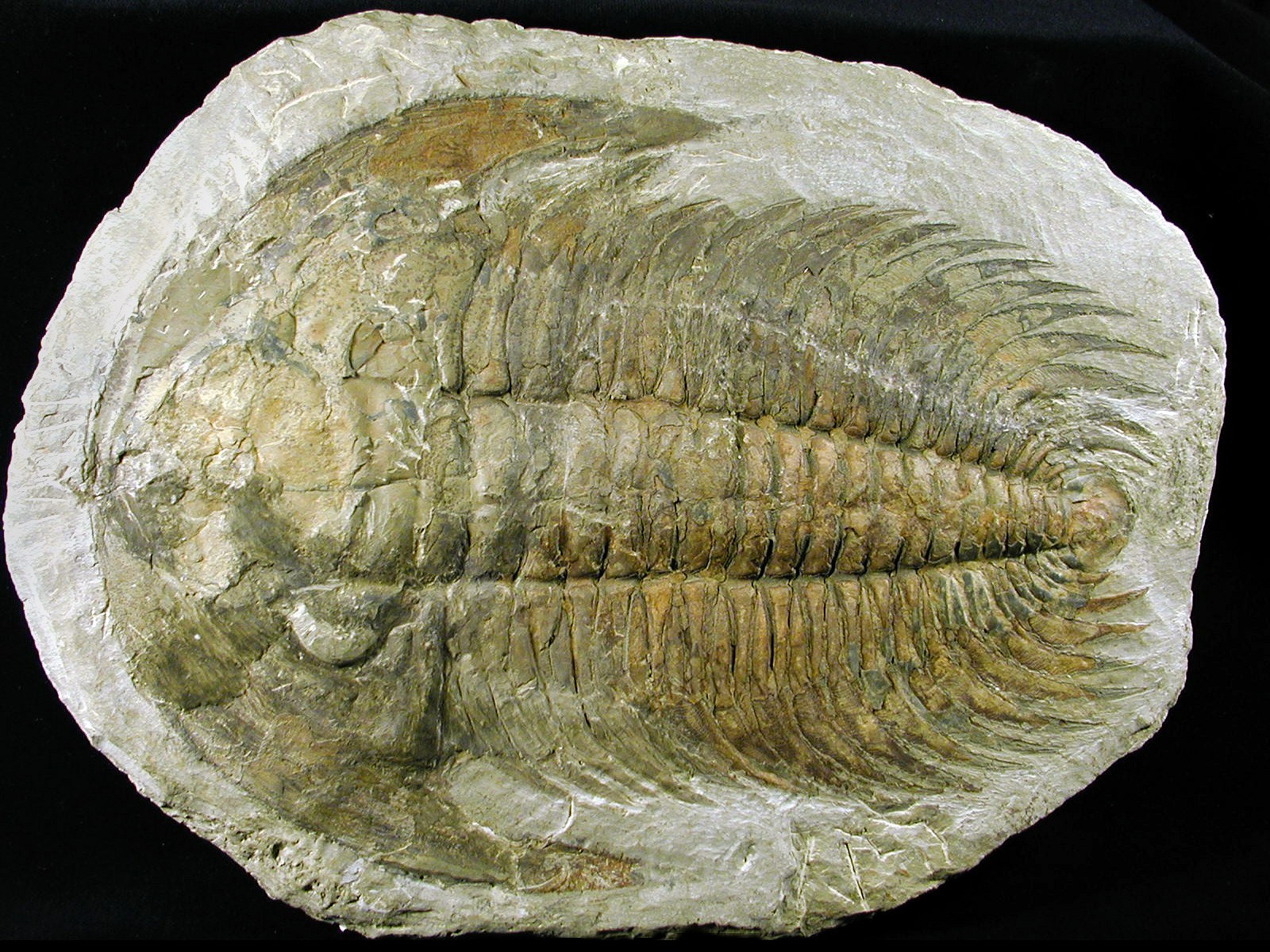
Ammonites, trilobites, dinosaur eggs and fish from the historic Bolca (VR) deposit stand out among the specimens on display.
The collection of fossils from the Pliocene Basin of Piedmont is worthy of note also.
Malacology collection
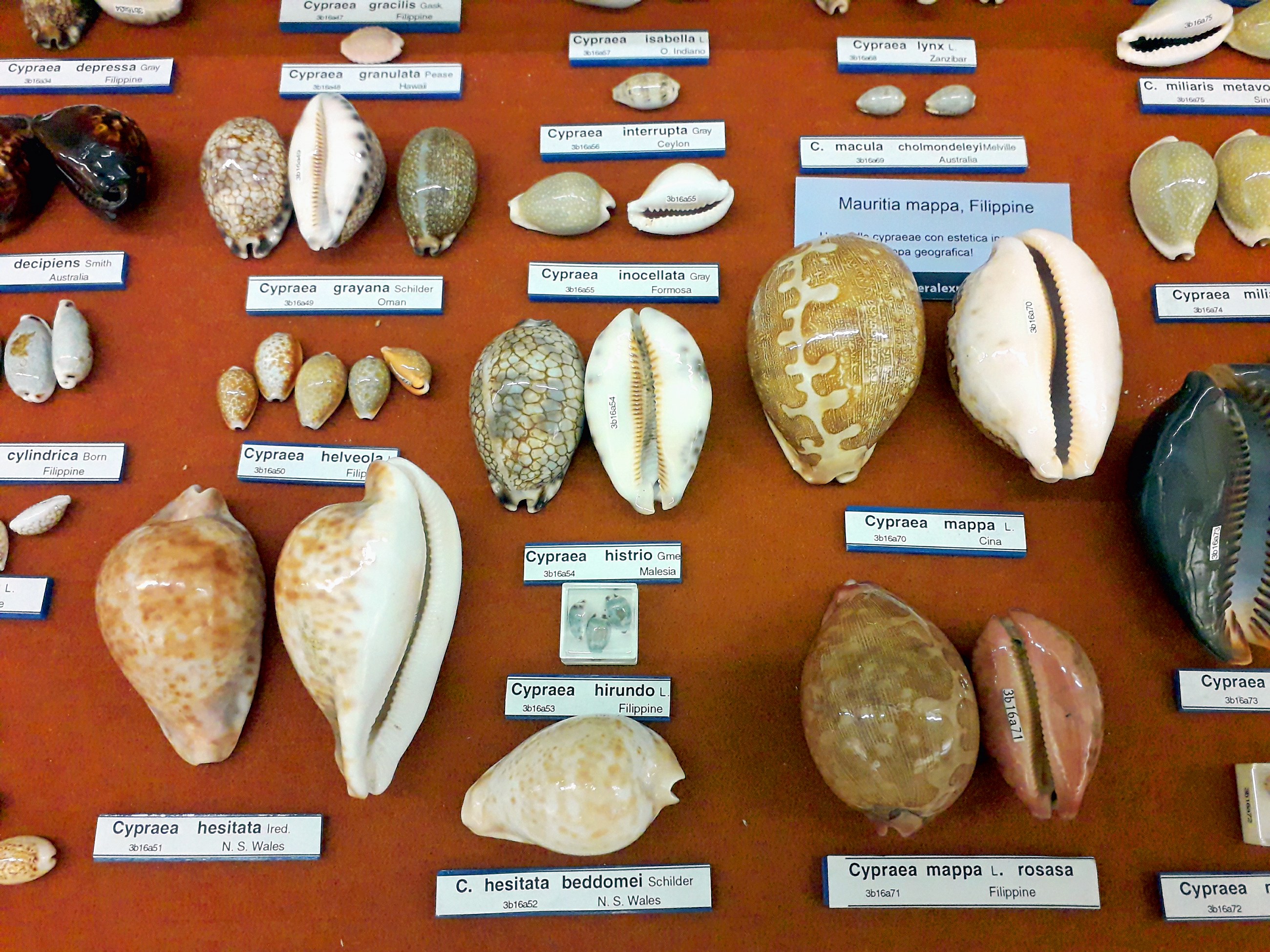
The flagship of the museum is the Rigoletti Collection of current shells, mainly of marine origin, with several thousand specimens in the process of being catalogued.
Zoology collection
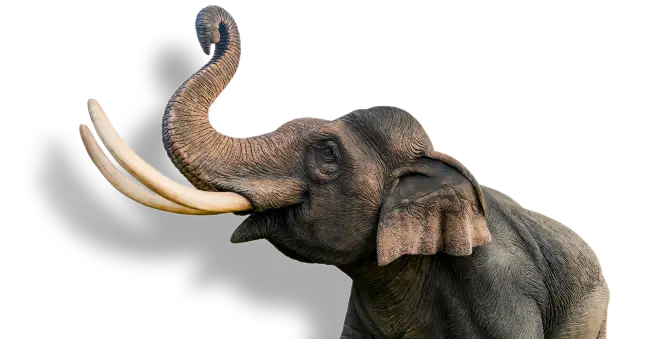
It consists of a wide range of vertebrates, including:
- two tuatara from New Zealand, primitive reptiles considered to be living fossils;
- birds such as the Southern Occidromus and Strigope, species indigenous to Australia believed to be extinct.
Botany collections
- a Consultation Herbarium of Italian flora: about 5,200 sheets mainly related to species from Piedmont and Liguria, collected between 1900 and 1920;
- collections of exotic flora from the Salesian Missions: about 2,500 sheets mainly from Latin America and about 950 sheets from Japan.
These collections are not on public display but can be examined on request.
Anthropology and ethnography collection
- The anthropology section is rich in prehistoric materials;
- The fossil remains of human bones found in Patagonia (2,000–10,000 BC) are the outcome of Don Antonio Tonelli's research, later investigated by the renowned anthropologist Giuseppe Sergi.
Collection of physics and chemistry scientific instruments
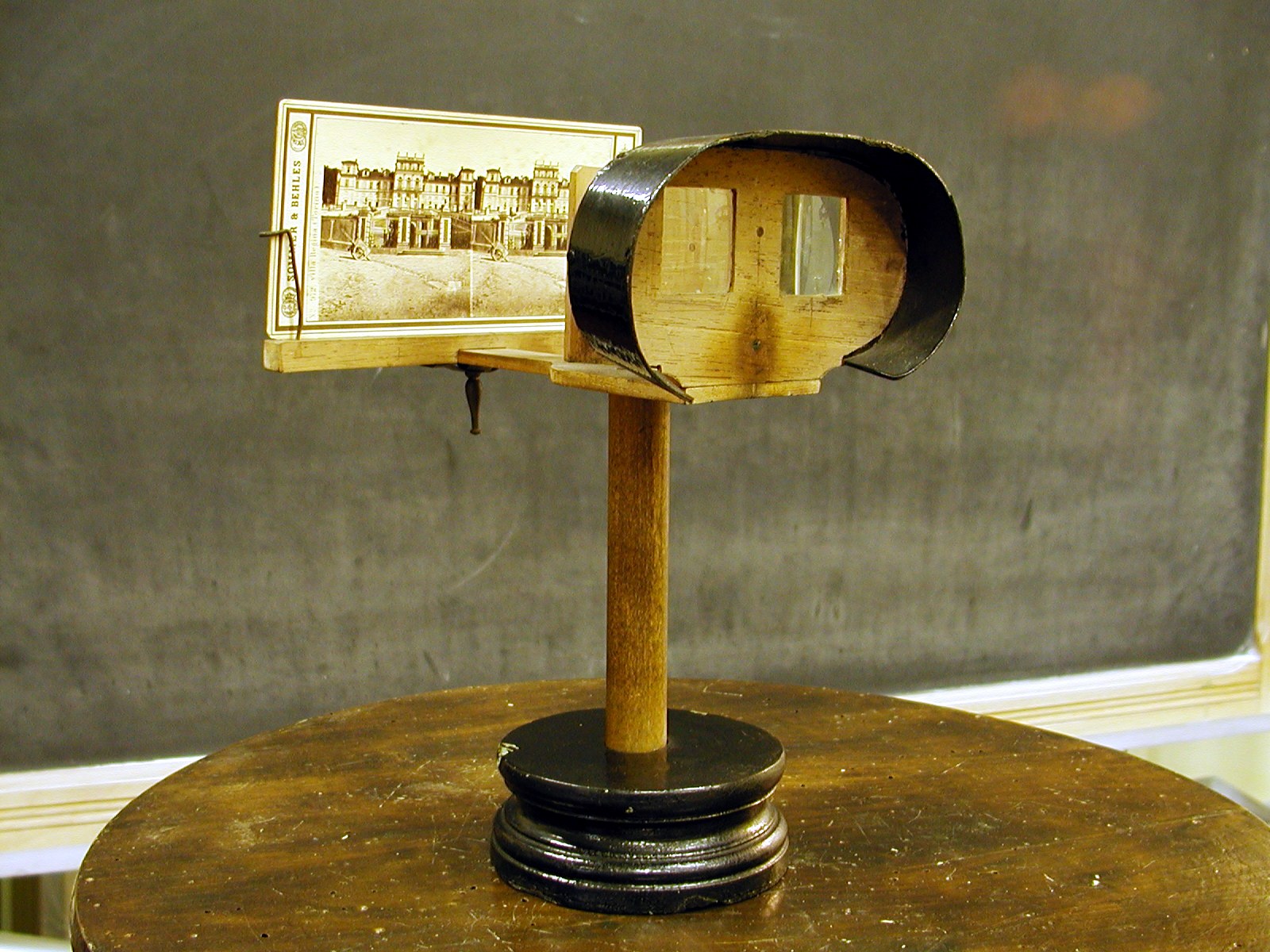
It consists of instruments still in use for teaching purpose.
Some of them date back to the 19th century and the first decades of the 20th century.
Activities
The Museum provides:
- guided tours and educational activities;
- courses and conferences on naturalistic and scientific topics;
- initiatives with the Friends of the Museum associations, the Valsalice Mineralogy Group and other Piedmontese scientific museums.
Gallery



The mineral and rock showcase
The fossil showcase


How many things can one learn about the natural world? Find it all out at the Regional Museum of Natural Sciences!