Don Bosco Museum
Overview
The museum comes under the Salesian Institute in Lombriasco.
The layout is didactic.
It holds naturalistic and ethnographic collections.
Computer stations and educational materials are at visitors' disposal.
No architectural barriers.
Collections
Mineralogy and petrography collections
A thousand specimens are on display.
Noteworthy for their size, beauty and significance:
- a group of fluorite crystals, 20 cm side length, from Zogno (BG);
- a druse of vanadinite from Morocco;
- a fluorite from Cumberland, north-west England coastal county;
- siderite, pyrite and bismuthinite from Brosso (TO);
- a quartz from Cavallaria Mount (TO);
- a large pyrope crystal from Martiniana Po (CN).
Palaeontology Collections
They include:
- about 300 fossil specimens;
- some scale models of dinosaurs.
Zooology collections
They include:
- amphibians;
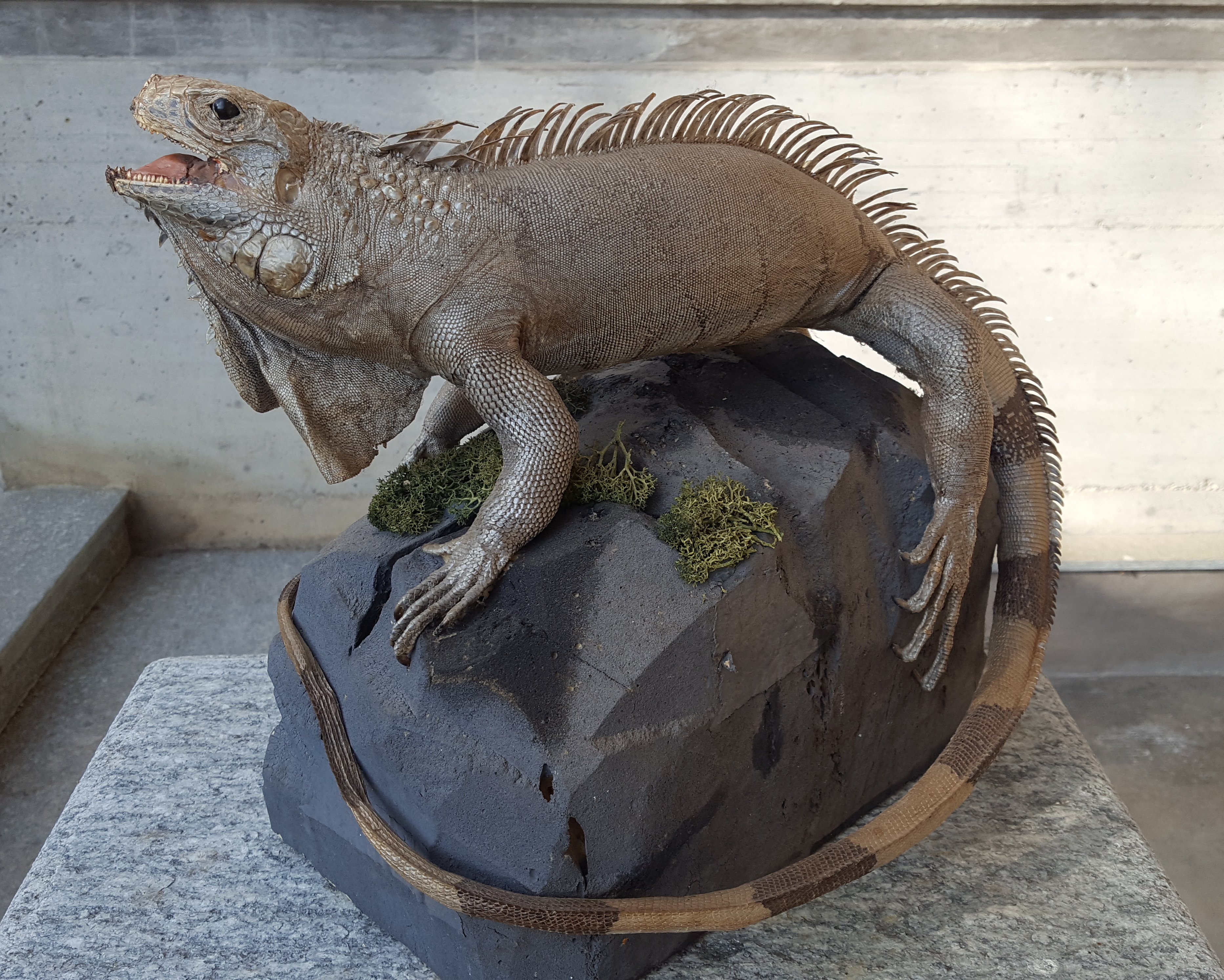
- reptiles;
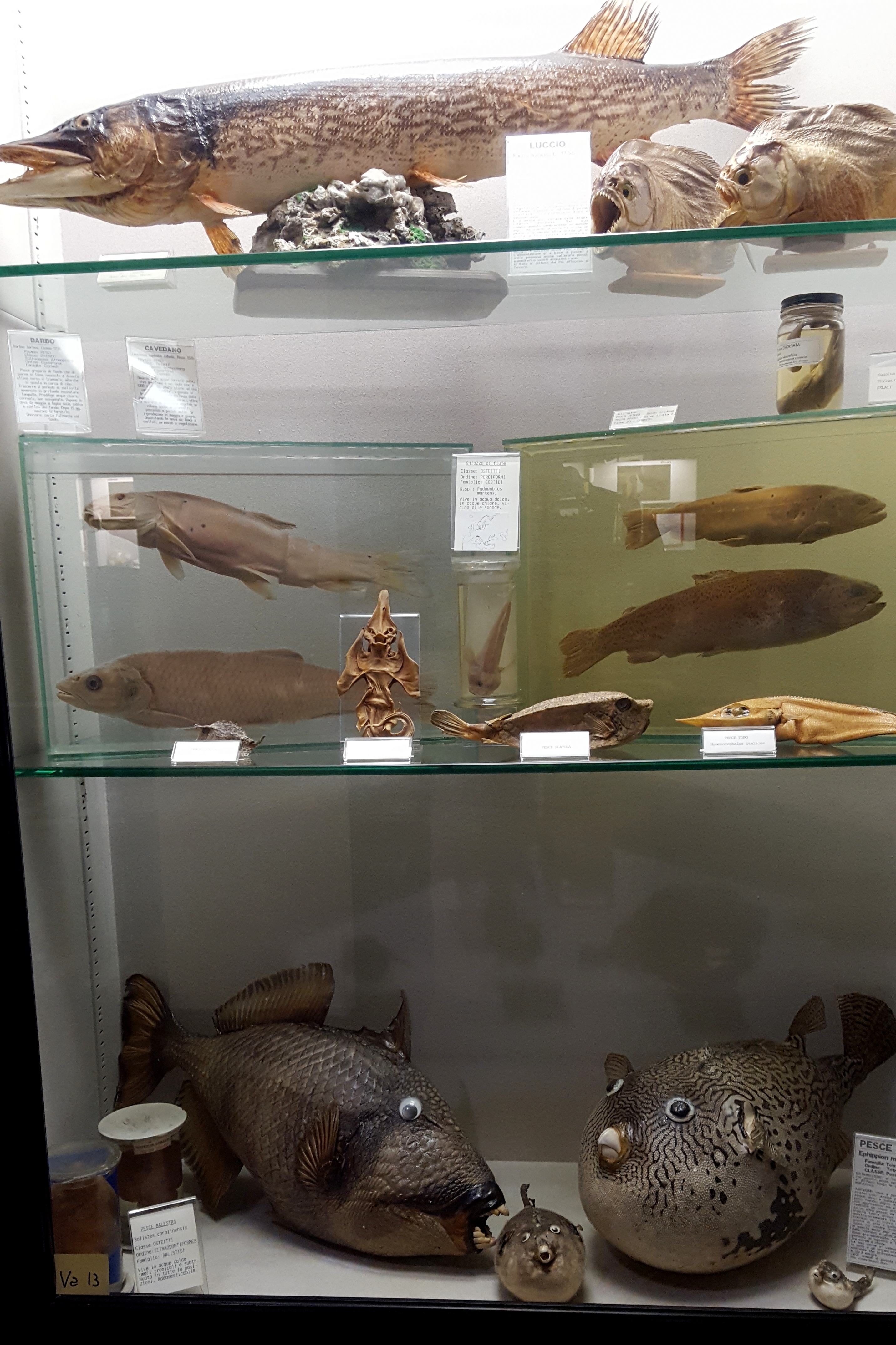
- fish;
- Entomology collection:
- exotic butterflies;
- Italian butterflies;
- exotic and Italian insects;
- boxes dedicated to insect camuflage;
- cerambycids, carabidae and Italian diurnal butterflies;
- enlarged resin models of the mouthparts of insects.
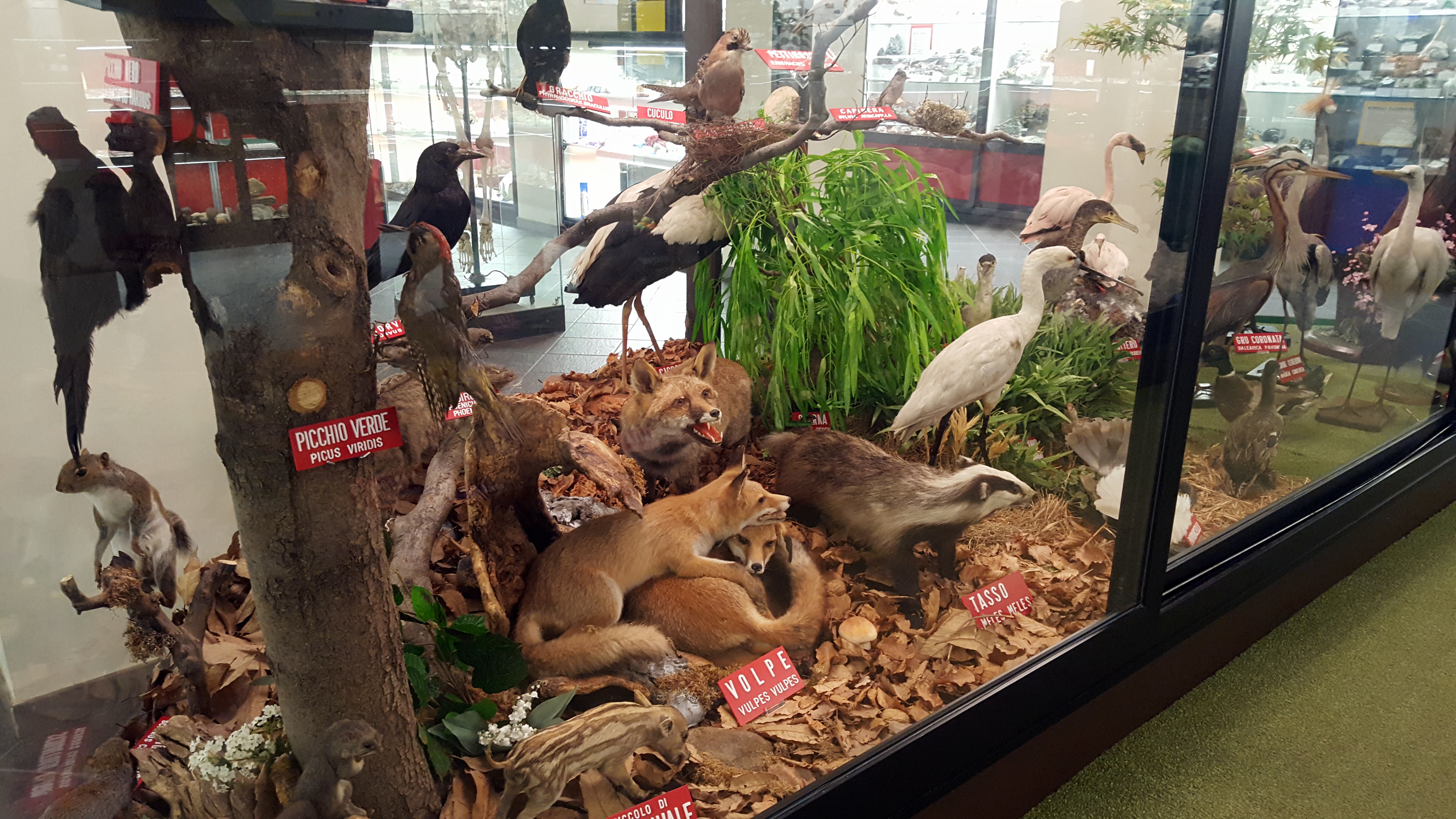
- Birds collection
It includes about 300 species.
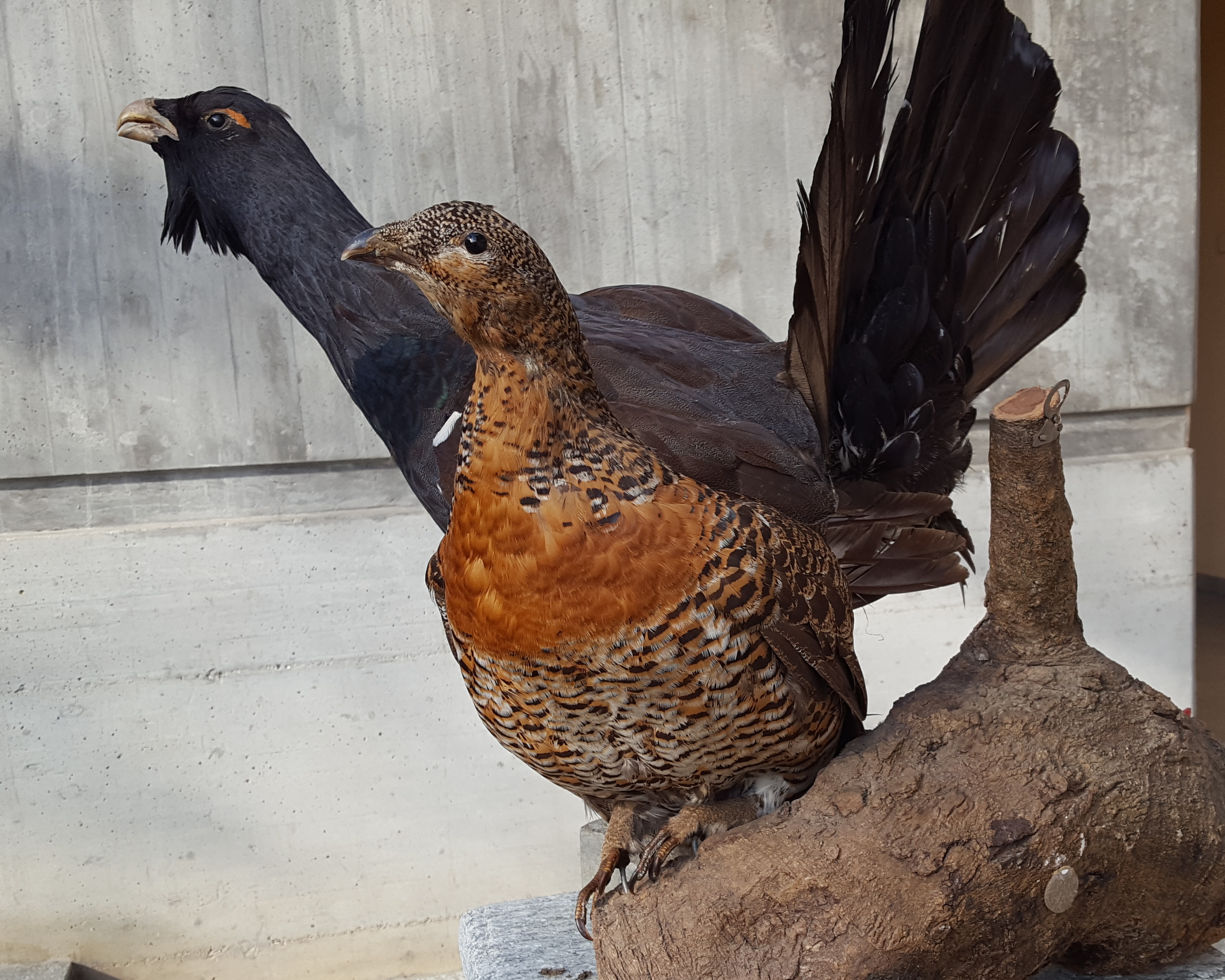
Noteworthy among them:- a pair of capercaillie;
- an endangered Andean rock cockerel (Rupicola peruvianus);
- a faithful palamedea.
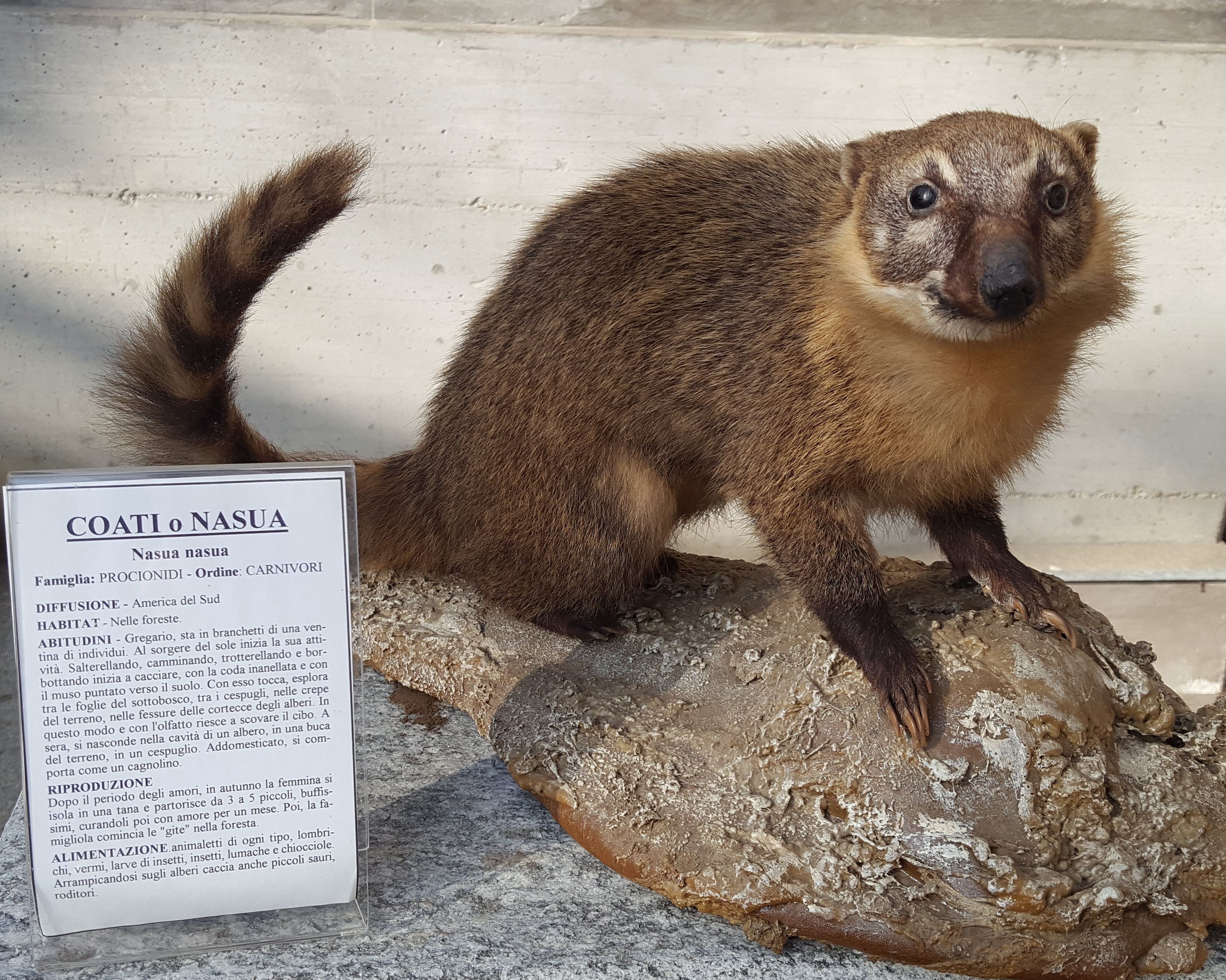
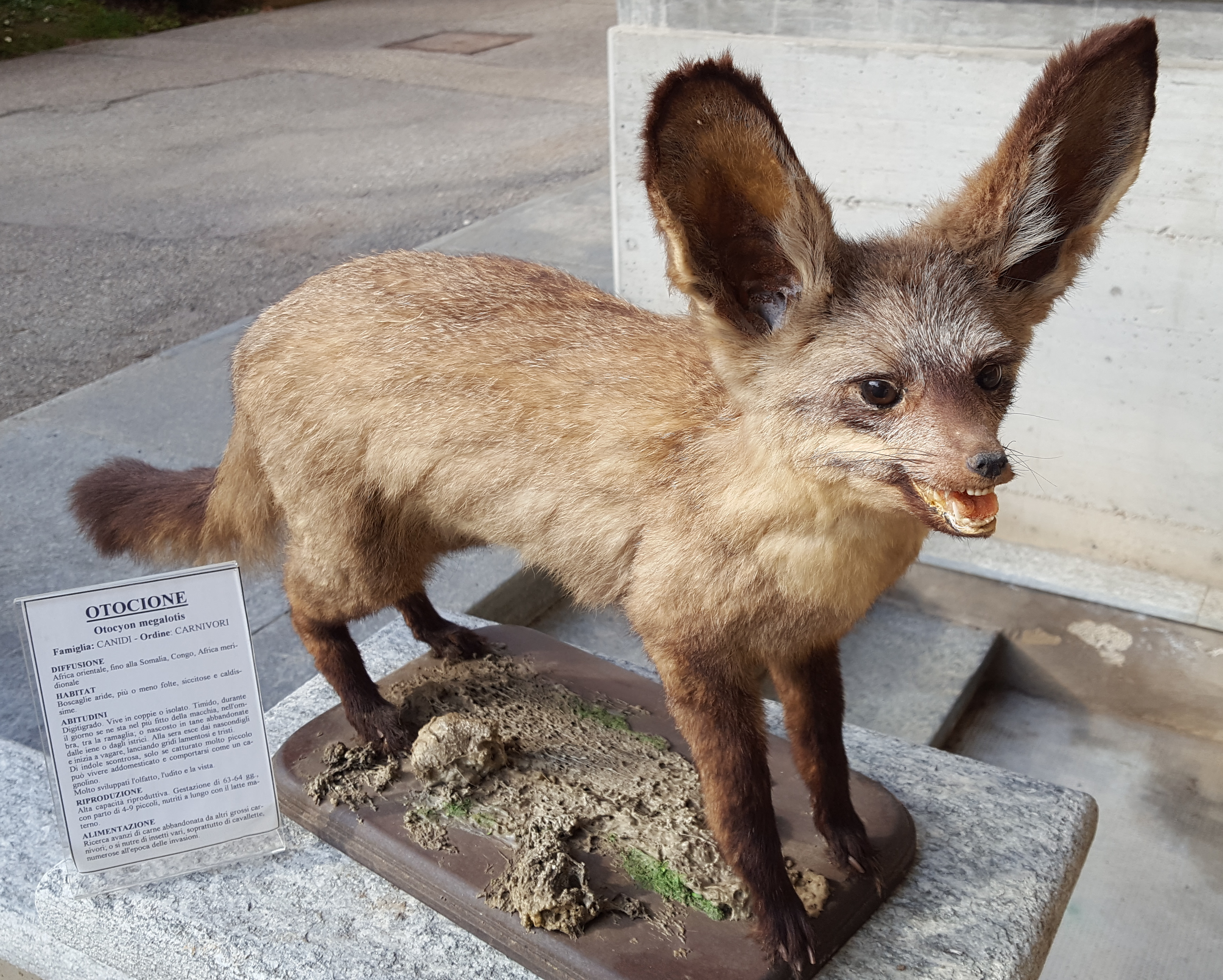
- Mammals collection
- approximately 200 mammal specimens;
- resin models of mammal teeth;
- a sloth brought to Italy from the Amazon, kept in captivity in Lombriasco for a few years;
- a section dedicated to individuals born with malformations:
- a six-legged spotted calf;
- a double-headed Piedmontese calf, born in 1940s;
- three-legged cicken and chick.
Botany Collections
They include:
- Gresino Herbarium, set up between the end of the 19th and the beginning of the 20th century by the Salesian Priest Giacomo Gresino (1859-1946).
It includes:- lichens;
- mosses;
- algae;
- mushrooms;
- morphological herbarium.
It is one of the most important cryptogamic collections, as for number of specimens specially from Liguria and Piedmont. The most consistent herbarium set is stored in the warehouse.
- Small collections of dried plants for educational purposes.
Ethnographic collections
They include:
- Neolithic-era finds from Lake Ledro (TN);
- rock engravings from Capodiponte (BS).
Educational panels
They are about:
- main phases of continental drift;
- geological eras;
- the geological formation of Italy;
- the five kingdoms of living beings;
- evolution and systematics of invertebrates.
Activities
The Museum provides:
- activities for students of the Salesian Institute;
- visits by appointment for other students of all levels.
Gallery
How many things can one learn about the natural world? Find it all out at the Regional Museum of Natural Sciences!