Faraggiana Ferrandi Natural History Museum
Overview
The Faraggiana Ferrandi Natural History Museum is the second largest natural history museum in the region, behind the Regional Museum of Natural Sciences of Turin, both for the exhibition space and the breadth of the collections.
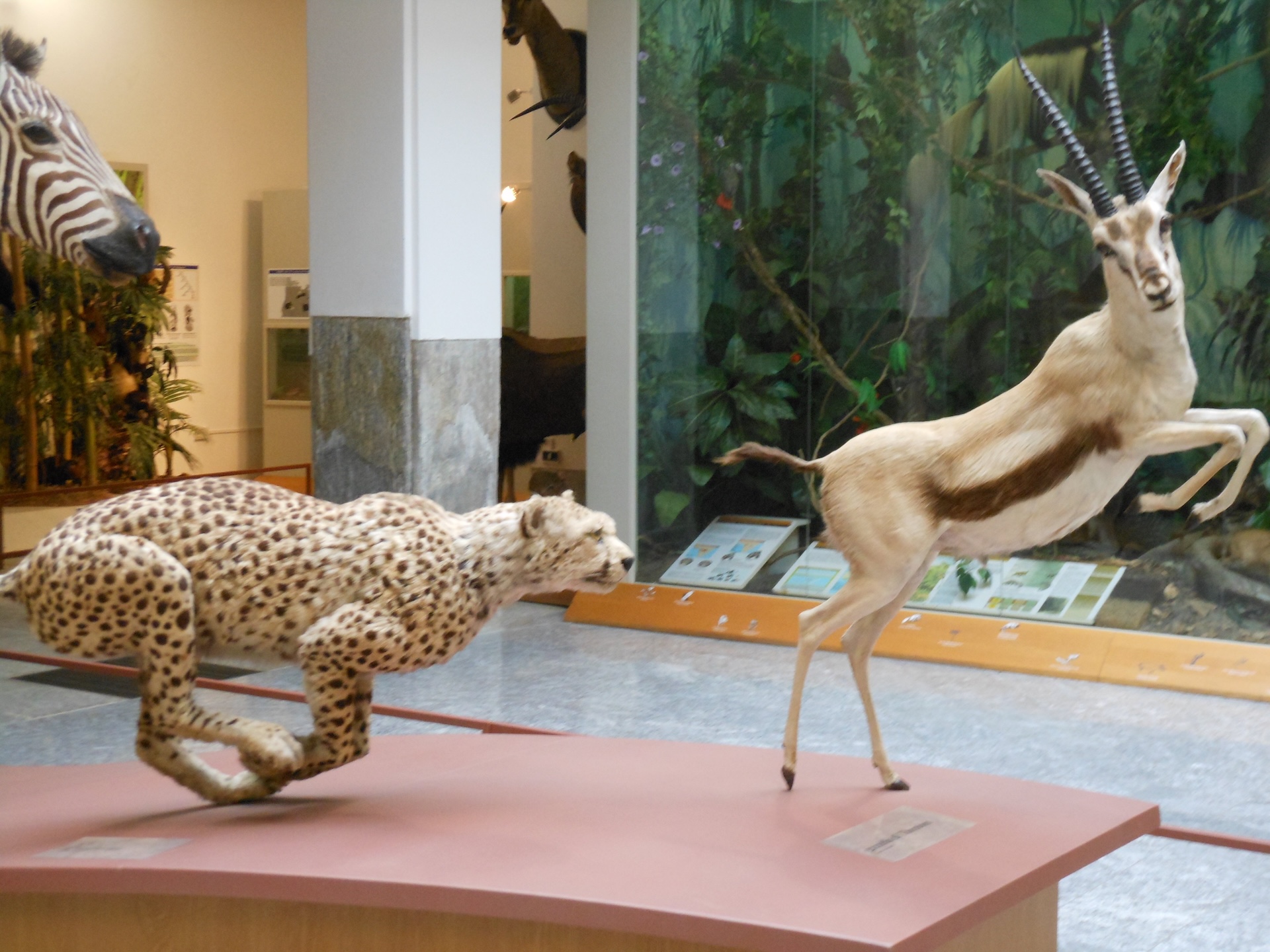
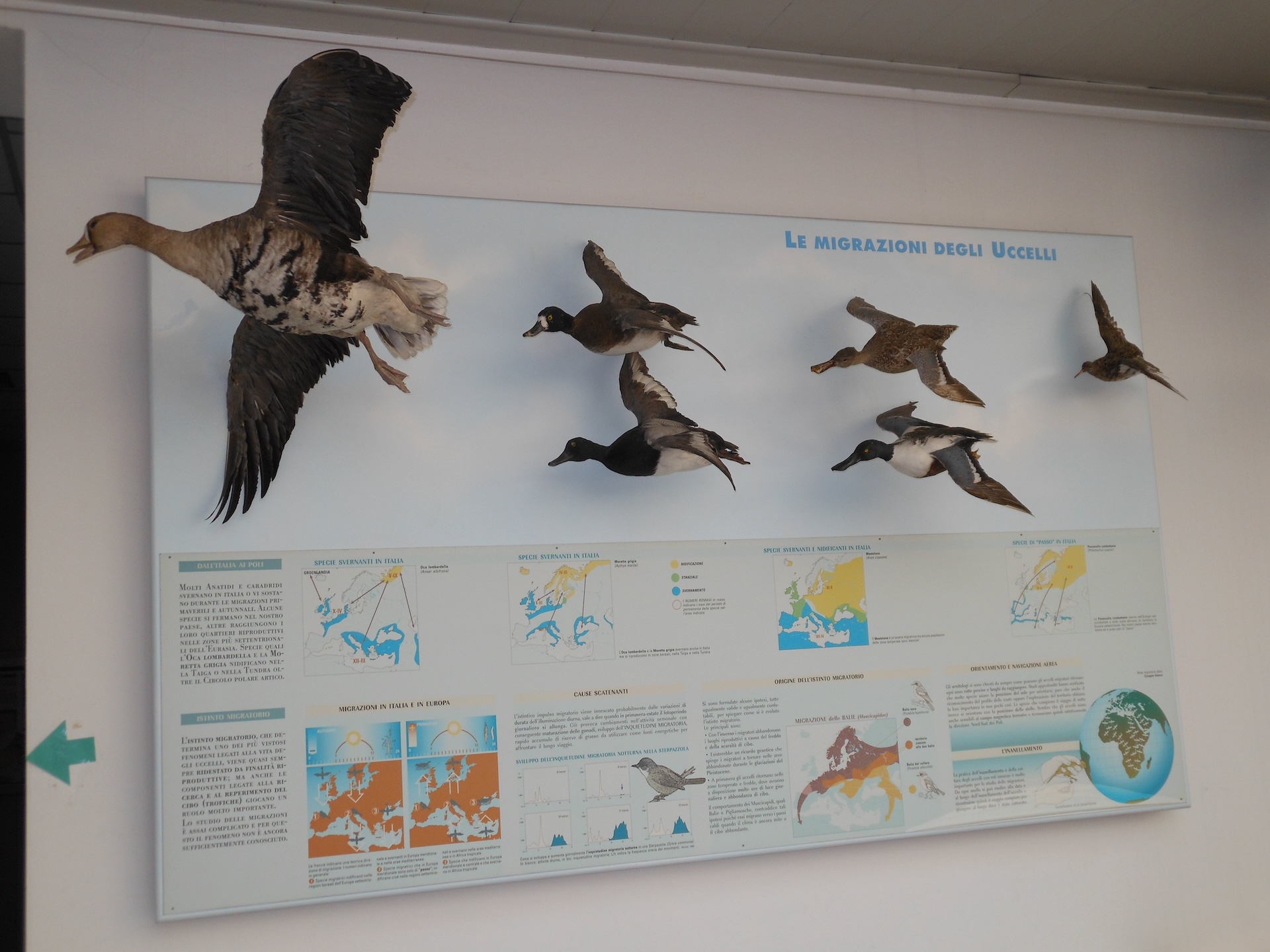
Environmental recreations and dioramas illustrate the fauna of Europe and other regions of the world in a contemporary and scientifically accurate approach.
A multi-sensory pathway ensures full accessibility to everyone.
Auditory and olfactory installations and devices, special tactile signage, as well as the tactile flooring system LOGES, Guidance Orientation And Safety System, help orientation and autonomy in the museum halls.
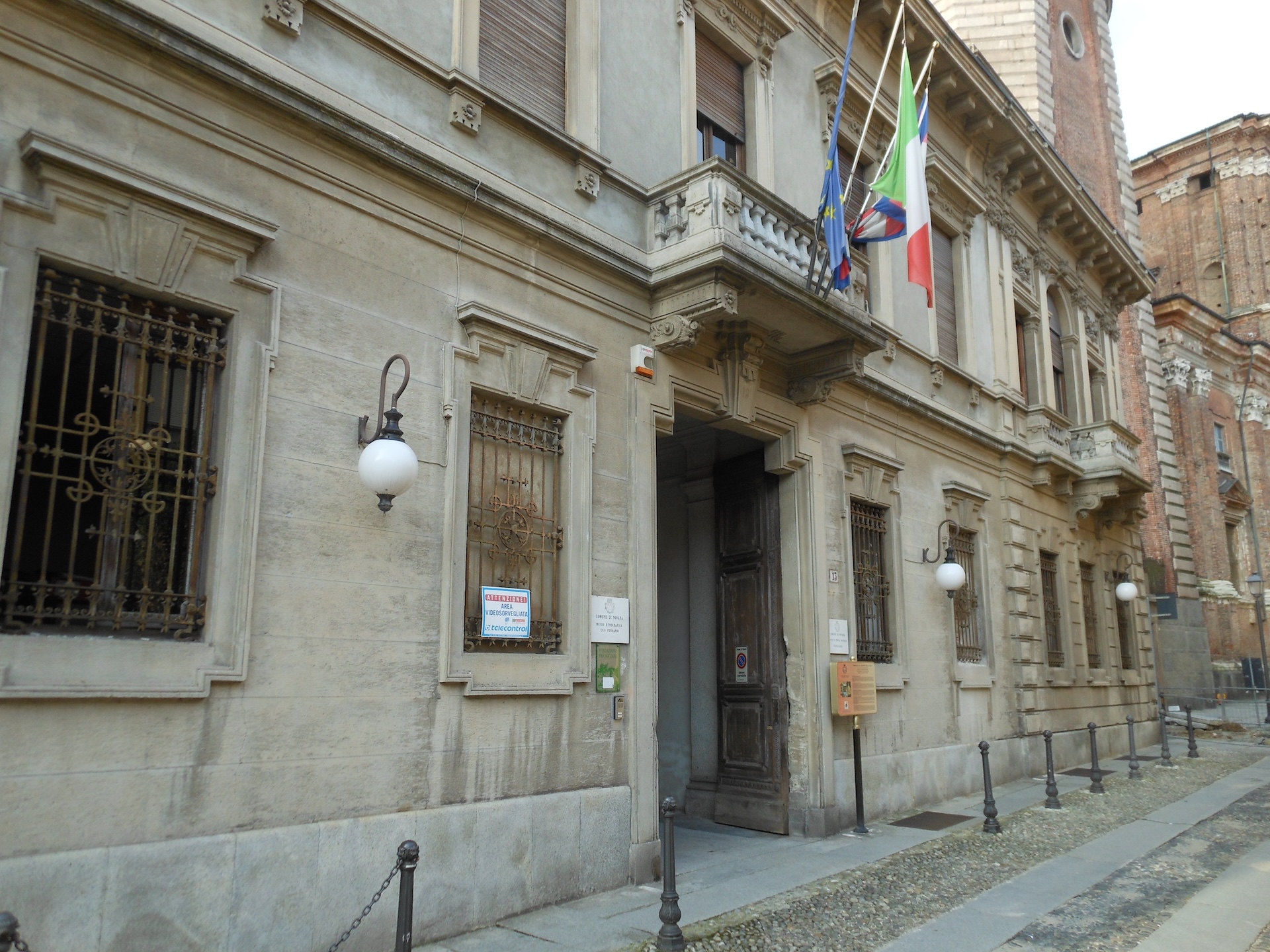
The museum is housed in the 19th-century Faraggiana Palace, in the historic centre of Novara, next to the Antonelli's Dome of the Basilica of San Gaudenzio, one of the largest brick buildings in the world, regarded as a symbol of the city.
The inner courtyards of Faraggiana Palace offer a breathtaking view of the dome.
They serve as small yet vital green lungs for the historic centre.
The innermost courtyard hosts an educational garden with trees and shrubs typical of the Po Valley and an artificial pond with marsh vegetation.
Duration of the visit: about one hour and a half.
No architectural barriers.
Collections
The zoology collection of the museum is the second largest in Piedmont, behind the MRSN’s one in Turin.
It comprises just under 2,500 inventoried specimens, including over 1,200 species of vertebrates.
The Museum's most noteworthy specimens include:
- a snow leopard;
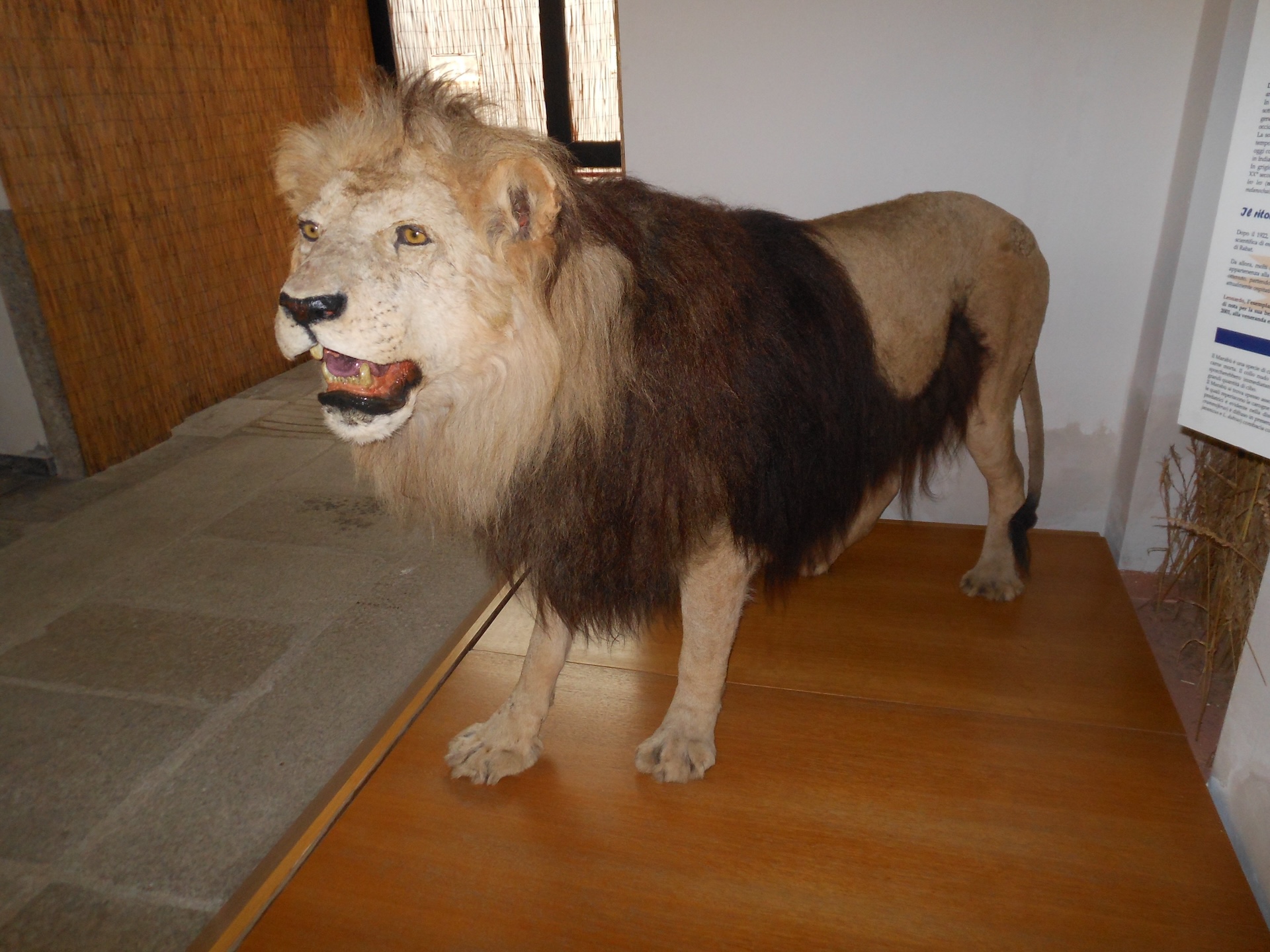
- a Berber lion, now extinct;
- a lesser panda;
- a musk deer (moschus moschiferus), a little-known ancient relative of the deer, whose scent glands at the base of its neck are used in perfume making.
Over 450 of the stored animals are currently on display.
About 70% of them belong to the Faraggiana family's historical collection, brought together with the assistance of Ugo Ferrandi.
Thirty per cent proceeds from recent purchases and donations by private individuals and zoos.
Three entomology collections, with almost 20,000 insects, are also exhibited.
Library
The Museum has no library open to the public.
However, researchers and students can refer the volumes of the scientific library, by appointment only.
Activities
The Museum provides educational activities for schoolchildren to bring them closer to the natural environment and scientific topics.
Gallery


How many things can one learn about the natural world? Find it all out at the Regional Museum of Natural Sciences!