Federico Eusebio Archaeological and Natural Science Museum
Overview
The Museum was founded by the archaeologist Federico Eusebio in 1897.
It was intended as an historical-archaeological collection of prehistoric and Roman artefacts found underground in the town of Alba and its surroundings.
Geo-palaeontology, zoology and botany sections were then newly created in 1976.
The town of Alba is therefore endowed with a museum that can offer visitors a chronicle of the historical evolution and environmental changes of its territory.
The archaeology section was upgraded with artefacts provided by the Archaeology, Fine Arts and Landscape Superintendency of Piedmont in 2001.
The exhibits on display are estimated to be only 5% of the museum's holdings.
The exhibits in the showcases and their explanatory panels are updated whenever required.
The extensive collections of fossils, animals and plants, conveniently arranged in cabinets in the storerooms, are made available to scholars.
The museum's holdings are constantly being increased with finds from archaeological excavations and naturalistic researches carried out in the area.
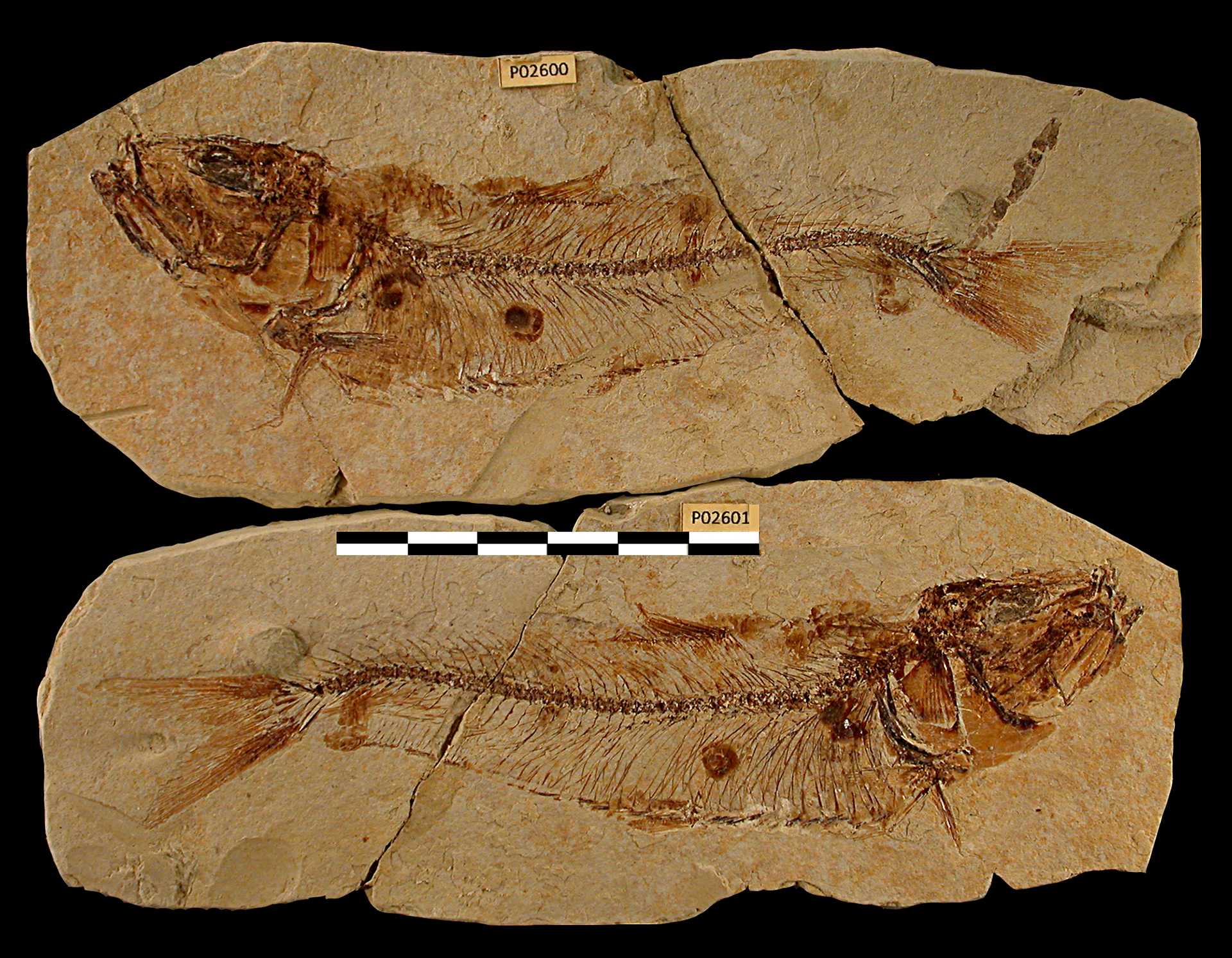
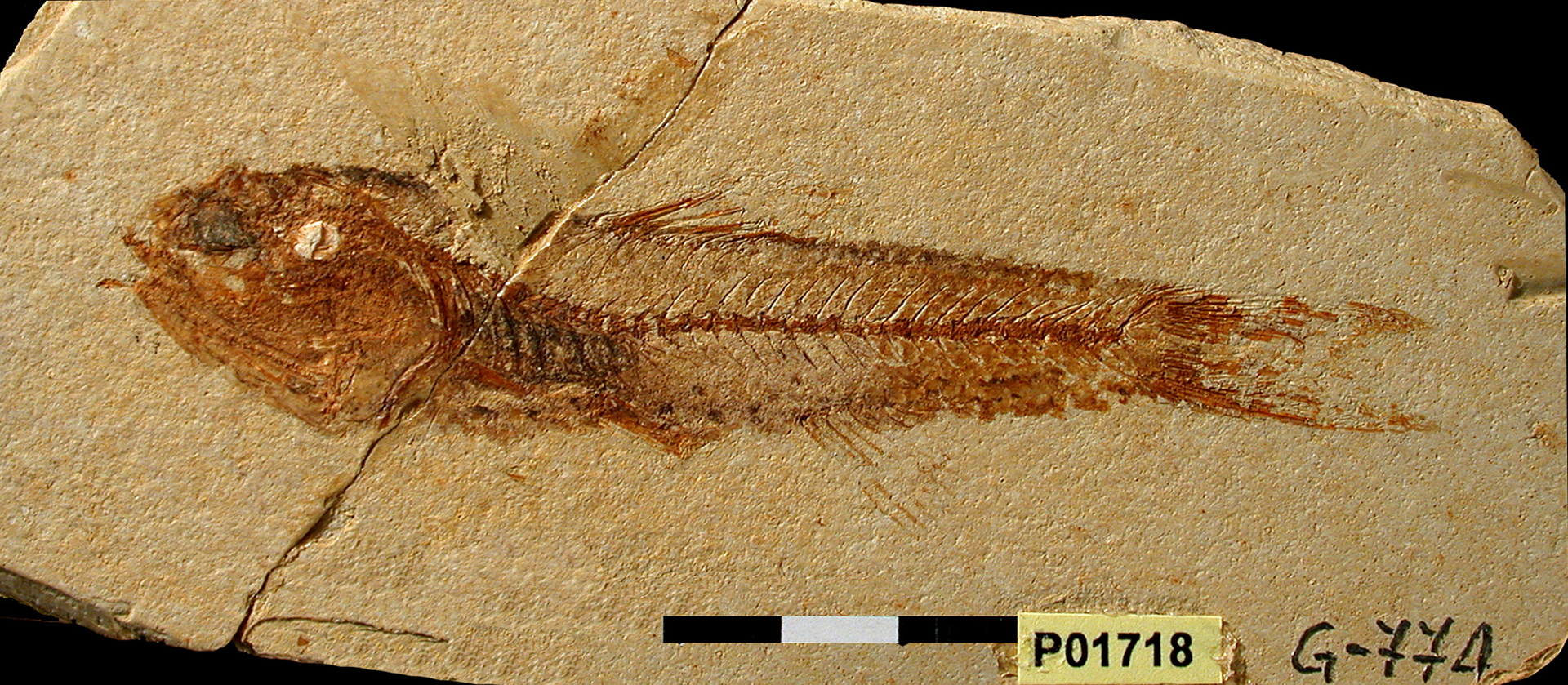
The museum's nature trail starts with two large fossil leaf impressions (130x150 cm) of the Sabal major palm, holding the fossil fish Alosa elongata in its centre.
This outstanding find, dug out of the Marne of Sant'Agata, near Roddi, bears witness to the warm climate of past geological eras, when the land around Alba was washed by the waters of the Po Gulf and lush subtropical vegetation thrived on its shores.
No architectural barriers.
Collections
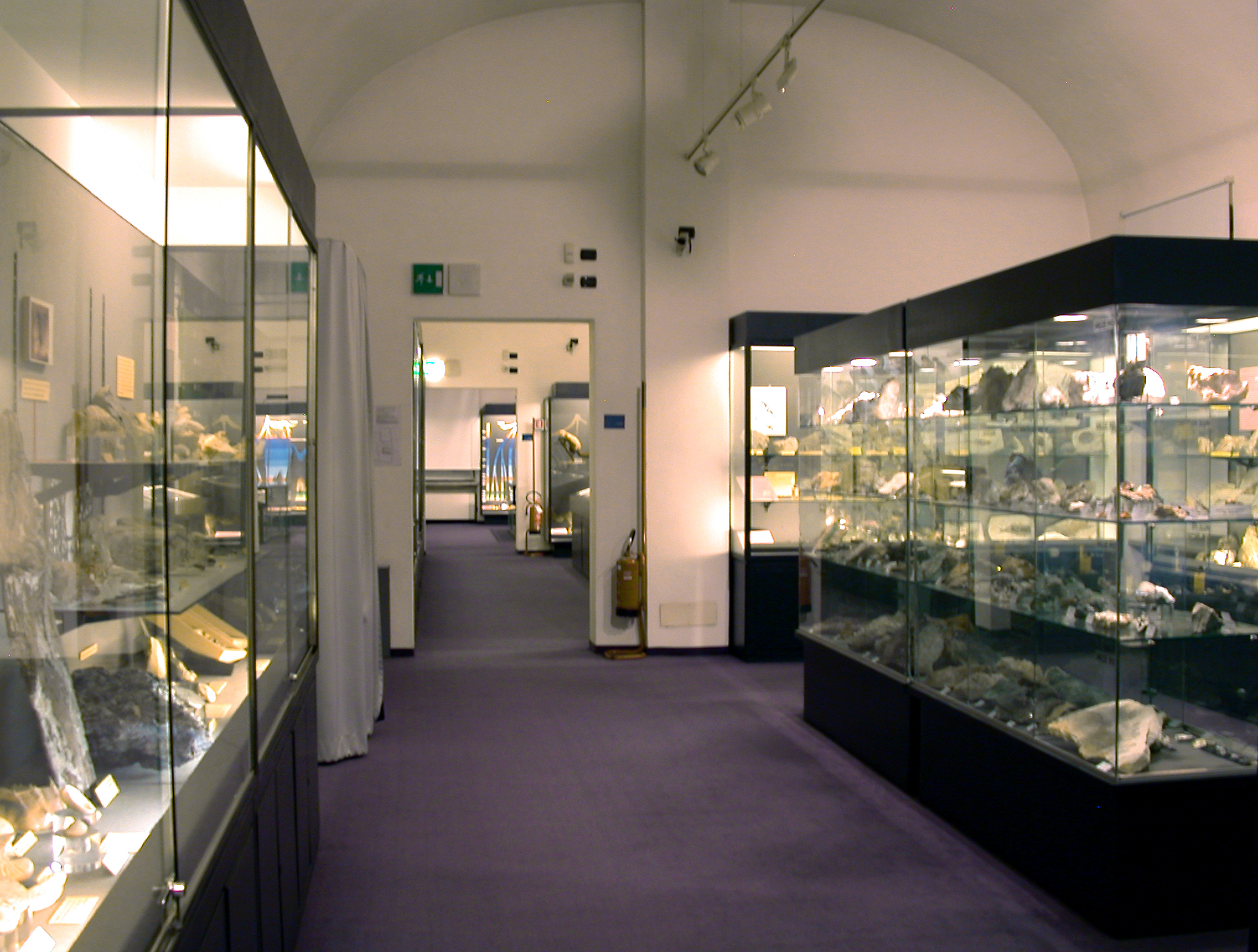
Geology: Carlo Sturani Hall
In the geo-palaeontology hall, dedicated to the palaeontologist Carlo Sturani, visitors are shown:
- the stratigraphy of the Alba area;
- its geological history;
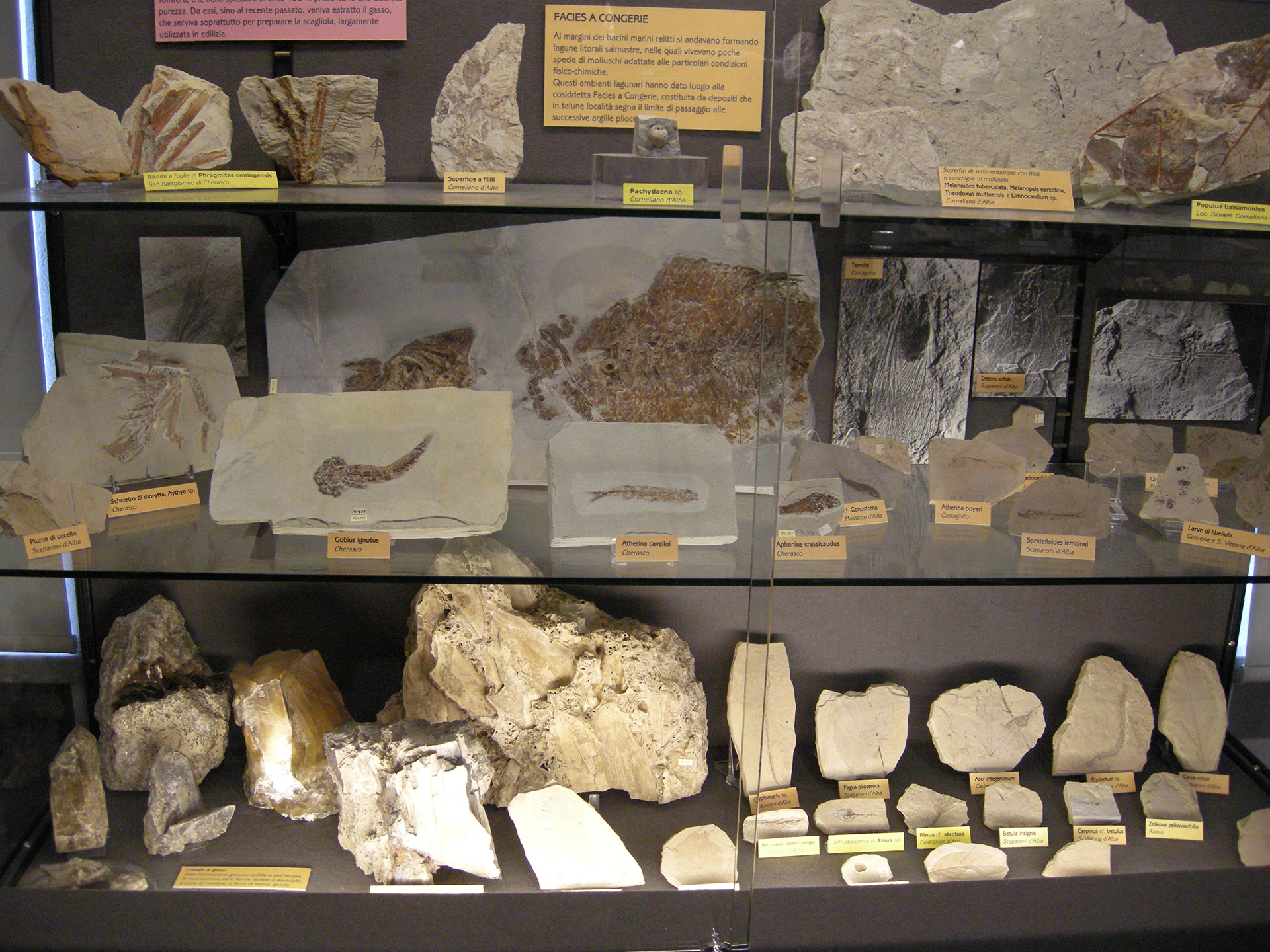
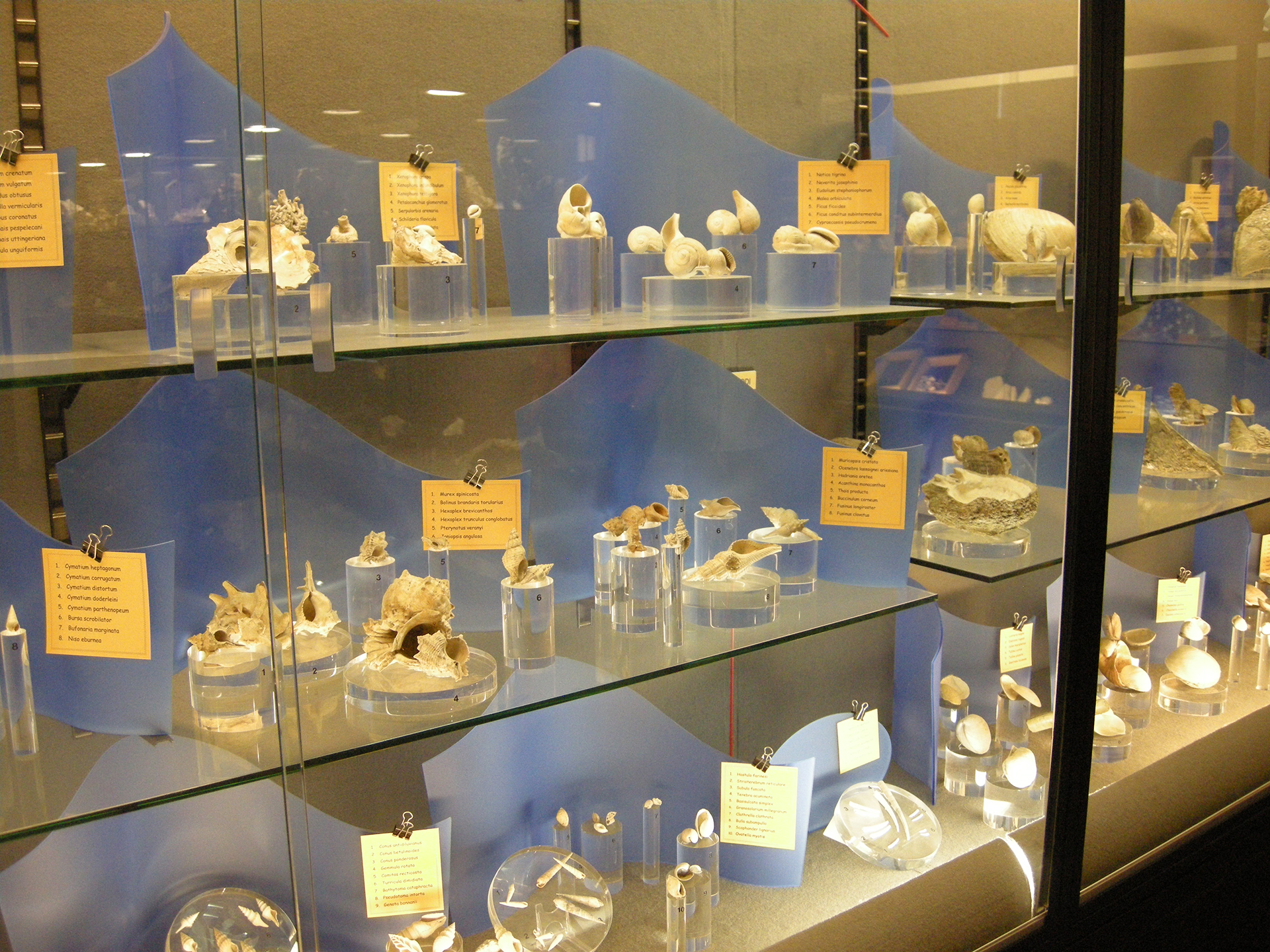
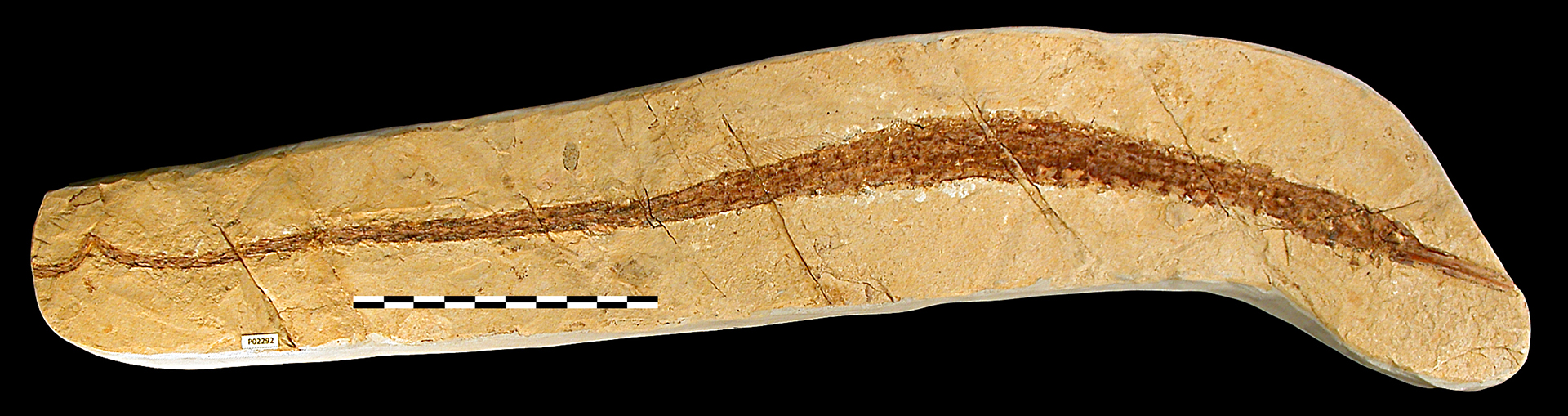
- fossils from the area, including Miocene leaves, dragonflies, sabre and needle fish, turtles, shark teeth, crabs, foraminifera, and the proboscidean Anancus arvernensis from the Villafranchian Complex of Montà
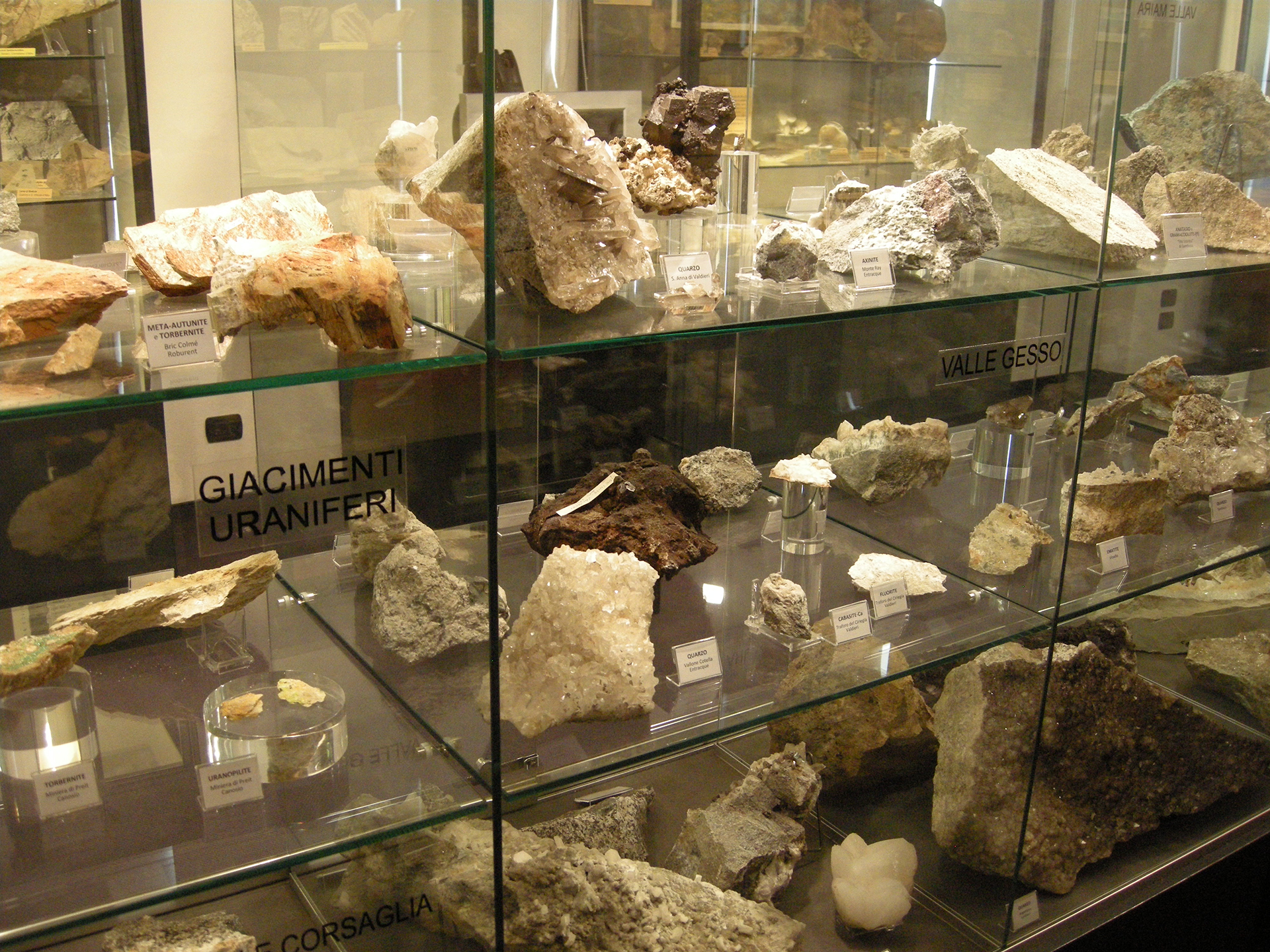
Two showcases in the heart of the hall display mineral samples from the Gian Paolo Piccoli collection, which covers a wide stretch of the Cuneo valleys, from the southern Cottian Alps to the Maritime Alps.
Hall of Large Fossil Mammals of Alba
The hall houses the following remarkable finds:
- the Albacetus salvifactus fin whale, a species new to science, dating back 8.5 million years;
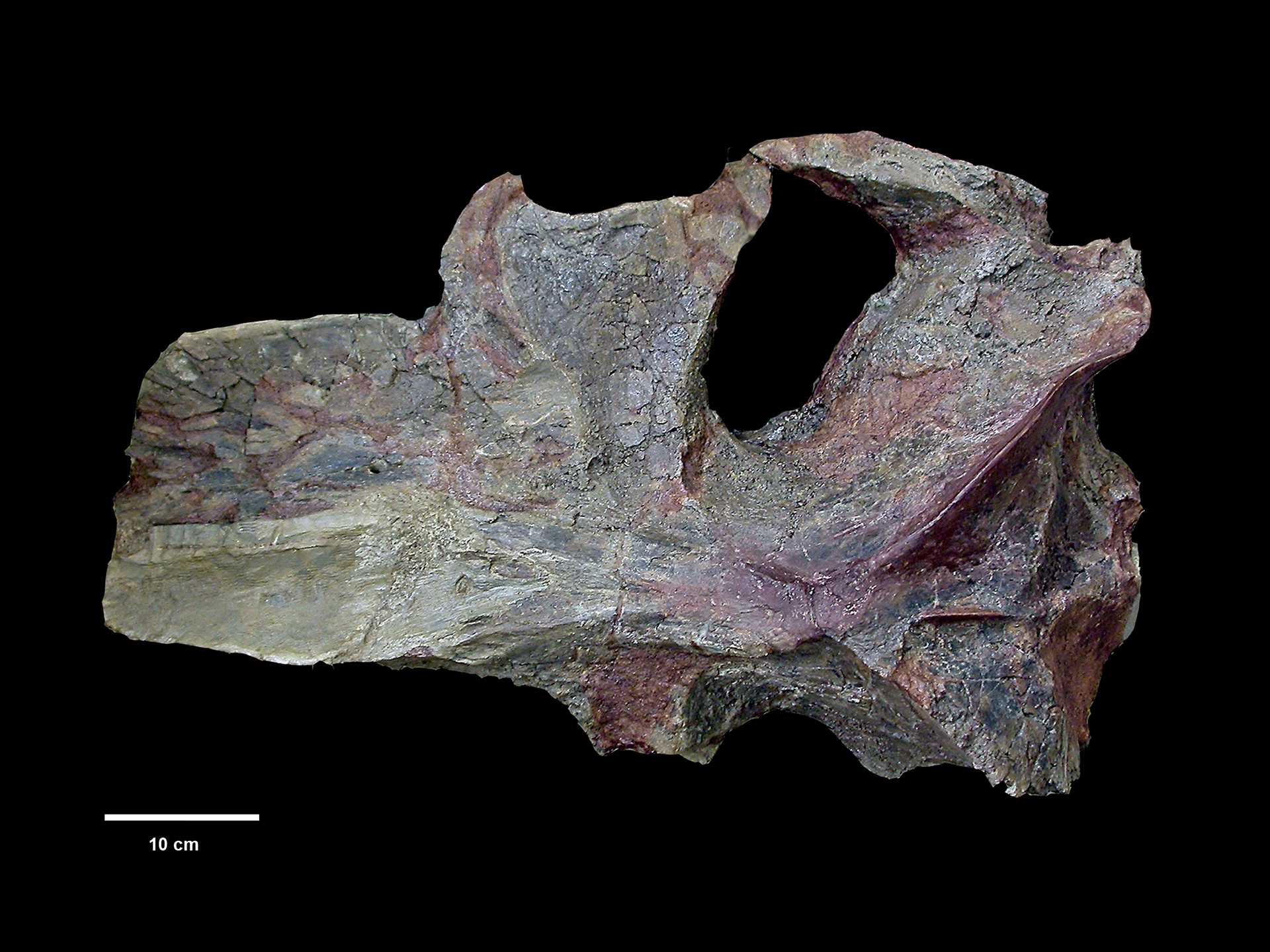
- the remains of the proboscidean Platybelodon, dating back some 5.5 million years. Although not yet been studied in depth, it appears to be new to science;
- a femur of the proboscidean Anancus arvernensis, dating back 2.5 million years.
Post-evaporitic Messinian fossil fauna Hall
The hall exhibits animals that lived in the Alba area in the Post-Evaporitic Messinian, around 5.5 million years ago.
A re-creation of the unearthing of the proboscidean Platybelodon is also displayed in the hall.
Zoology Hall
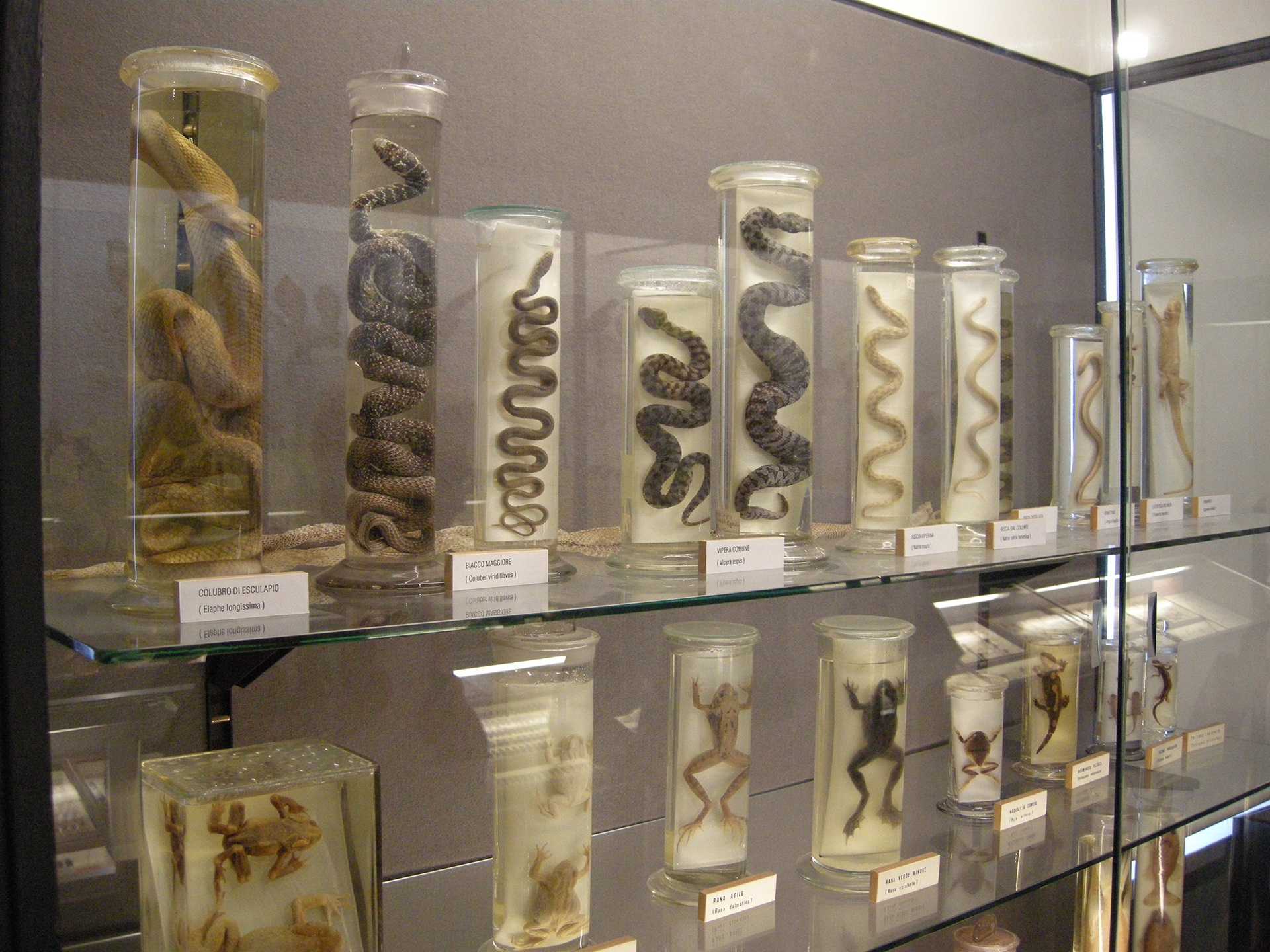
The zoology hall holds fish, land and freshwater molluscs, amphibians, reptiles and mammals.
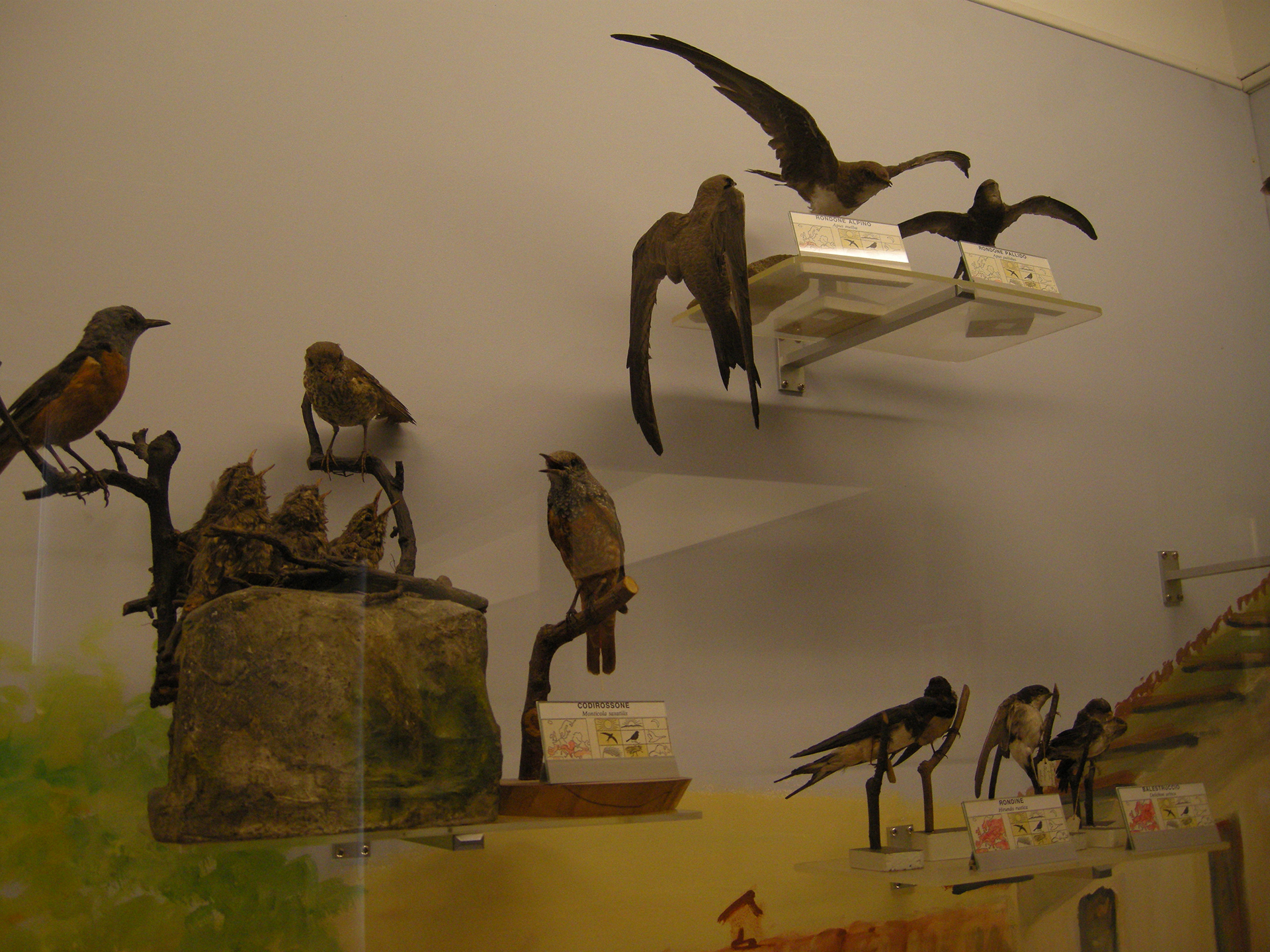
A hundred birds are displayed in a scenographic ten-metre long showcase.
Four central showcases host 56 entomological boxes displaying part of the insect collection (more than 20,000 specimens from over 2,500 species).
Botany: Giacinto Abbà Hall
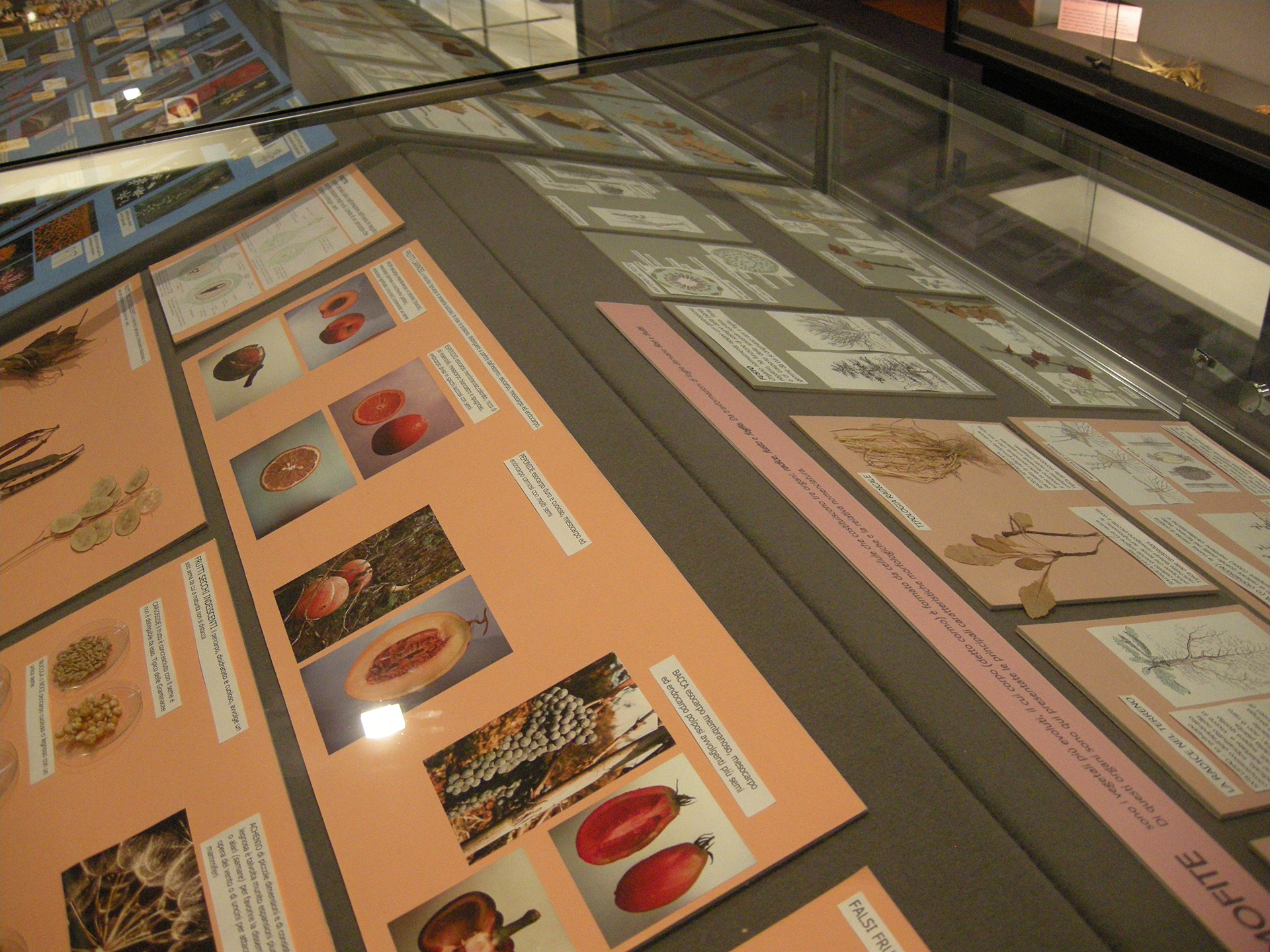
The Museum houses a herbarium with over 11,000 specimens collected by Giacinto Abbà, a priest who studied the flora of Piedmont, particularly the Langhe, between 1965 and 1998. The outcomes of his investigations are recorded in a catalogue published by the Regional Museum of Natural Sciences of Turin.
The Herbarium is registered in the Index Herbariorum, that provides a global directory of herbaria and their associated staff.
Archaeology
Alba represents a unique case in north-western Italy for the high concentration of pre-protohistoric sites that have yielded human remains and evidence of material culture.
The classic age is represented by countless archaeological finds from the Roman town of Alba Pompeia and its surrounding area.
Anthropology
The Section is made up of a Palaeopathology Centre aimed at preserving and investigating ancient human remains brought to light by excavations in Alba.
Library
The Museum Library holds approximately 2,000 volumes on archaeology, history and natural sciences.
Books are for use in the library only. They are not loanable.
The Library is a member of the Piedmont Regional Pole (Polo TO0), within the Langhe Library System.
The volumes are catalogued on the platform of the National Library Service (SBN Web).
Activities
- educational activities for schoolchildren;
- temporary exhibitions, conferences and meetings;
- collaborations with the museums of Bra, Carmagnola and Vezza d'Alba, and cultural institutions such as Friends of Federico Eusebio Museum Association and the Piedmontese branch of the Italian Society of Mycology (S.I.M.), both based in the Museum.
The Museum co-founded the Piedmont Naturalist Association in 1980; - research activities carried out by volunteer conservators and researchers;
- publishing activities, whereby the results of the Museum's research activities are published.
The natural history sections of the museum serve as a research centre and cultural hub of major importance in the regional context.
The Museum is co-publisher, together with the Natural History Civic Museums of Carmagnola and Bra, of the Rivista Piemontese di Storia Naturale (Piedmontese Journal of Natural History).
Virtual tours, videos and webinars
- Experience the Museum. Fossils at the Museum. (web YouTube)
- Experience the Museum. When collectors meet the museum. (web YouTube)
- The Museum in three minutes. Messinian fossils (web YouTube).
Gallery
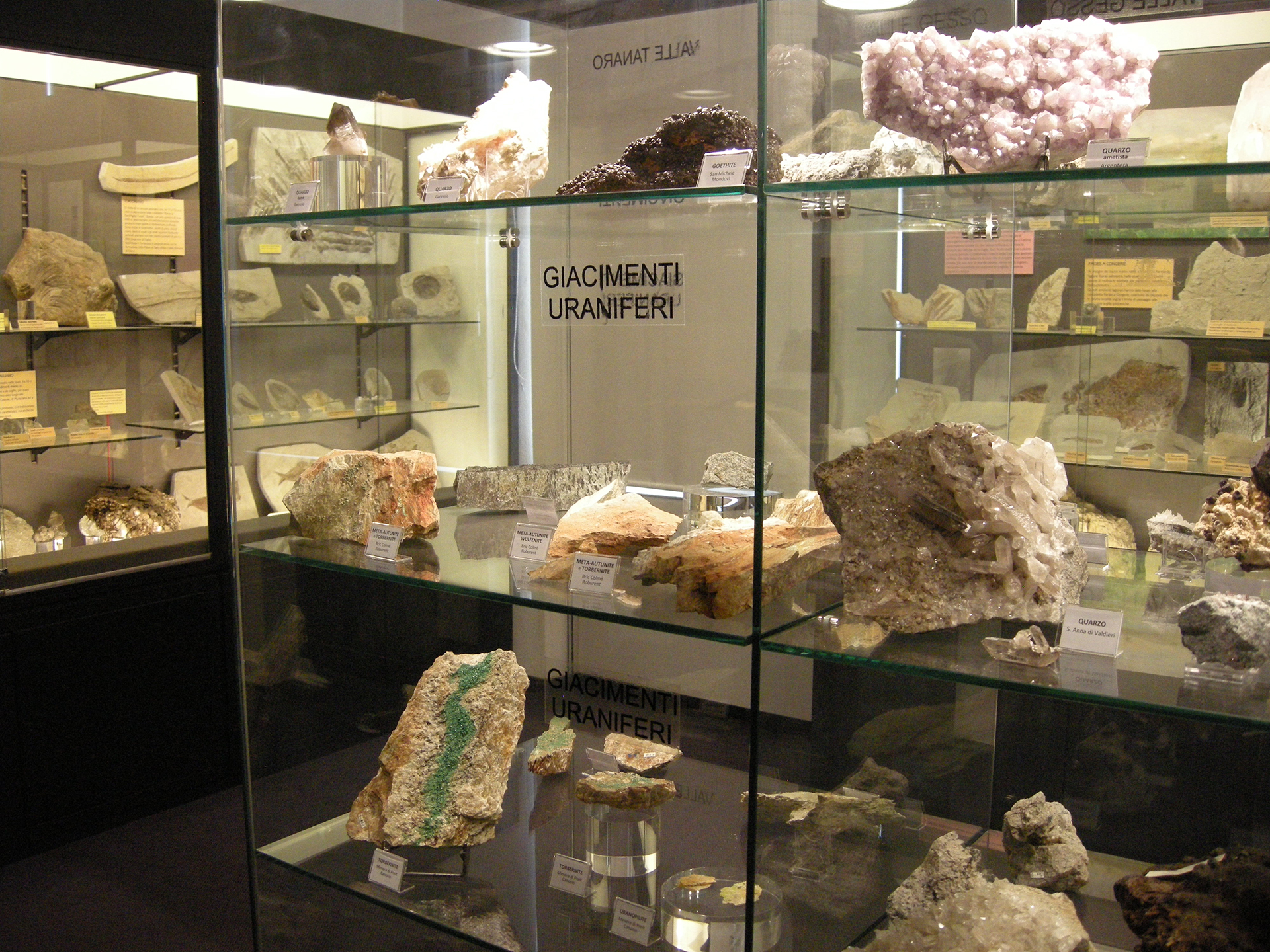
The mineral and rock showcase
The fossil showcase

How many things can one learn about the natural world? Find it all out at the Regional Museum of Natural Sciences!