Giulio Maini Palaeontological Museum
Overview
The Museum is dedicated to Giulio Maini, a fervent naturalist from Ovada, as a tribute to both his work in collecting and preserving minerals and fossils, mostly from the local area, and the dissemination efforts undertaken by the Briata-Maini family over the last decades.
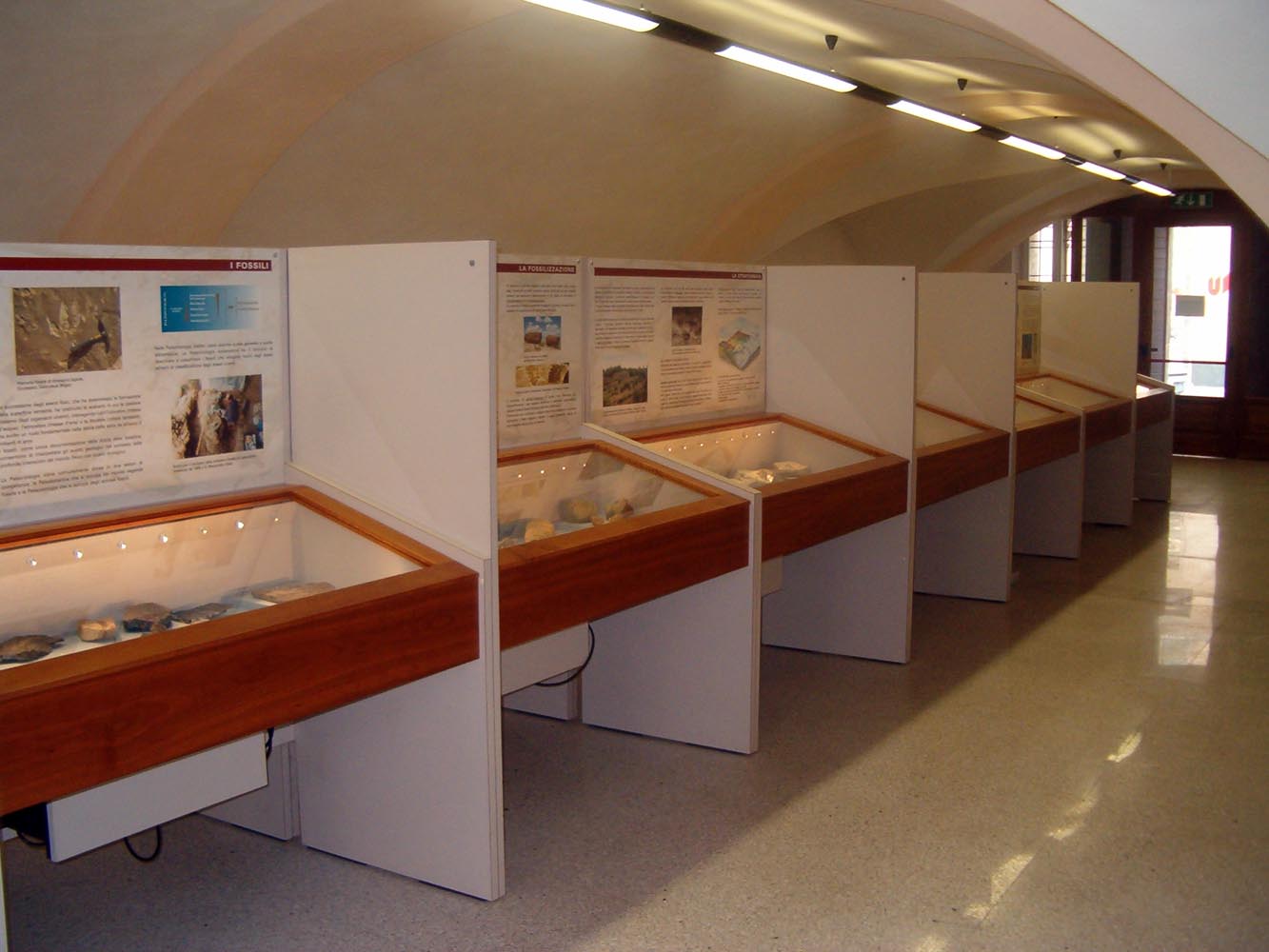
The Museum has been housed in the 14th-century church of Sant'Antonio di Ovada since 2003.
Having been renovated in the 18th century, it was interdicted for worship in 1840, after being used as a lazaret during a cholera epidemic. It was converted into a prison in 1882 and remained so until 1989.
The exhibition blends scientific value and strong didactic character.
It is therefore a reference point for students, researchers and palaeontology enthusiasts.
Duration of the visit: about 50 minutes.
Collections
The Museum houses over 2,000 well-preserved specimens from different geological ages.
Special attention is paid to specimens of fossil fauna and flora from the Ligurian-Piedmontese Apennines, mainly from the tropical stretch of sea known as the Piedmont Tertiary Basin.
The main collection includes fossils from the Tertiary Basin of great scientific relevance, such as:
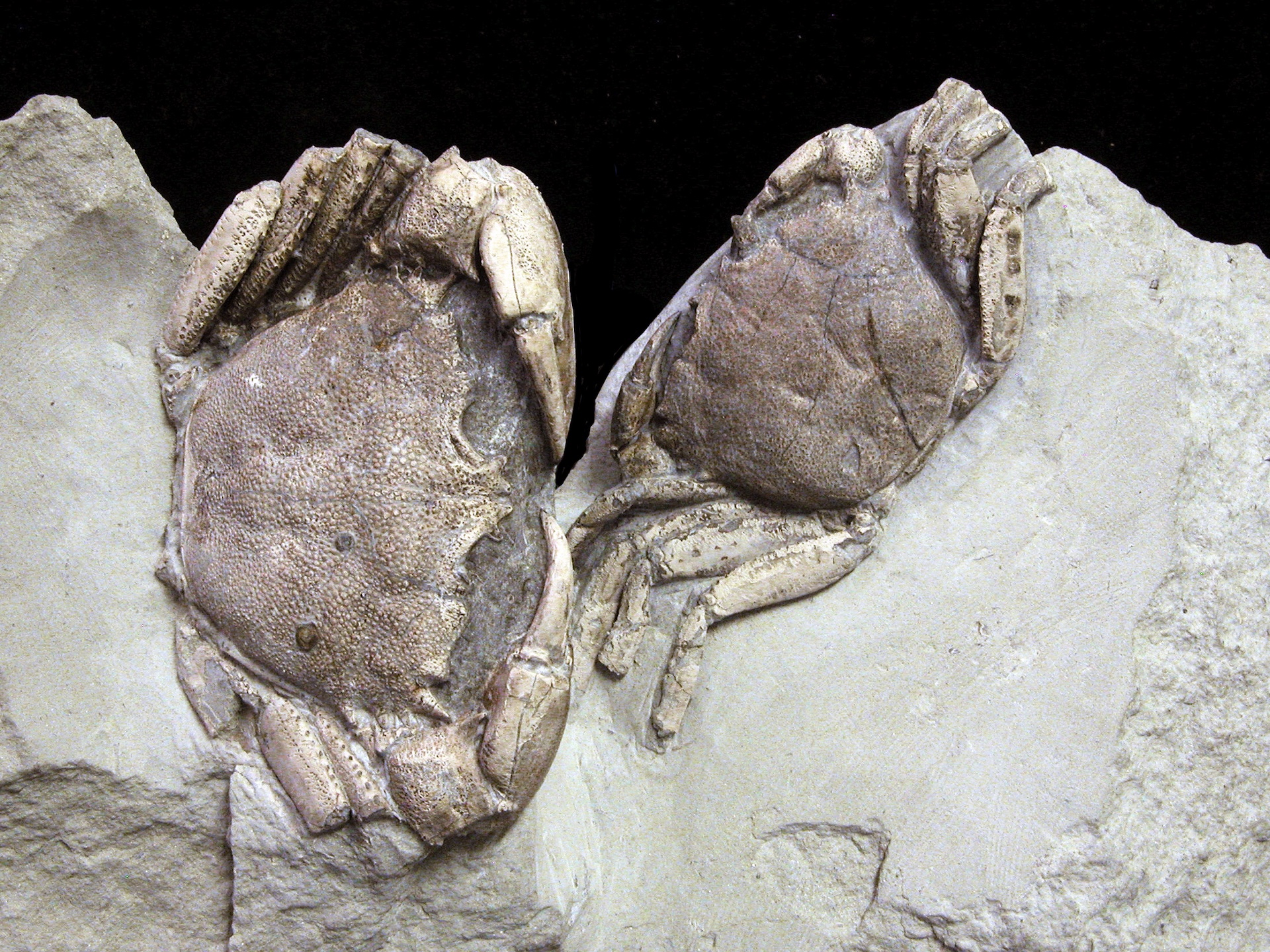
- collection of fossil crabs, which have made this area well-known for its palaeontological uniqueness, due to the presence of rare species such as Calappilia mainii, named after its discoverer;
- collection of plant remains, with representative and descriptive samples of Oligocene palaeoflora.
The first floor of the building houses educational workshops with exhibition areas intended for displaying the mineralogy and malacology collections and a number of showcases for temporary exhibitions.
Standing out among the minerals is a section dedicated to those from the Alessandria and Liguria Apennines, including samples of noteworthy aesthetic and scientific value.
The section dedicated to modern-day shells, about 250 specimens, offers an overview of the major types of molluscs from around the world.
Activities
The Museum provides:
- lectures;
- workshops;
- educational activities;
- promotional activities.
Gallery


How many things can one learn about the natural world? Find it all out at the Regional Museum of Natural Sciences!