Herbarium of the University of Turin
Overview
Herbaria are unique museums: they keep records of the worldwide flora through dried plant specimens.
They are archives where finds bear witness to studies, investigations and explorations that have made a contribution to shape our knowledge of the plant world over time.
The Herbarium of the University of Turin, with nearly one million specimens, provides evidences of:
- the early stages of botanical studies in Piedmont;
- the cultures of the University Botanic Garden;
- the collections carried out over the course of the earliest botanical expeditions outside Europe;
- the early stages of the Piedmont flora inventory up to the latest in-depth analysis and studies.
Visiting the Herbarium leads along the following thematic pathways:
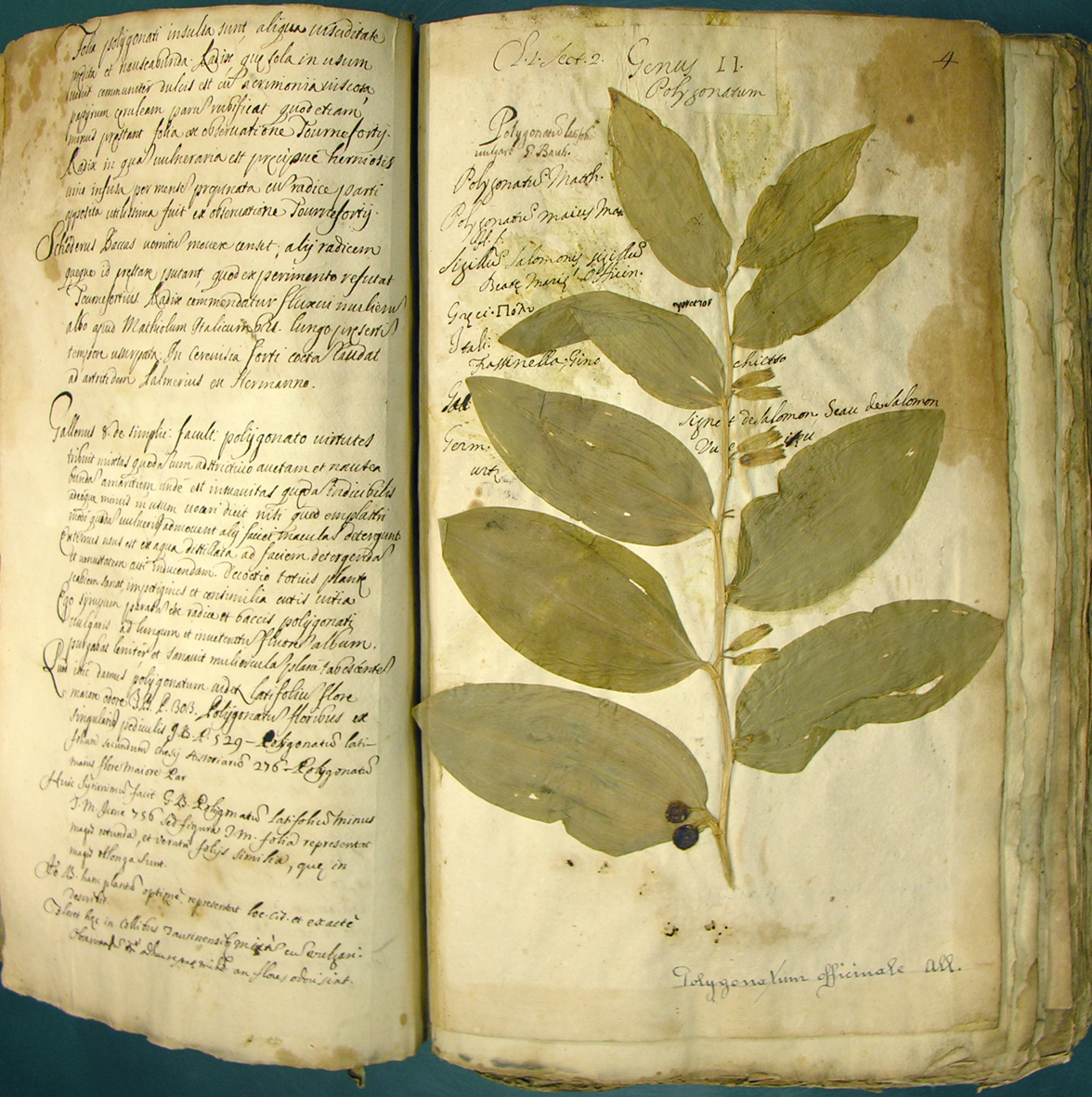
- history of herbaria. From late 17th century collections of medicinal plant agglutinates to more recent ones recording the spread of invasive alien species;
- floristic studies that led to the inventory of the flora of the Sardinian-Piedmontese Kingdom from the second half of the 18th to the 19th century;
- exploration voyages by Italian botanists who discovered the flora of Latin America in the 19th century and East Africa in the first decades of the 20th century.
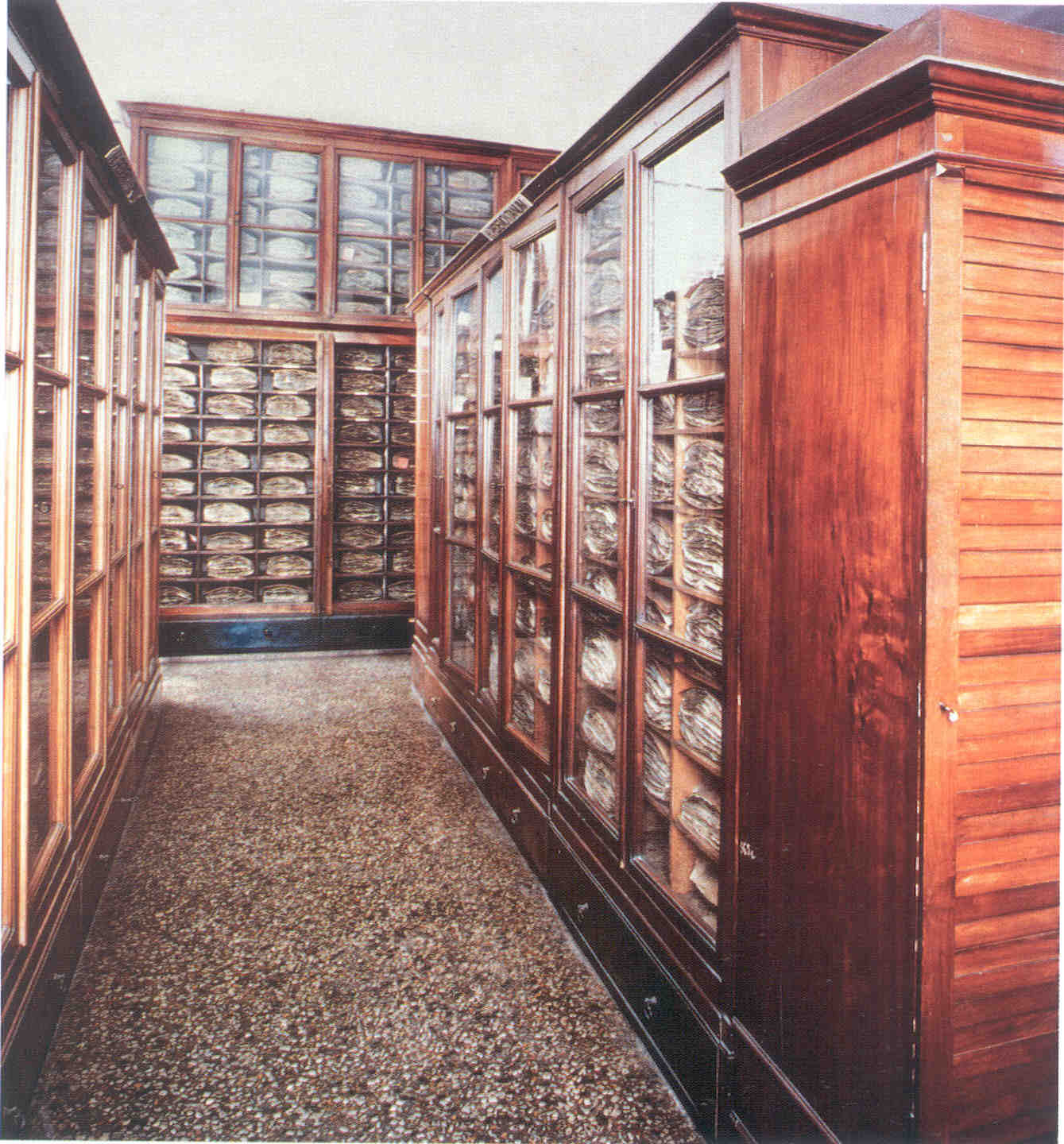
The Herbarium is a part of the Dbios, the Department of Life Sciences and Systems Biology of the University of Turin. It is located in a 19th-century building adjoining the Botanic Garden.
Duration of the visit: approximately one hour.
Collections
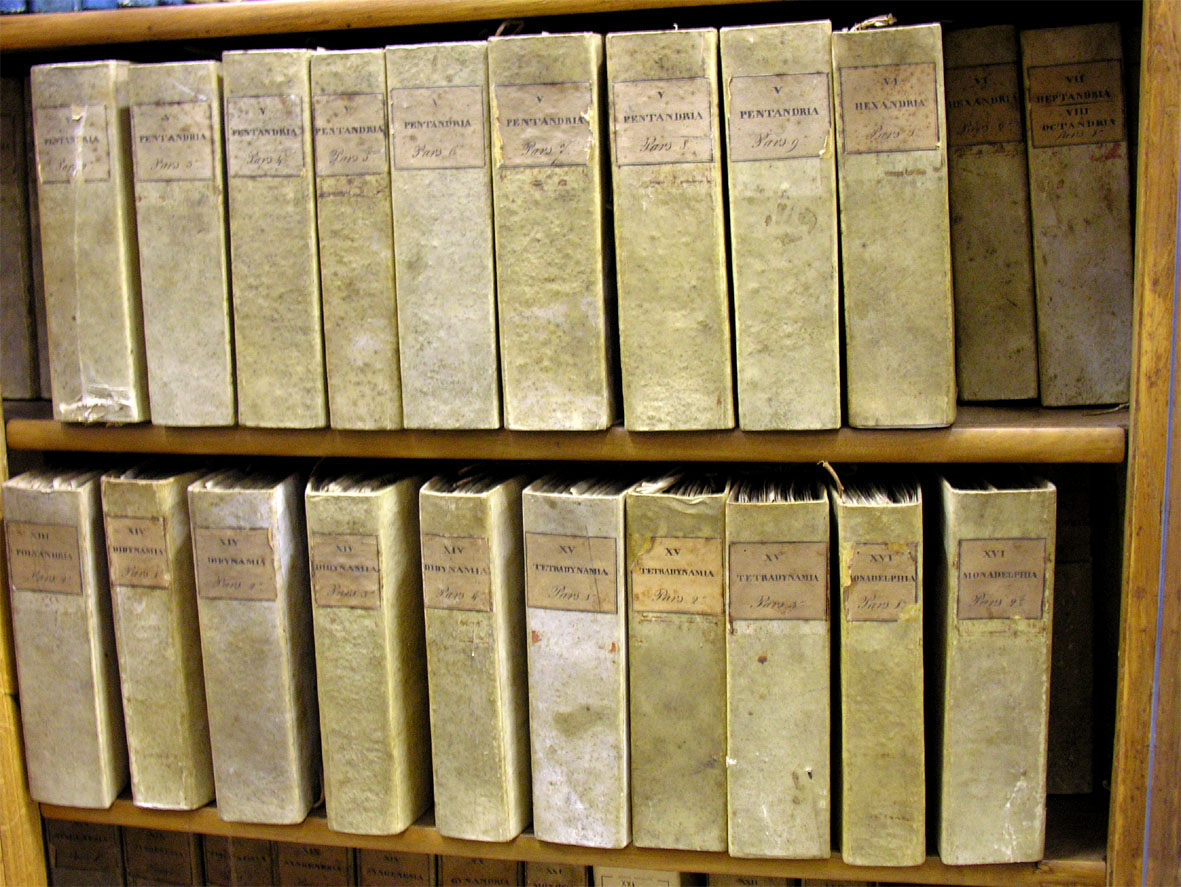
The Herbarium is arranged according to the late 19th century approach.
Exsiccata are organised in two sections: Phanerogams and Cryptogams.
The Phanerogamic Herbarium consists of two large open collections still being enriched:
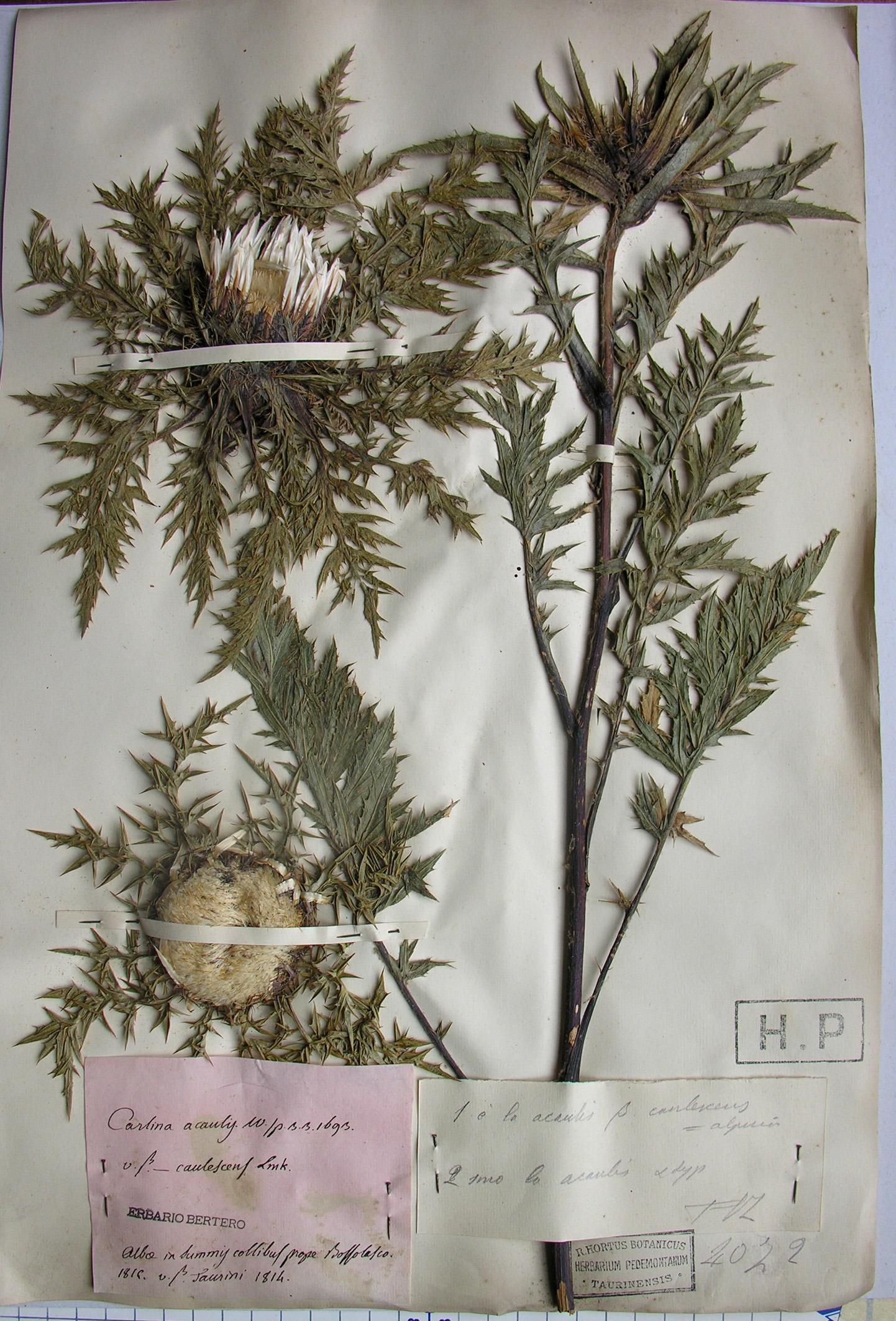
- Herbarium Pedemontanum (TO–HP), featuring finds from Piedmont and the Aosta Valley;
- Herbarium Generale (TO–HG), with material from the rest of Italy and the world.
Cryptogamic collections are classified by systematic groups:
- algae;
- fungi;
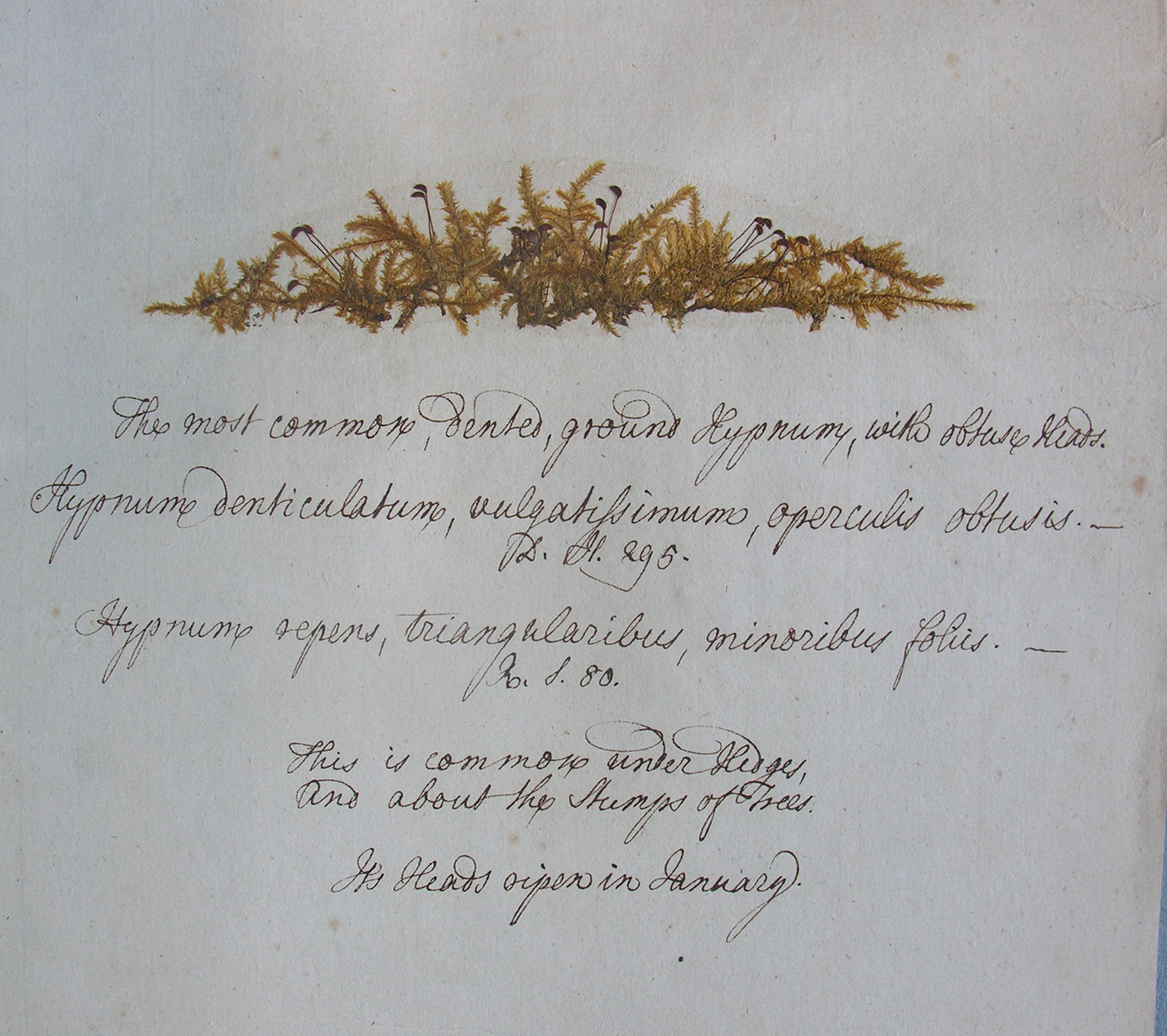
- mosses;
- lichens.
The open collections are supplemented by some closed ones of historical and scientific relevance, such as the herbaria by:
- John Hill (1716–1775);
- Lorenzo Terraneo (1677–1714);
- Carlo Francesco Allioni (1728–1804);
- Ludovico Bellardi (1741–1826);
- Giovanni Giacinto Moris (1796–1869).
The Herbarium also holds the following unique collections:
- the carpoteque: fruits,
- the spermatotheca: seeds;
- the xylotheque: woods;
- the lichen-petrographic collection.
Library
The library, which serves as a reference for the Herbarium, is located in the DBios Department.
It holds quite a number of documents related to the exsiccata collections stored in the Herbarium, including books, manuscripts and a variety of archival documents.
Access to documents is allowed on site during opening hours.
Activities
The Museum provides:
- the chance to examine the dried specimens;
- guided tours for groups, limited to a maximum of 12 participants per group.
When school visits take place, students are divided into groups; - guided tours during the Week of Scientific and Technological Culture and the Fascination of Plants Day;
- events.
Gallery
![Senecio thurifer Bertero [Robinsonia thurifera Decaisn]. Dried specimen. Luigi Colla Collection (1766 – 1848) – TO – General Herbarium](/media/original_images/Senecio_thurifer_Bertero_Robinsonia_thurifera_Decaisn.jpg)
How many things can one learn about the natural world? Find it all out at the Regional Museum of Natural Sciences!