Lake and Mountain Tactile Museum of Natural Sciences
Overview
The Museum displays the naturalistic and environmental features of the area, lying between Lake Maggiore and the mountains.
It provides a unique way of visiting, based on a tactile, olfactory and auditory approach.
All the exhibits can be touched; thus they can be seen with the hands.
A background soundtrack, with sounds of nature and animals, guides the visitor along the whole route.
It is housed in the mezzanine floor of the town's former primary school.
It covers an area of over 200 square metres.
On the outer wall of the building one can see the museum's mascot painted: a huge, funny owl.
While winking one eye, it beckons visitors by saying: Try to close one eye, maybe both, and you will still be able to discover the beauty of nature in our museum.
The Museum is located in a small hamlet in the municipality of Trarego, within a residential area surrounded by the woodlands typical of the Upper Verbano mountainside.
It is included in the Alto Verbano – Unione del Lago Maggiore Museum Network, within the territory of the Sesia Val Grande Geopark UNESCO.
No architectural barriers.
Collections
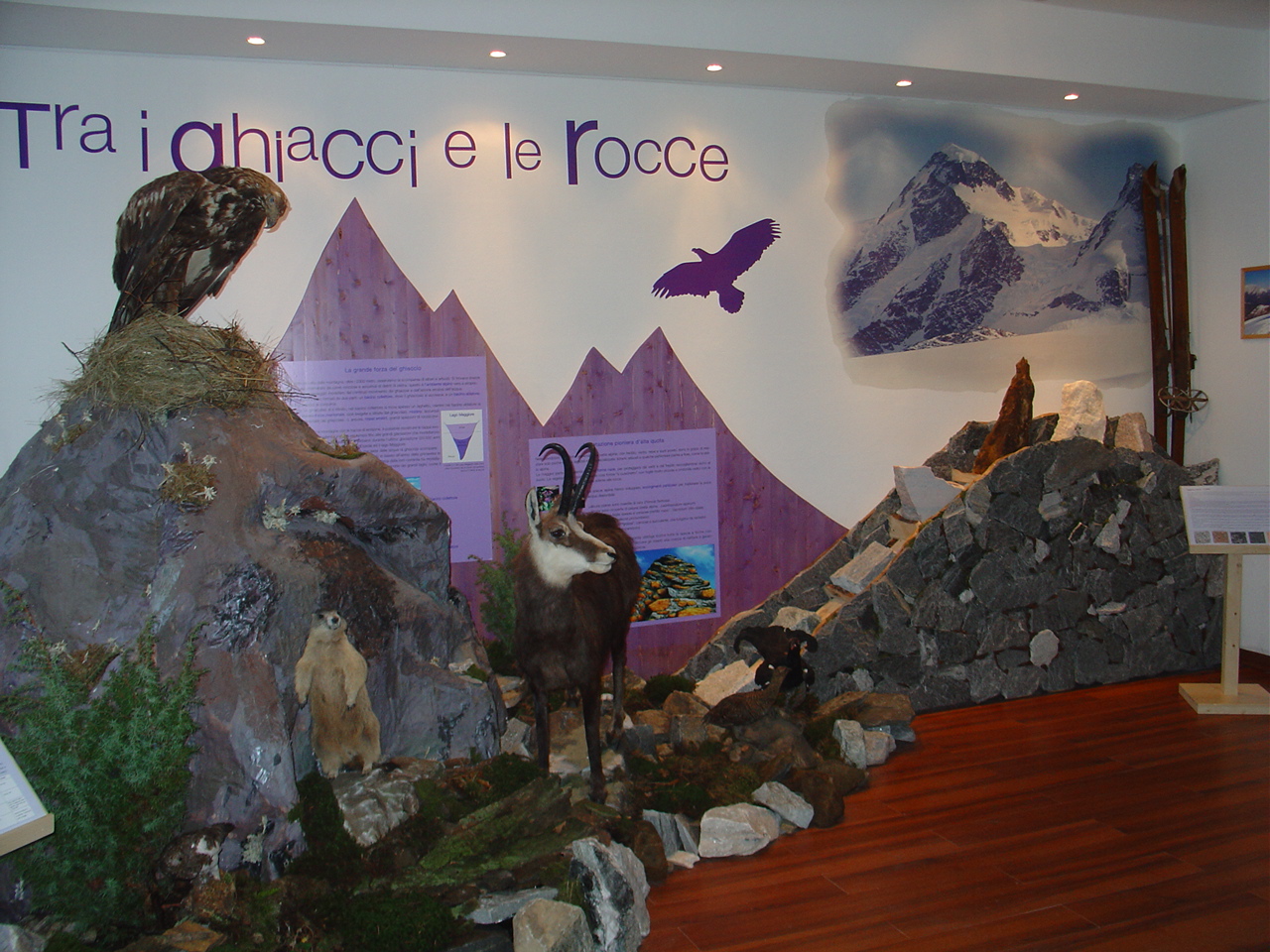
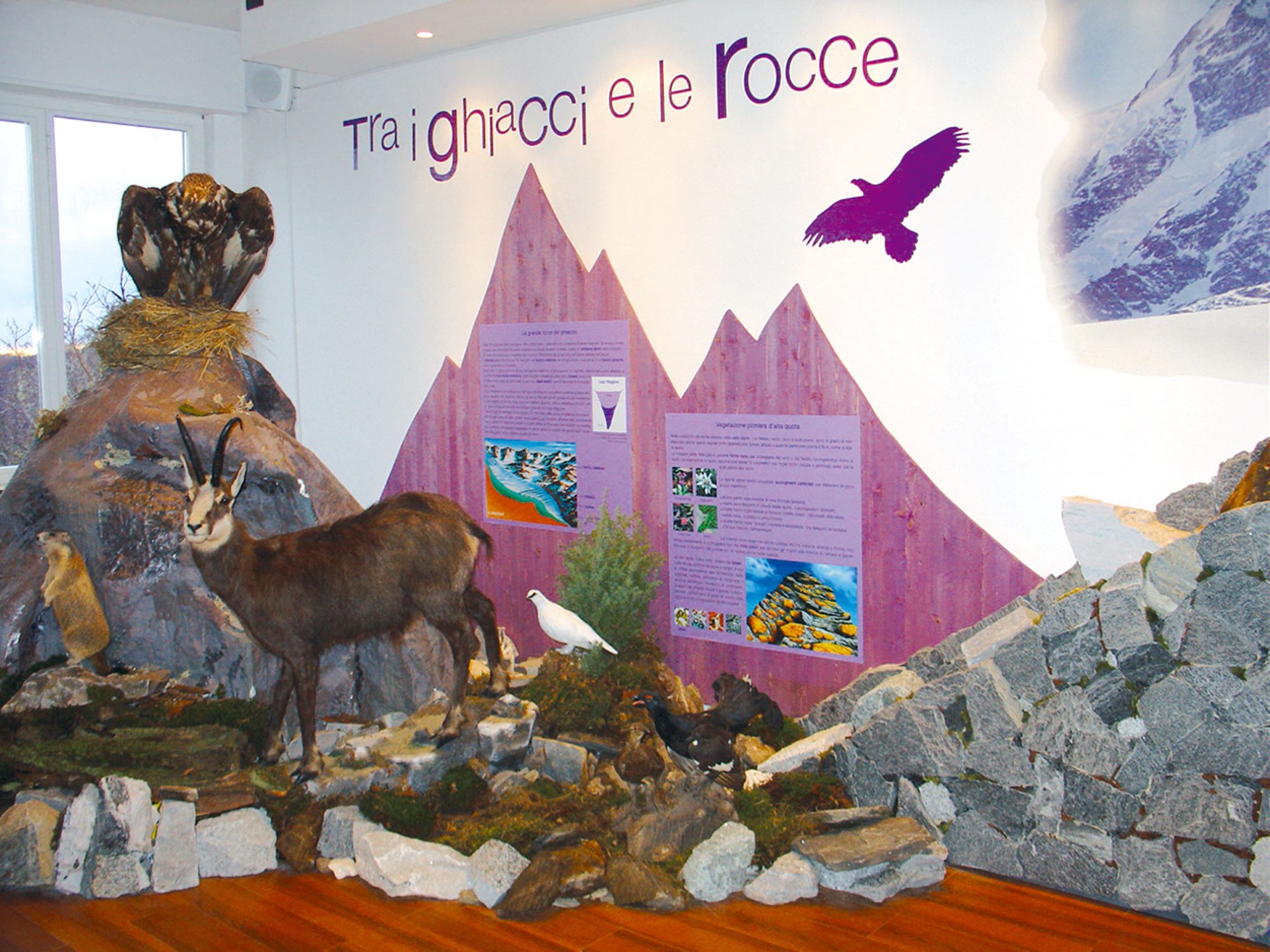
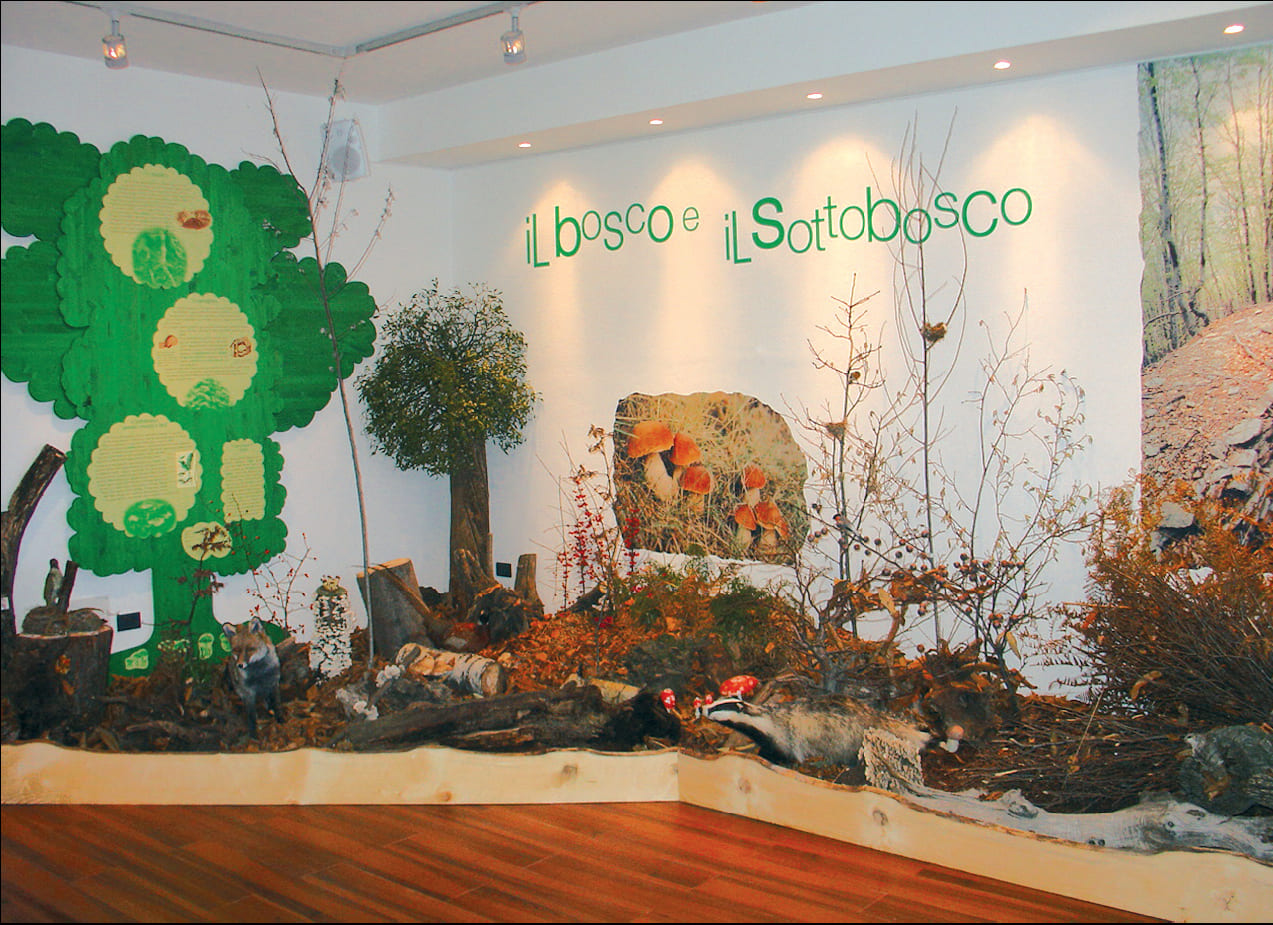
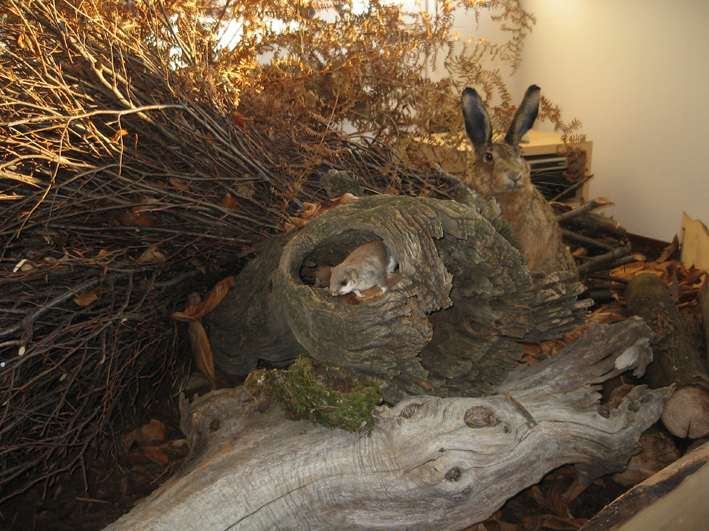
The museum route is divided into dioramas, which offer reconstructions of natural environments through live plants, naturalised animals, natural elements such as rocks, fruit, berries, wood, nests, eaves, and anthropic elements:
- alpine pasture: tools and items depicting the relationship between man and the mountain environment;
- beehive: products and tools to process them;
- high mountains: typical vegetation and animals and some of the most significant rock samples;
- hill woodland: beech and chestnut trees, foxes, badgers, diurnal and nocturnal birds;
- lacustrine reed thicket: typical vegetation and fauna.
Activities
The Museum provides:
- educational workshops for students, summer camps and reception centres for people with disabilities;
- nature-themed cultural events;
- events to mark the National Day of Families at the Museum (F@Mu day), on the second Sunday of October.
The Museum cooperates with a number of organisations and professionals working in the field of nature: farmers, cooperative society dealing with environmental studies and consulting services and manufacturers
Gallery
How many things can one learn about the natural world? Find it all out at the Regional Museum of Natural Sciences!