M.A.G.M.A.X: ASTENSE MUSEUM OF GEOLOGY, MINERALOGY, MINING ART, CRYSTALLOGRAPHY
Overview
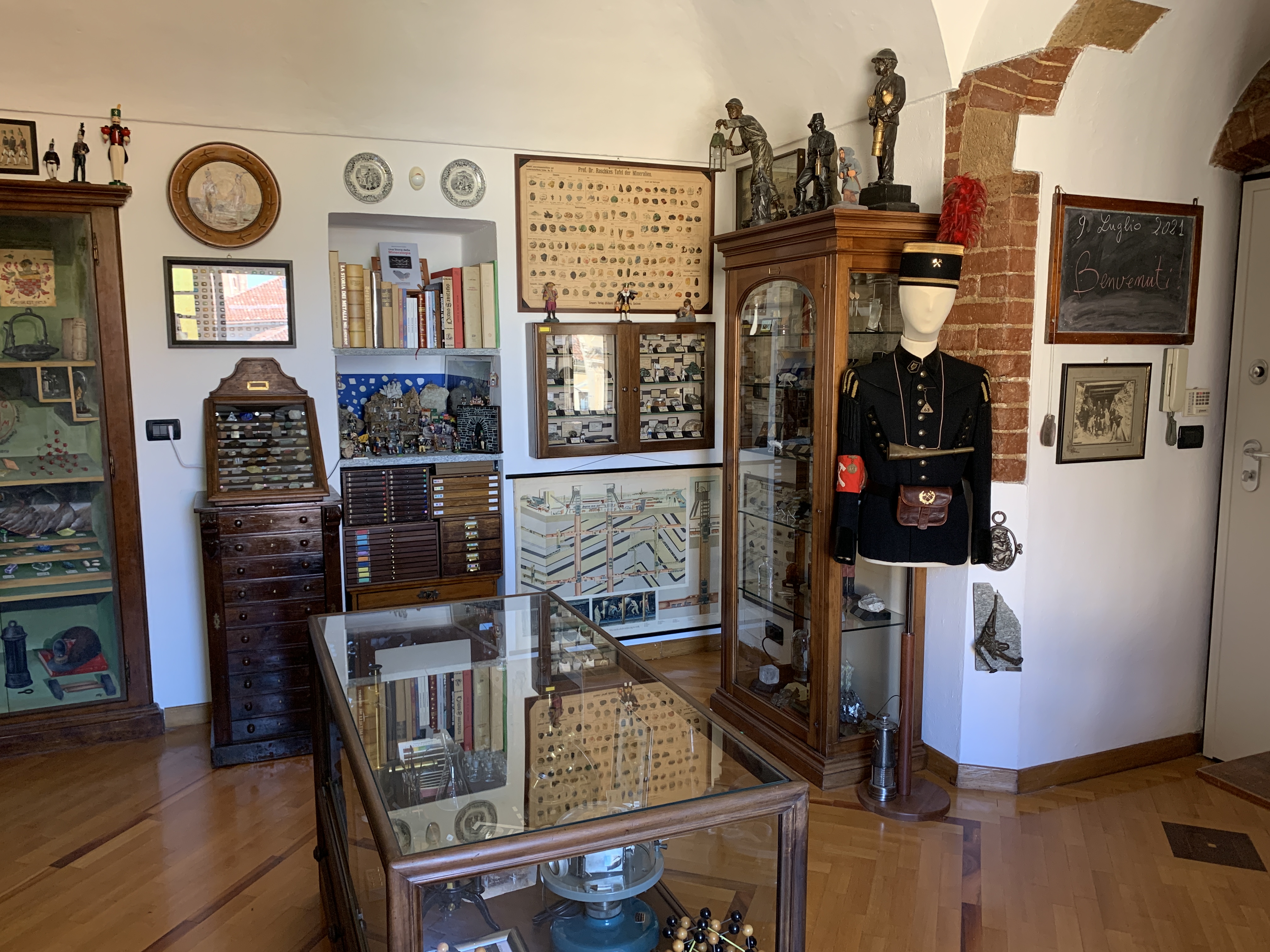
The M.A.G.M.A.X Museum provides an instant all-round view of the mineral and mining world, displayed from a naturalistic, scientific, historical, artistic and social point of view.
The permanent exhibition deals with different thematic areas:
- nature: forms and colours of the Mineral Kingdom. Valuable and rare minerals;
- science: tools for studying, discovering and classifying the mineral world;
- history: the history of Earth Sciences through the classifications of minerals and rocks and man thousand-year relationship with mineral raw materials;
- cosmos: minerals and rocks from the depths of the Earth to the Moon and beyond into science fiction;
- culture: arts and crafts. Mineral resources at the service of ingenuity and technology. Miners' work.
Young visitors are entertained with a tour full of surprises, unexpected experiments, games, toys, dioramas, comics and a few jokes.
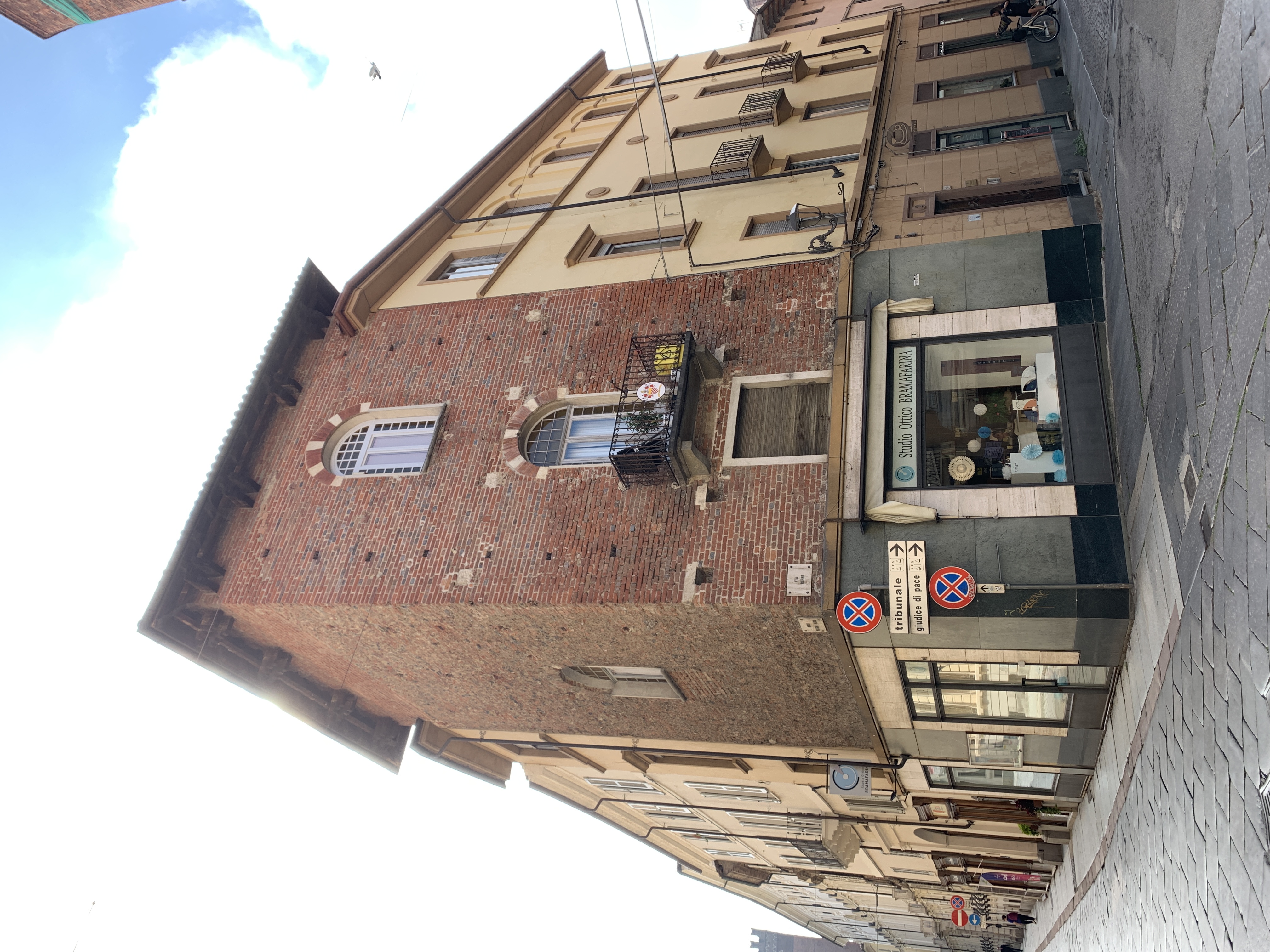
The museum takes up the top floor of the 14th-century Uberto De Regibus Quartero tower, in the medieval heart of Asti.
Duration of the visit: about 60 minutes.
Guided tour in: Italian, English, Spanish, French.
Collections
Minerals and rocks. Remembrances from the underground and the cosmos
- Minerals of all colours and shapes.
- Single and paired crystals in aggregates and twins.
- Famous diamonds and fakes.
- Minerals collected in the six S.K.E.T.C.H. classification systems.
- Rocks and minerals from the depths of the earth and outer space.
- The periodic table of minerals.
- The Earth's crust in four drawers.
- Minerals in history.
- Industrial minerals and ingots.
- The diamonds of Jews fleeing the Nazis.
- A healthy use for tobacco: mineralogical collections in cigar and cigarette boxes.
- The world's smallest mineralogy collection.
Mineral arts. Minerals and man
- Tools, clothing, personal items and furnishings of miners from all over the world.
- Original specimen of the Davy-Faraday lamp and other more mysterious lamps.
- Dioramas of famous mines.
- Toys inspired by the mining art.
- The world's smallest mines.
- Authentic and complete uniform of a Korner miner.
- Glass and porcelain: indirect gifts from the Mineral Kingdom.
- Copper and gold: direct gifts from the Mineral Kingdom.
- Telephone located 650 metres down in the coal mine.
- Child miner's helmet from the Ruhr.
- Miners' crib in a mine.
Tools and Crystallography. The mineralogical investigation
- From blowpipe to spectroscope: unravelling the chemical ingredients of minerals.
- From contact goniometer to theodolite goniometer: studying the shape of crystals.
- From microscope to X-ray diffractometer: uncovering the structure of minerals.
- Pocket field microscope and portable chemical laboratory.
- Minerals under examination: hardness, radioactivity, fluorescence, magnetism.
- Crystallographic models in wood, glass, Plexiglas and metal wire.
- Journey into the atomic structures of diamond, graphite and fullerene.
- Articulated models of twin crystals.
- The smallest and oldest geometric models of crystals ever made with user manual.
Books, prints, photos and documents. Mineralogy on paper
- Reproductions of the oldest Earth Science books.
- Lithograph illustrating the longest paper miner's parade in history.
- A volume of Diderot and D'Alembert's Encyclopedie (1756) with hand-watercoloured mineral plates.
- Manuscripts by renowned and anonymous mineralogists.
- Statutes of ancient mines and mining stocks from all over the world.
- 19th-century reprint of the 13th-century Lapidary.
- Snapshots of women in the mines: from China to the former Soviet Union.
- The last photograph of the Excelsior diamond just before it was cut.
Stamps and Coins. Philately and numismatics
- Example of the first stamp devoted to the Mineral Kingdom.
- Example of the first stamp depicting miners.
- Example of the international stamp symbolising mining.
- Coins of the Free State of Katanga.
- Daily banknote of Chinese miners.
- Example of the first Italian medal dedicated to a mine.
- US half-dollar minted with Californian gold rush.
- Medals including a piece of meteorite
- Ancient coins and medals engraved in the lava of Vesuvius.
Films, comics and figurines. POP Mineralogy
- Mineralogy DVD: Film history from Buster Keaton and Charlie Chaplin to Harrison Ford and Leonardo Di Caprio.
- An autographed frame from the film Journey to the Centre of the Earth.
- An example of the original poster from the film Journey to the Centre of the Earth.
- Strips and comics on mining/mining topics from all over the world: Michey Mouse, Tex, Superman, Martin Mystere, Zagor, Blueberry.
- Specimen of the first Italian strip dedicated to gold.
- Specimen of the statue of Diabolik with emerald.
- Unglued Liebig and Lavazza figurines dedicated to mineralogy.
- Unglued figurines illustrating famous diamonds.
Activities
The Museum provides and supports:
- educational activities for schools;
- the M.A.G.M.A.X Association, which offers its members free use of the Mineralogical Library next to the Museum and attendance of mineralogy courses for young people and adults;
- single-topic temporary exhibitions on various topics relating to the Earth Sciences;
- lectures, book presentations and film forums;
- M.A.G.M.A.X. publications;
- Outside the Tower: film screening and ensuing panel discussion of experts, organised with the annual International Film Festival in Asti which takes place on the last Friday of November.
Gallery
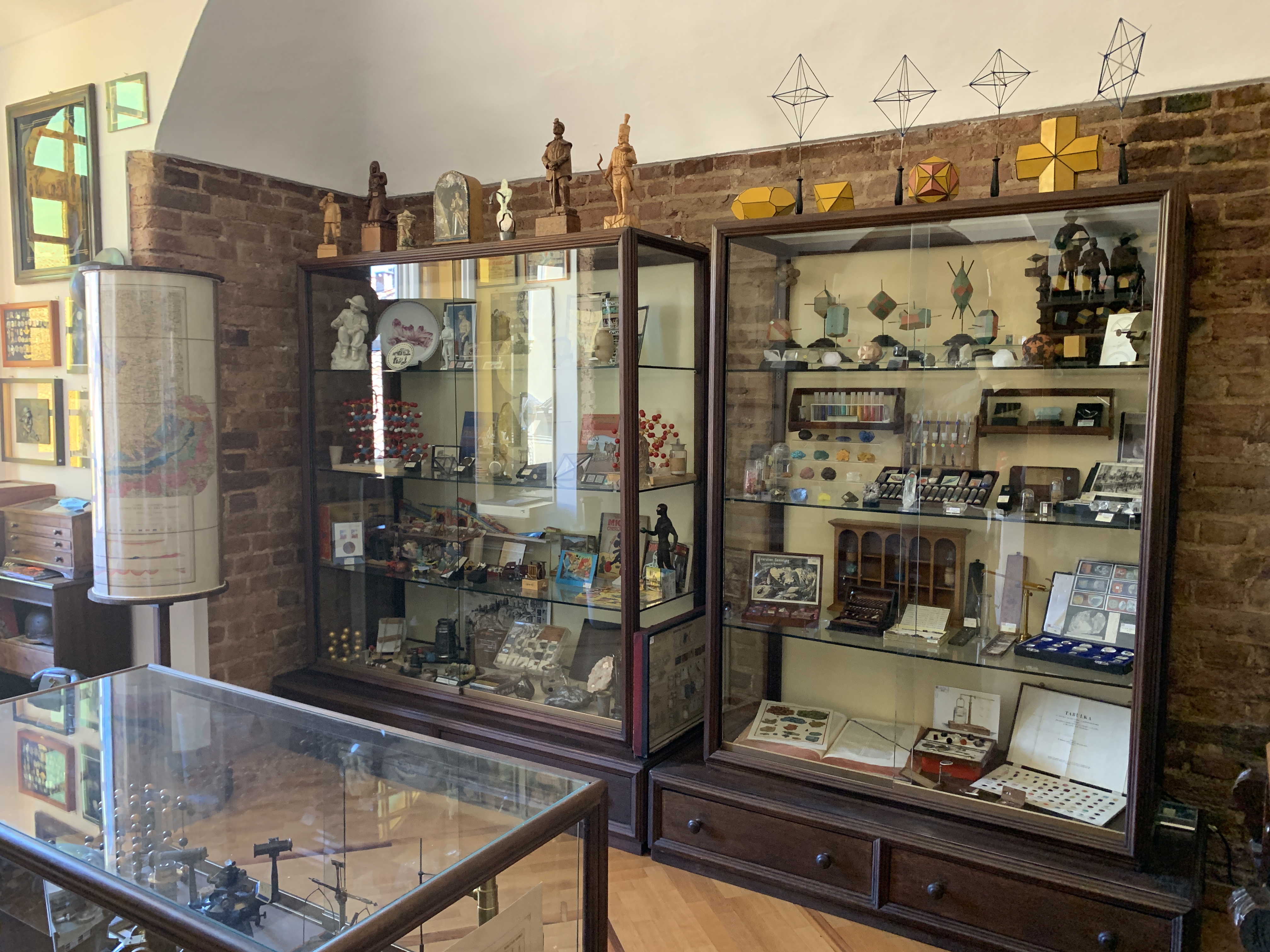
How many things can one learn about the natural world? Find it all out at the Regional Museum of Natural Sciences!