Mu-Sa Federico Sacco Geological Museum
Overview
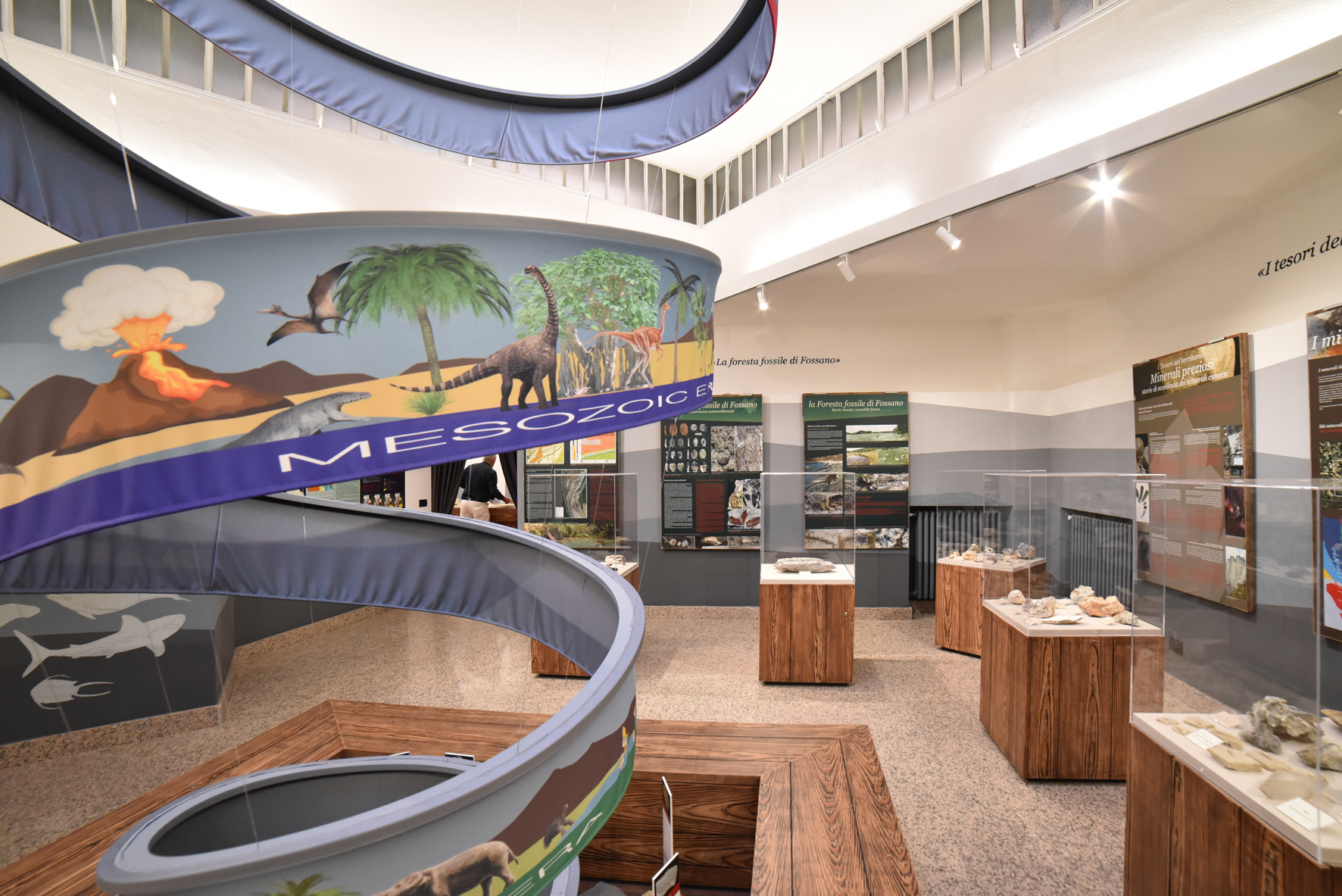
The Geological Museum Federico Sacco provides an overview on the geology of the province of Cuneo and the Italian-French Alpine region.
The museum hosts:
- samples of Cuneo and Alpine minerals;
- ores from different origins;
- lapilli and lava bombs samples, as a symbolic bond between the Alpine territory of Cuneo and the primeval volcanoes that were the fathers of Monviso, at a time when its rocks formed part of the ocean floor;
- fossil remains from the Langhe and Roero;
- finds of Pliocene wood, leaves and ancestors of today's land snails found in the Stura stream, belonging to the Fossano fossil forest. The site is an ancient coniferous forest that cyclically comes to light as the stream floods. It is the oldest Italian site where fossil-rooted trees have been found.
Technological solutions making the visit engaging:
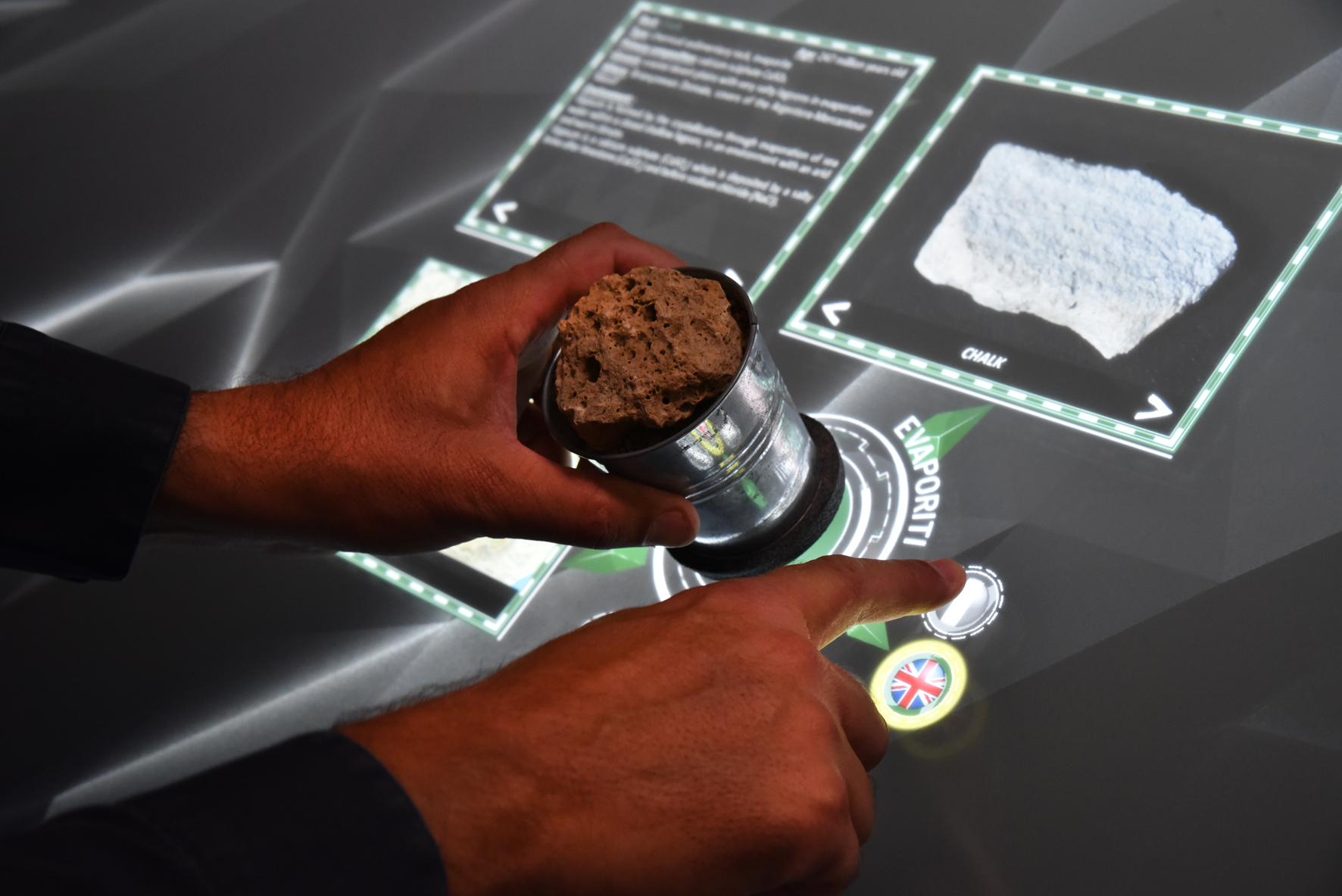
- an interactive table that enable visitors to explore:
- the texture of some typical rocks of the Cuneo province;
- geological overviews of the Cuneo province;
- photos shot by Federico Sacco and Édouard Alfred Martel, the founder of modern speleology;
- two screens with 3-D representations of minerals and fossils;
- a large screen projecting informative geological and geo-touristic mini-documentaries;
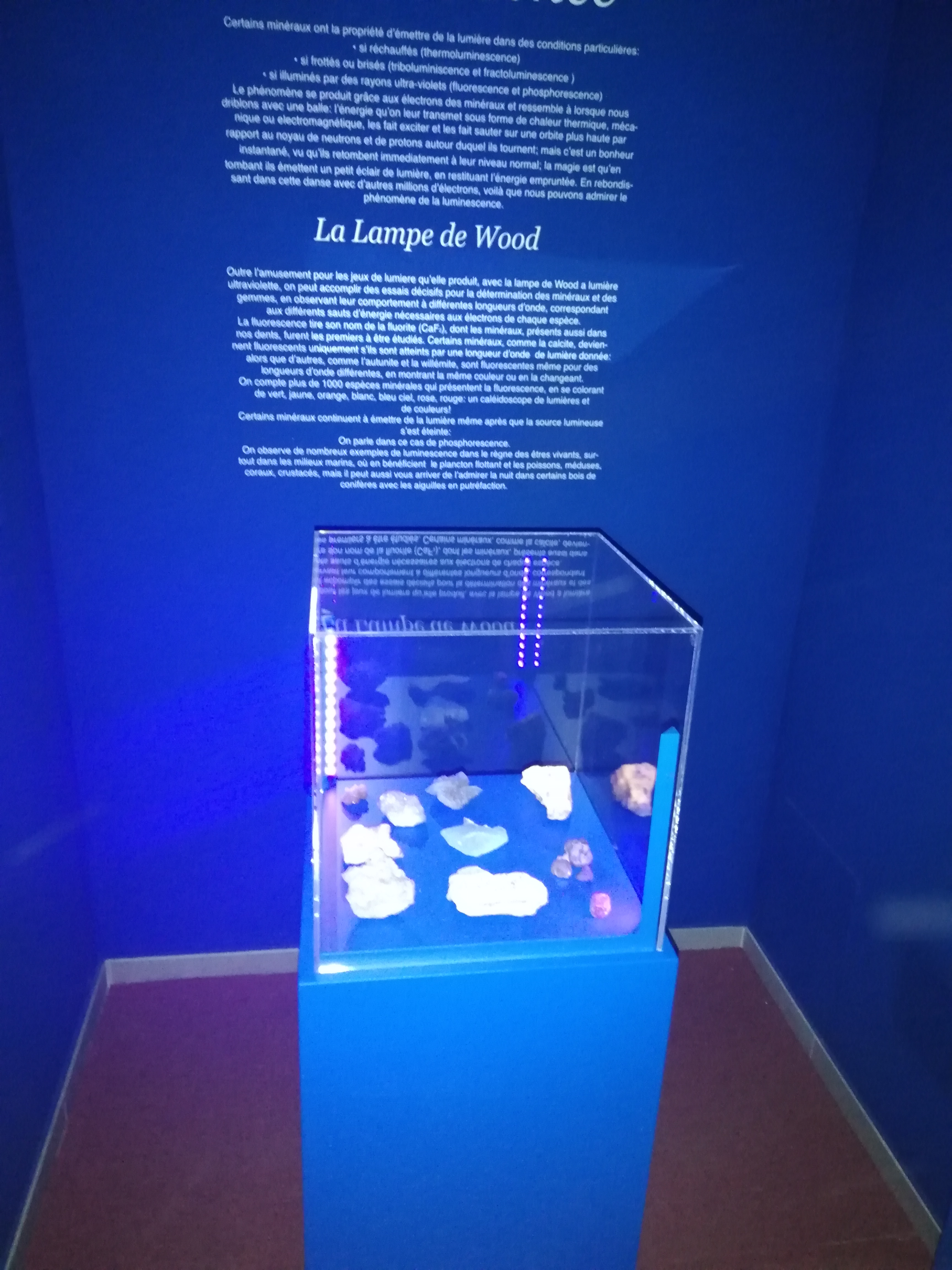
- a tiny room for fluorescent mineral observation;
- a teaching room with an interactive multimedia whiteboard.
The museum's holdings are constantly being increased through:
- exchanges;
- purchases;
- loans from different institutions;
- research in the area are undertaken by mineral enthusiasts, in collaboration with the museum.
Visitors can access the museum remotely to:
- enjoy a virtual tour with clear readability of the information panels;
- search through the mineral database, portrayed with photos and information sheets;
- log in to the museum library and download texts, if freely accessible, or ask for consultation, when copyrighted.
No architectural barriers.
Collections
Palaeontology Collection
The exhibits are loaned from the Department of Earth Sciences of the University of Turin.
They describe the Piedmont Tertiary Basin, extensively studied by Federico Sacco.
From the Oligocene to the Pliocene, the marine fauna is represented by:
- single and colony corals;
- large bivalves;
- gastropods;
- fish;
- a fossil crab from Myocene.
As far as the continental environment is concerned, much attention is paid to:
- fossil wood from Fossano, Govone, Stura di Lanzo, Vezzano sul Crostolo;
- phyllites;
- terrestrial gastropods.
Large mammals on display that populated the area:
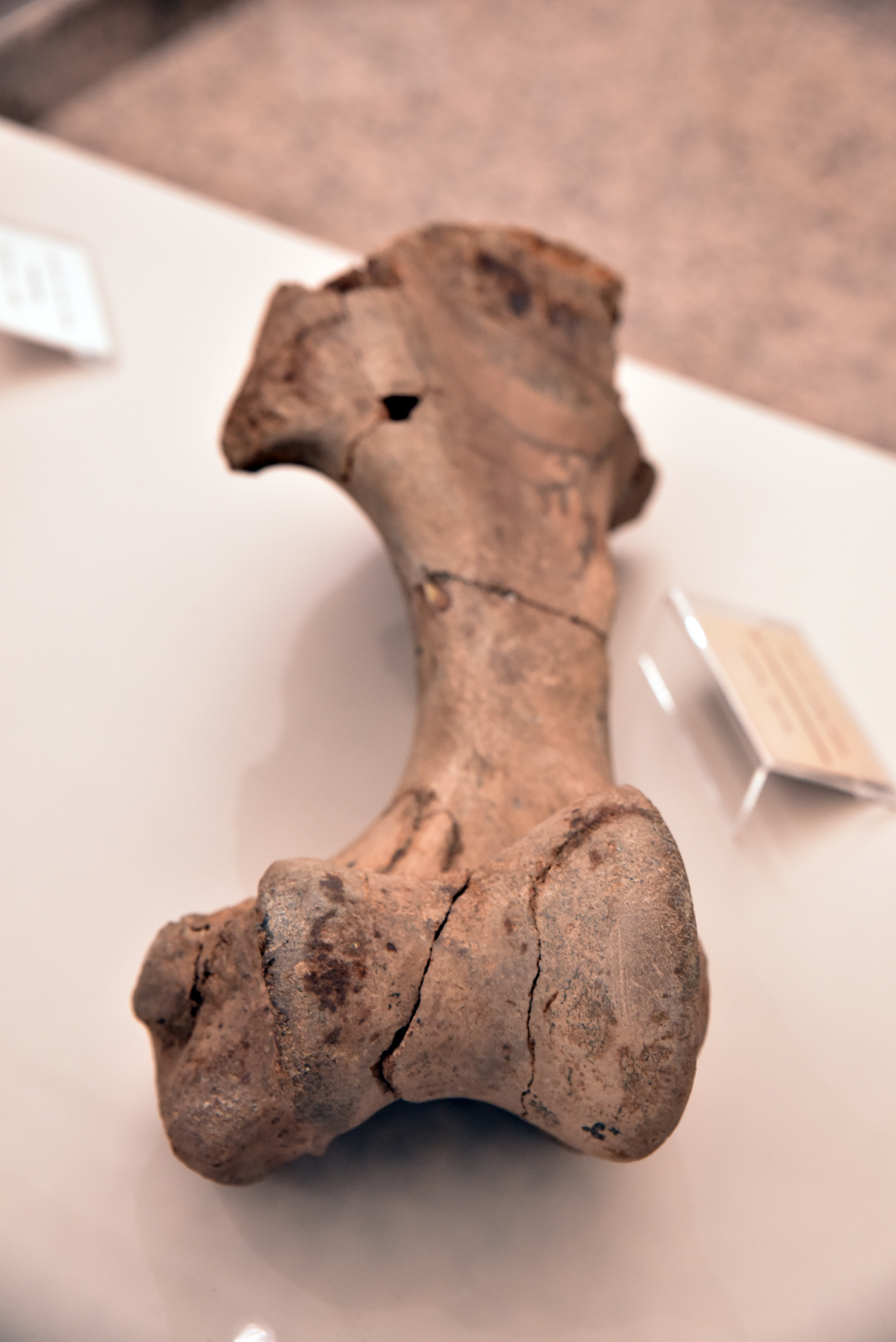
- a rhinoceros humerus;
- remains of Ursus spelaeus.
Mineral collection
A few showcases are dedicated to minerals from the province of Cuneo.
These include:
- the pyrope of the Gilba valley, which originated from the tectonic upheavals following the uplift of the Alps and the sinking of a fragment of continental crust 120 kilometres deep;
- the azurite of Monterosso Grana, the witness to an epic and ill-fated gold rush at the beginning of the 20th century;
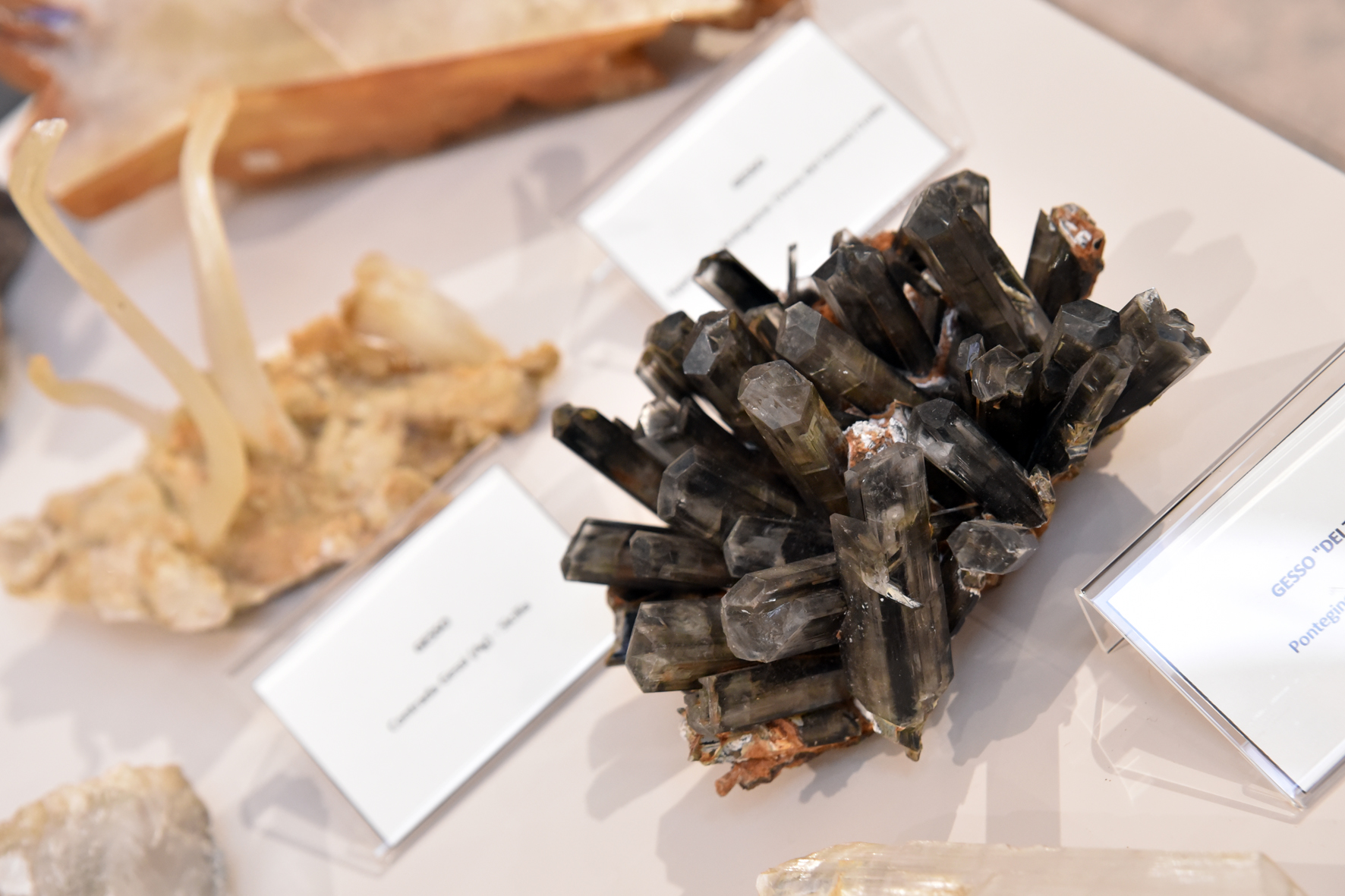
- a number of minerals from around the world, displayed according to aesthetic criteria.
Petrography Collection
The section on display is dedicated to volcanic materials, mainly from Sicily.
It ideally ties together the great volcanoes of the present with relict volcanism, still visible today in quite a number of structures of the Monviso complex.
Library
The museum has a small library, inventoried and included in the search engine of the institutional website of the Federico Sacco Foundation.
All texts can be accessed and downloaded, wherever possible, for free.
A section of the material is about volcanoes.
Activities
The Museum provides:
- educational activities and guided tours;
- events intended for families;
- hikes and walks to seek out the fossil forest;
- temporary exhibitions, conferences, meetings.
The Museum is in partnership with:
- a number of scientific institution;
- the Gesso - Stura River Park.
Virtual tours, videos and webinars
Gallery
How many things can one learn about the natural world? Find it all out at the Regional Museum of Natural Sciences!