Oropa Botanical Garden and Environmental Records Centre
Overview
The Oropa Botanical Garden and the Environmental Records Centre are located within the Sacro Monte di Oropa (Sacred Mount of Oropa) Special Reserve.
The Sacro Monte di Oropa is recognised by UNESCO as a World Heritage Site. It is part of the serial site of the Sacri Monti (Sacred Mounts) of Piedmont and Lombardy.
The Sacri Monti (Sacred Mounts) consist of groups of chapels and other architectural complexes erected in high-ground locations from the late 16th to the 17th century, intended for pilgrimage and other purposes related to the Catholic spiritual tradition.
The serial site consists of nine Sacred Mounts: Sacro Monte di Varallo, Sacro Monte di Orta, Sacro Monte di Crea, Sacro Monte di Oropa, Sacro Monte di Belmonte, Sacro Monte di Ghiffa, Sacro Monte di Domodossola, Sacro Monte di Varese and Sacro Monte di Ossuccio.
Oropa Botanical Garden
The Garden is a part of the WWF Italy Oasis System.
It is owned by the Oropa Sanctuary and managed by WWF Oases and Protected Areas of Piedmont ETS.
It is included in the official list of areas of high botanical interest of Regione Piemonte.
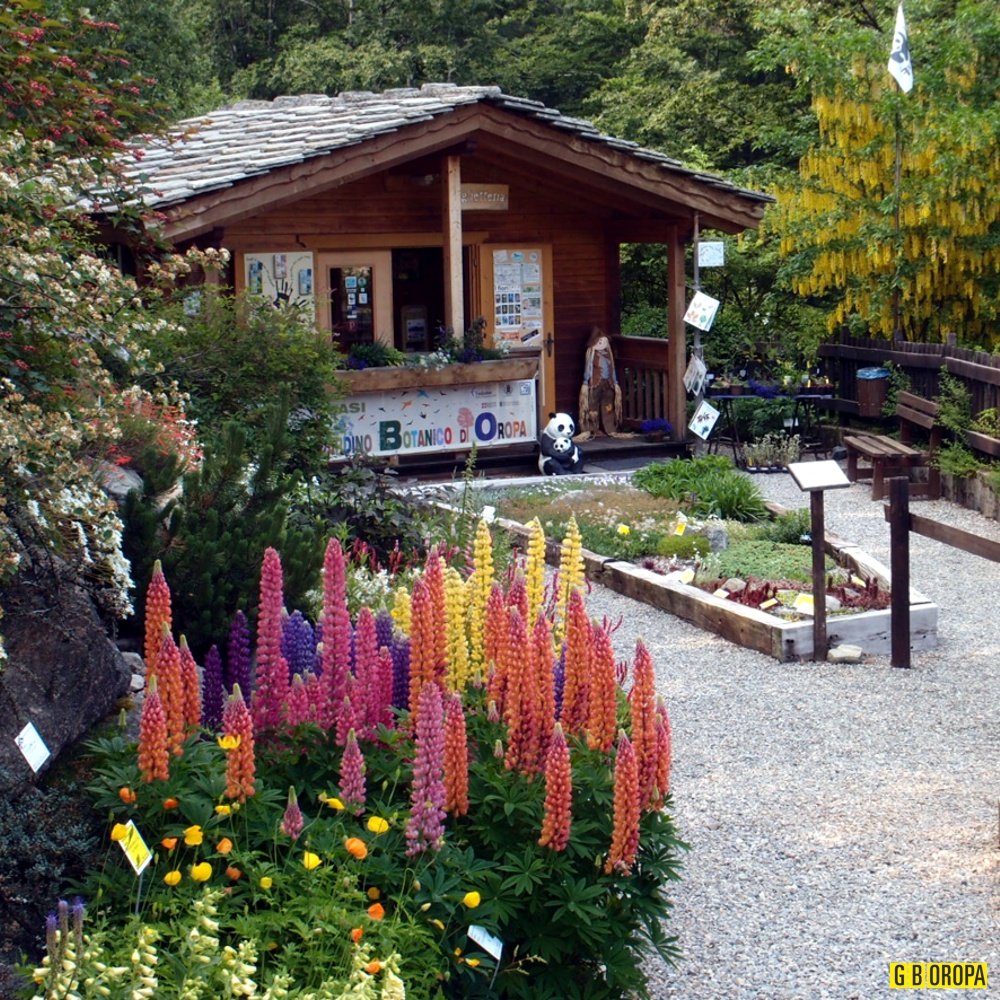
Around 500 species and varieties of plants are grown in the garden.
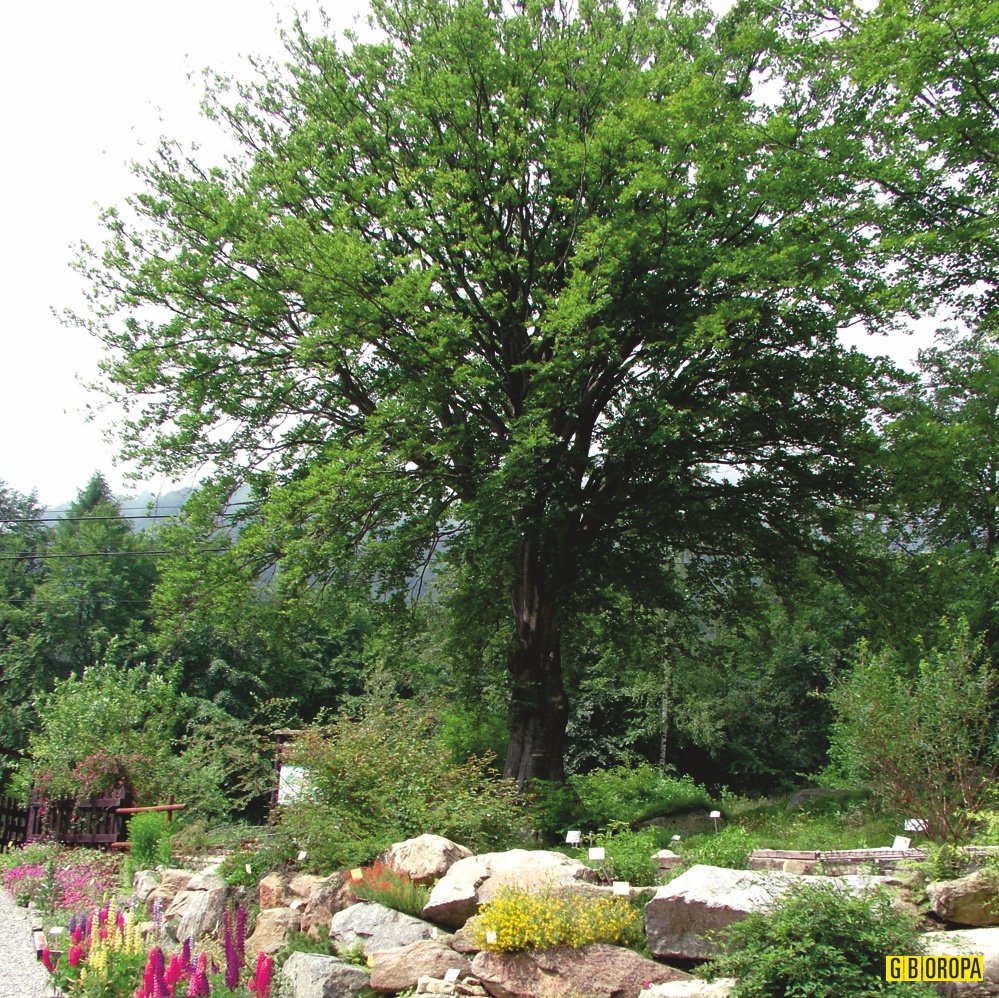
The spontaneous species are subdivided according to environments typical of the Biella mountains.
Collections of alpine ornamental plants are grown in “roccere”, as simple flowerbeds made of rocks and earth.
Visitors can found the permanent and interactive exhibition Plants in Evolution, which describes the evolution of the world of plants on our planet through three-dimensional recreations, texts and interactive panels, along the visitor trail.
Environmental Records Centre – Collections
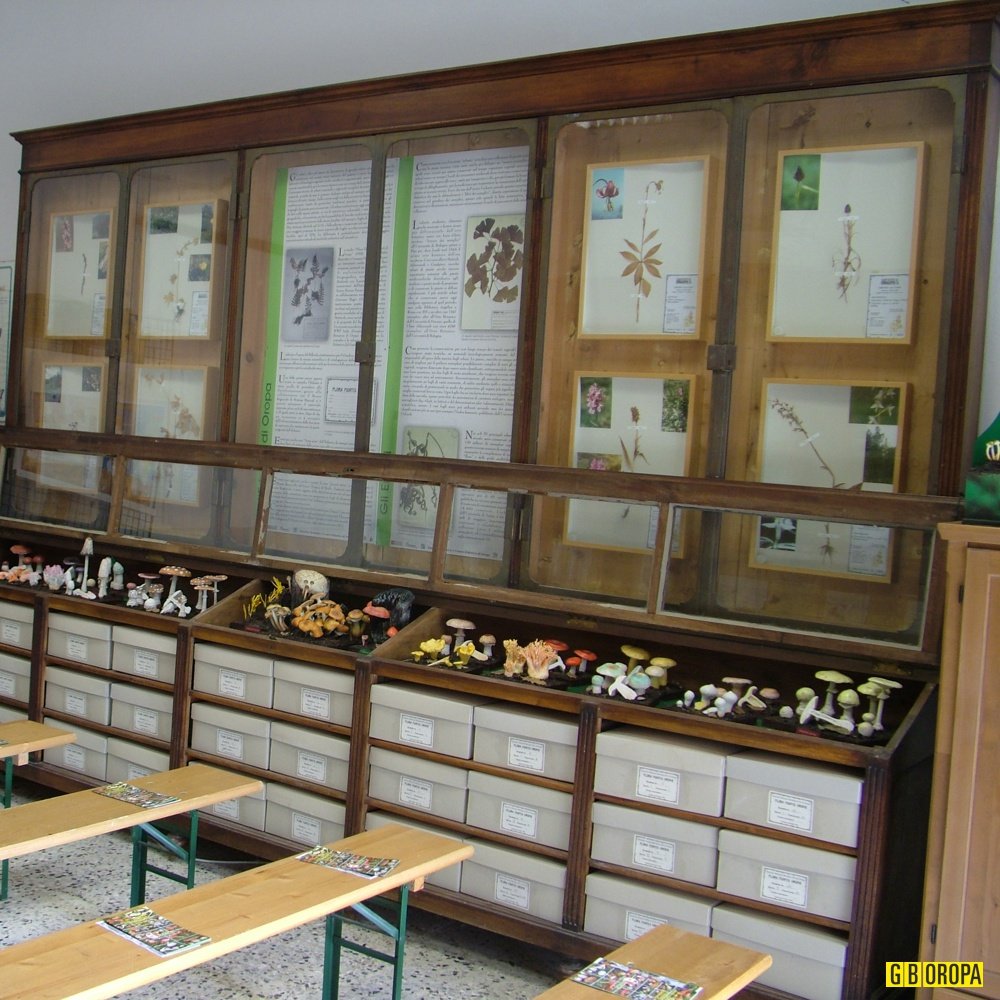
The natural history collections are currently managed both by the Botanical Garden at the Environmental Records Centre.
Collections
Mineral Collection
The collection consists of 117 minerals, mostly from the Monteponi mining site in the Iglesiente region, one of the largest lead-silver mines in Sardinia.
Herbarium
A recent study has revealed the high scientific value of the exsiccata preserved in the Centre.
They are the outcome of the floristic and phytogeography research of the following botanists:
- Oreste Mattirolo (1856-1947), from the Botanical Garden of the University of Turin;
- Giuseppe Pellanda (1865-1927), a Barnabite Father who published the Flora estiva dei monti di Oropa (Summer flora of the Oropa mountains) in 1906 (anastatic printing of the volume in 2007).
Entomology Collection
The collection of Agostino Dodero (1864-1937), an eminent systematist and discoverer of new species, provides an in-depth knowledge of the insects of the Biella region.
Mycology collection
Consists of a series of mushrooms resin replicas.
Mount Mucrone Geo-site
The geo-site is considered of extreme relevance by the scientific community, as a geological contact line between the Eurasian and the African Plate corroborating the Continental Drift Theory.
It is located near the upper cable car station of Oropa.
Library
The Botanical Garden houses a comprehensive nature library.
Some of the volumes are held in the Library in Nature of the Burcina Felice Piacenza Park.
All of them can be consulted by appointment.
Bookshop
Specialised books, publications and gadgets are available at the entrance to the Garden.
Activities
The Garden provides:
- guided tours and educational activities for preschool, primary and secondary school students;
- guided tours, workshops, activities and summer centres for children and young people;
- activities for families;
- guided tours, events, exhibitions, training for adults;
- guided tours to the Sacro Monte di Oropa Special Reserve;
- guided excursions to the natural environment of the Upper Oropa Valley;
- educational workshops and walking trails along the petrographical path of the Oropa Botanical Garden;
- scientific research activities;
- collaboration with the Regional Museum of Natural Sciences of Turin.
Gallery
How many things can one learn about the natural world? Find it all out at the Regional Museum of Natural Sciences!