Palaeontology Museum of the Asti Area
Overview
The Palaeontology Museum of the Asti area, also known as the Fossil Museum, is run by the Management Board of the Asti Palaeontology Park.
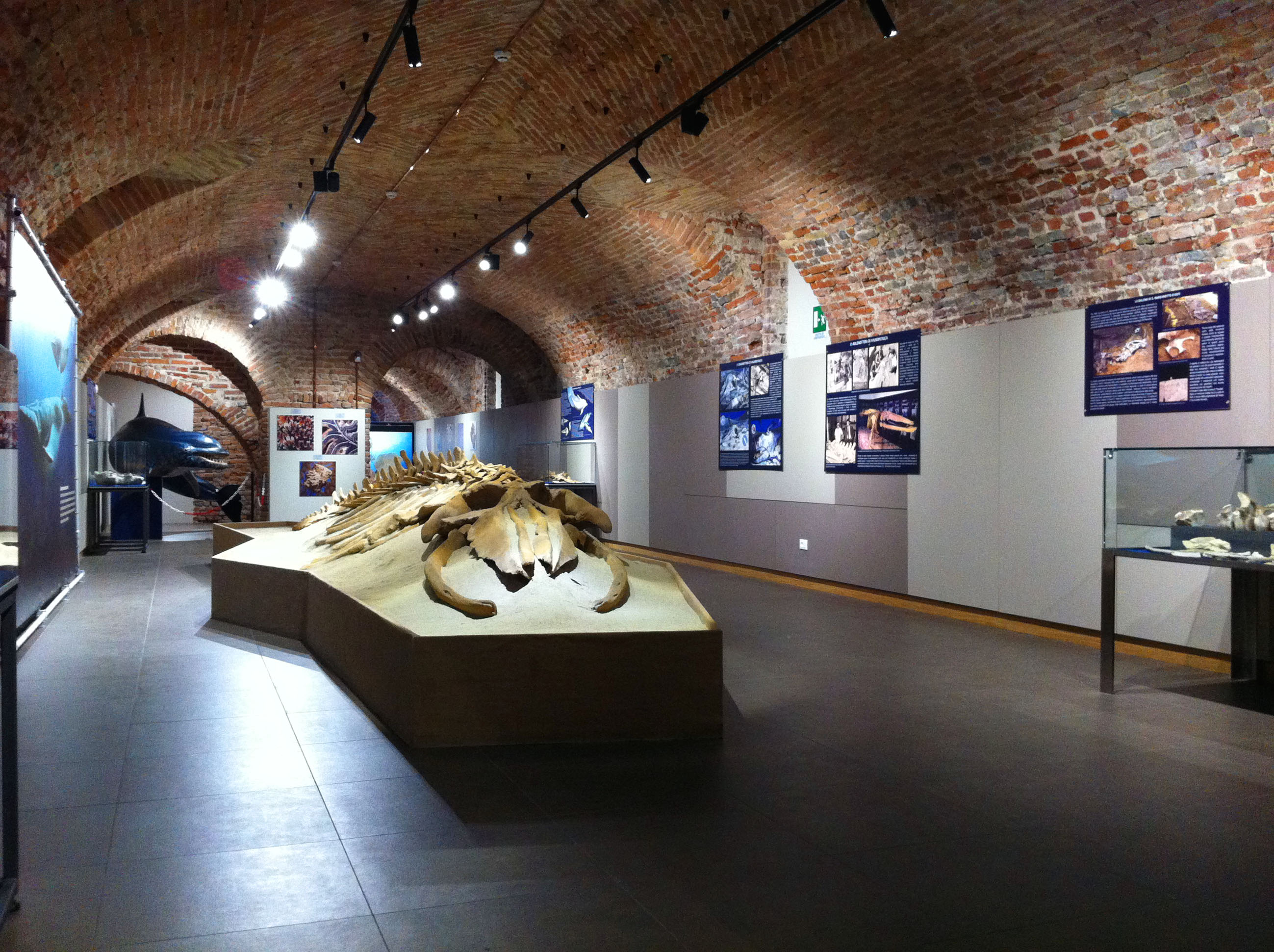
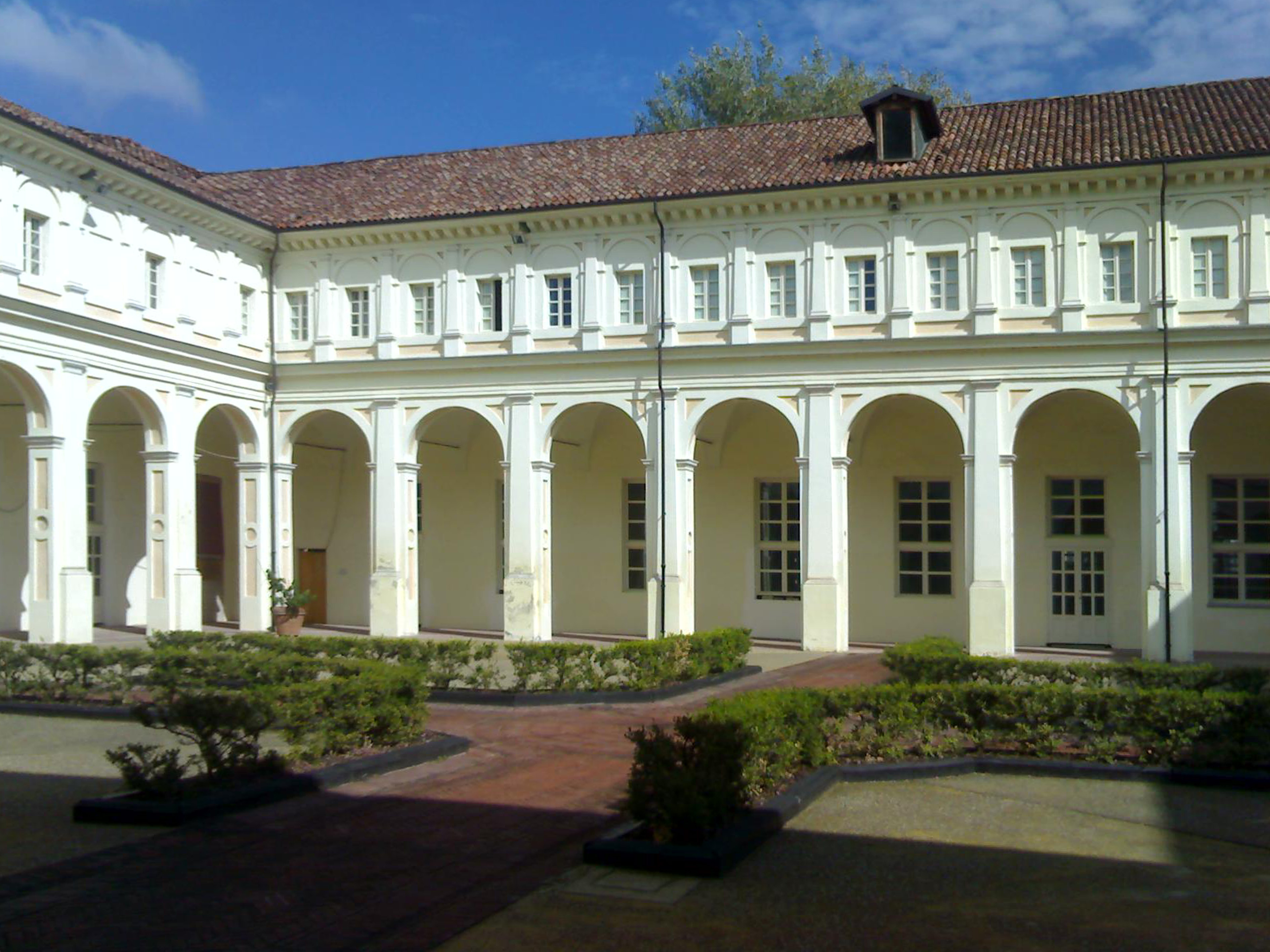
The museum is housed in the Palazzo del Michelerio, a former monastery dating back to the mid-16th century.
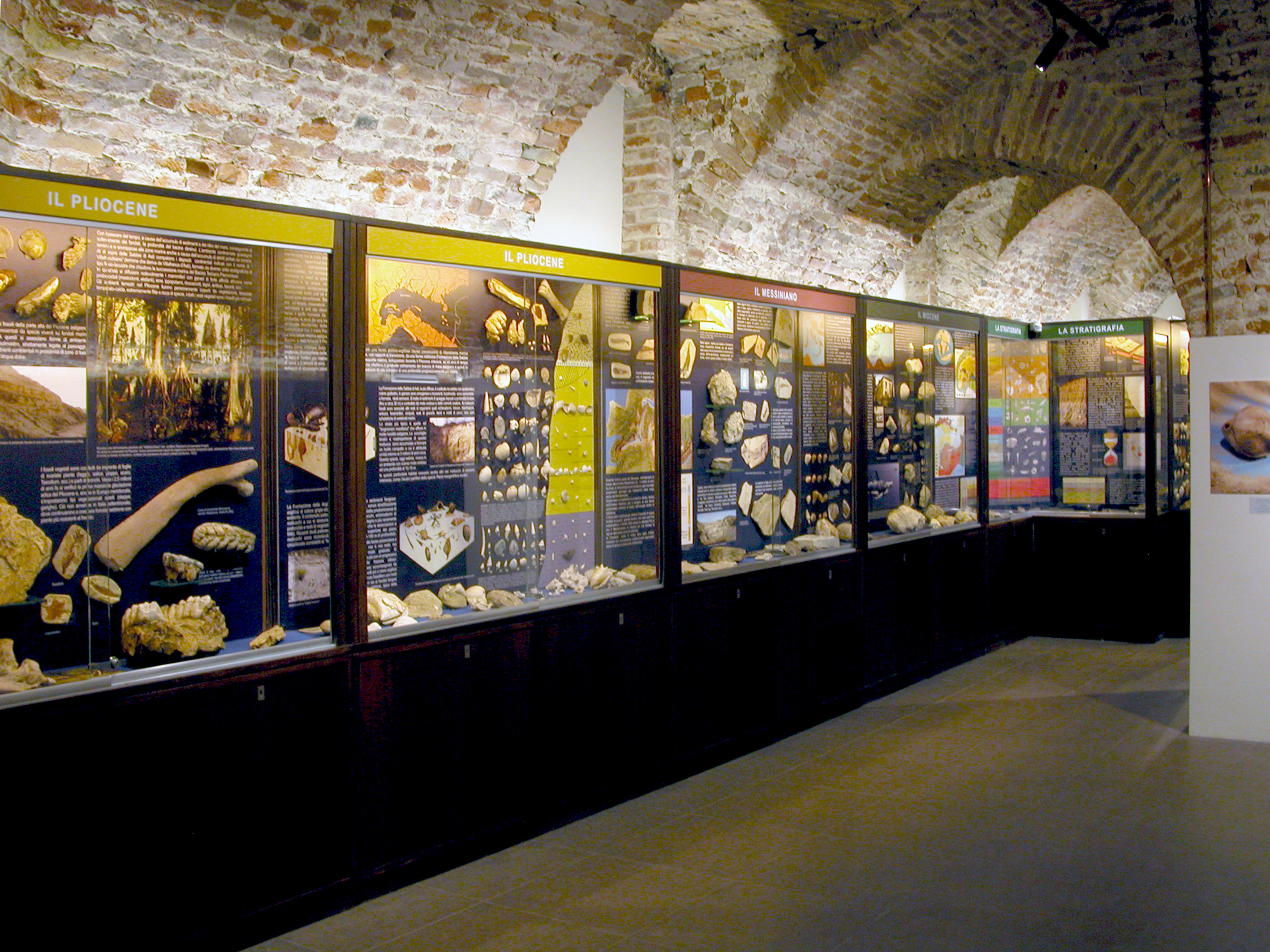
The first part of the exhibition focuses on general palaeontology.
Fossil records are used to describe the most significant geo-palaeontological events that occurred over the last 25 million years, between the Miocene and the Pliocene, when the whole Po Valley, and thus also the Asti and Monferrato areas, were covered by tropical sea.
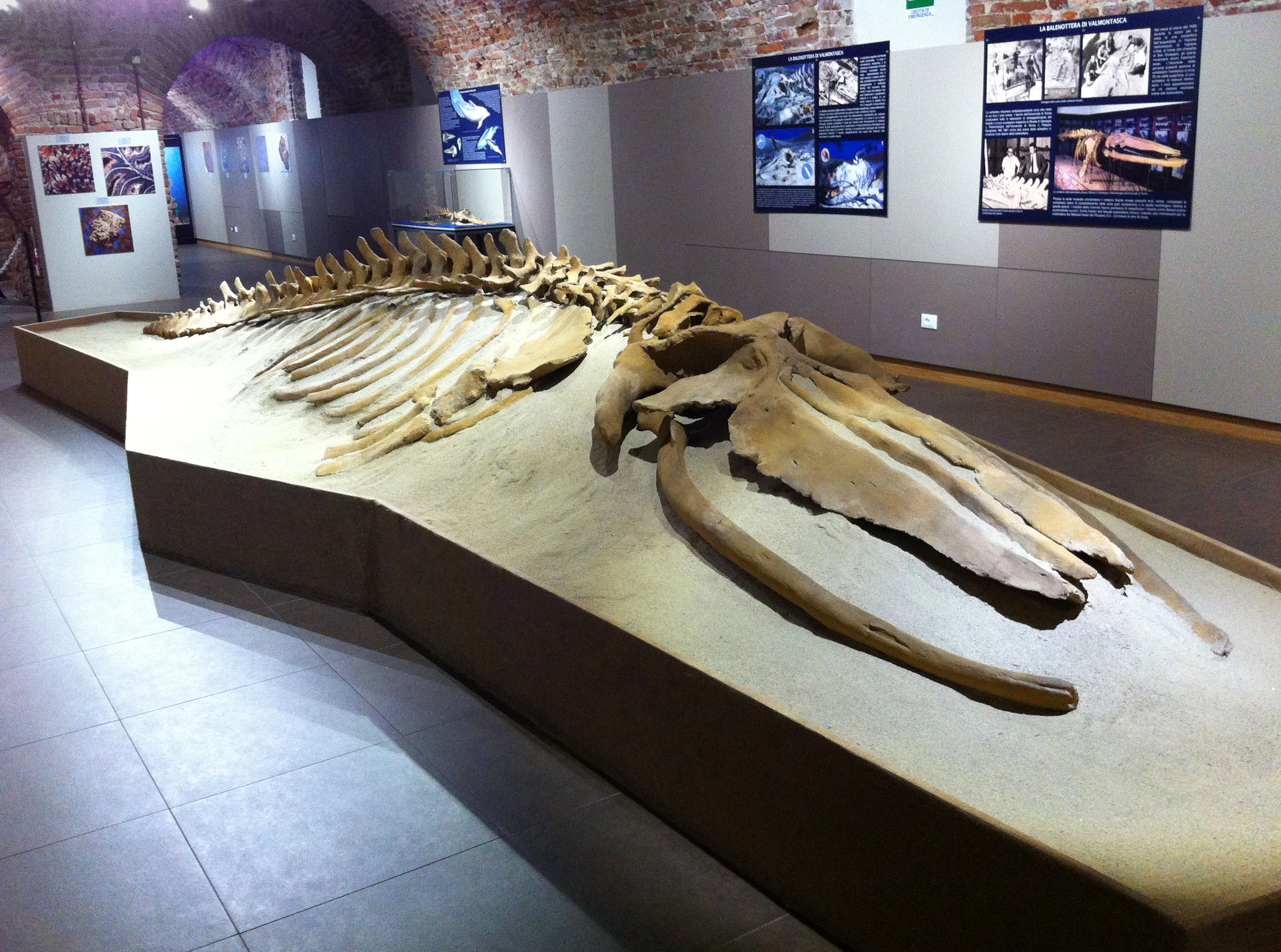
The second part is dedicated to the most recent discoveries of fossilized whales and dolphins found in the Asti region, making it a special feature of the museum.
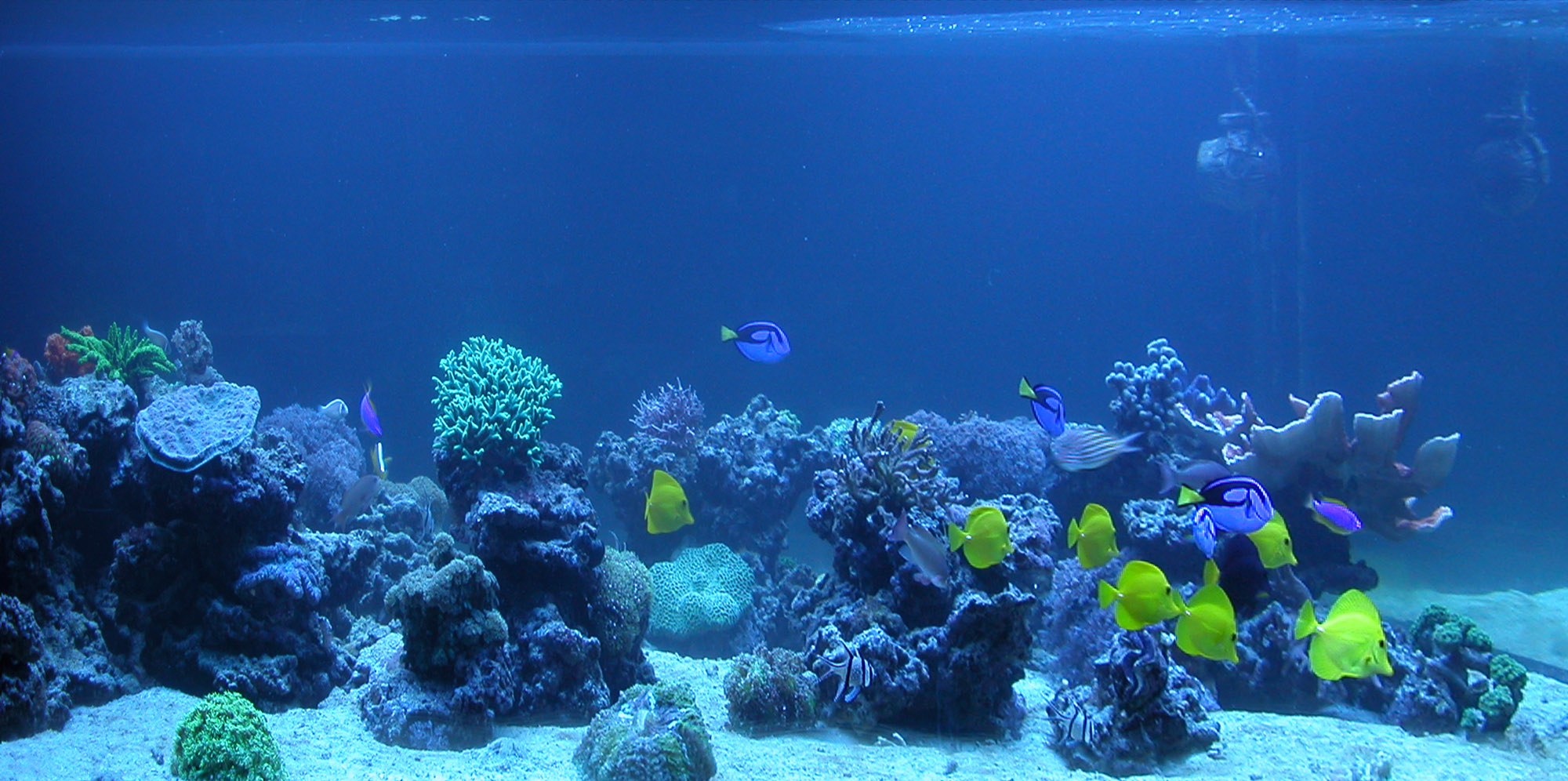
A large aquarium displays a live reconstruction of a coral seabed resembling one existing some 20 million years ago in the area currently corresponding to the Turin hill.
The former Church of Jesus, a charming building integrated into the Museum, houses the temporary exhibition called The Leviathan and the Sirens.
The exhibition is a voyage of discovery of the ancient sea of the Po, featuring the fossil remains of the most impressive cetaceans found in Piedmont, some of them unique in the world, embellished by an immersive installation.
No architectural barriers.
Collections
The collections provide a thorough overview of Asti's palaeontological heritage.
Besides the exhibits, more than 15,000 fossils, which are state-owned and mainly belonging to the Pliocene age, can be viewed on request.
The Asti area's collection of cetacean fossils, found in Piedmont over the last 60 years, is one of the most outstanding in Italy and Europe.
The most remarkable specimens are:
- the Valmontasca minke whale (Balaenoptera acutorostrata cuvierii), found in Vigliano d'Asti.
It is the most intact specimen, 8 metres long. - Tersilla, the San Marzanotto d'Asti whale. It is the only specimen of its species discovered in the world so far.
It was found by a farmer while working in his vineyard.
The fossilised bones, at the time of excavation, were scattered rather unevenly when compared to the original anatomy, due to a predator attack probably.
This hypothesis is supported by the profusion of shark teeth all around the remains, the marks left by predator bites, and some teeth shards damaged during the attack and embedded in the bones.
It was nicknamed Tersilla, the farmer’s wife’s name, by running a ranked choice naming contest among schools in Asti. - The Chiusano d'Asti whale, under study.
It was named Marcellina after the clay quarry Cellino, where it was found in 2003. - The Portacomaro whale. It is an undetermined specimen
- The Settime dolphin (Septidelphis morii holotype).
- The Belangero delphinid, under study.
- The Cortandone whale (Eschrichtioides gastaldii holotype).
It is the best-preserved specimen of grey whale in the world. - The Camerano Casasco delphinid (Hemisyntrachelus cortesii).
The skeleton is almost complete. - The Montafia whale (Plesiocetus cortesii)
Bookshop
Gadgets, books and naturalistic publications, most of them about palaeontology, are on sale in the bookshop.
Activities
The Museum provides:
- Educational programmes from pre-school to university;
- Guided, one-of-a-kind tours to thoroughly equipped palaeontological sites, where fossils are displayed on the spot as incredible examples of environmental uniqueness and representativeness;
- On-demand guided tours of the Museum and protected areas;
- Family Days: guided tours and hikes, from March to October;
- Special events: European Heritage Days in September, Universal Day of Culture in April, Halloween on October 31th;
- Scientific collaborations with:
- the M.A.G.M.A.X Museum of Asti;
- the Regional Museum of Natural Sciences of Turin;
- the Department of Earth Sciences of the University of Turin;
- the Palaeontological Museum Giulio Maini of Ovada;
- the Experimental Geological Museum of Giaveno;
- the University of the Three Ages of Asti;
- the WWF.
Gallery
How many things can one learn about the natural world? Find it all out at the Regional Museum of Natural Sciences!