Pietro Calderini Natural History Museum
Overview
The Museum was established in 1867 by Pietro Calderini (1824–1906), a naturalist clergyman from Valsesia.
He conceived the museum as a support for the study of science through direct observation of specimens collected from nature and made available to students.
He encouraged anyone to donate preparations, objects and scientific volumes to enrich the Museum and its library.
Finds from Valsesia, neighbouring areas and abroad from all branches of science and natural history arrived.
Archaeology, ethnography and humanistic collections complemented the naturalistic ones.
From its foundation, the museum served as a place of education for young people and a centre for the promotion of scientific studies in Valsesia.
The museum is part, together with the Art Gallery, of the Palazzo dei Musei compound.
Duration of the visit: about 45 minutes.
Collections
Natural History Section
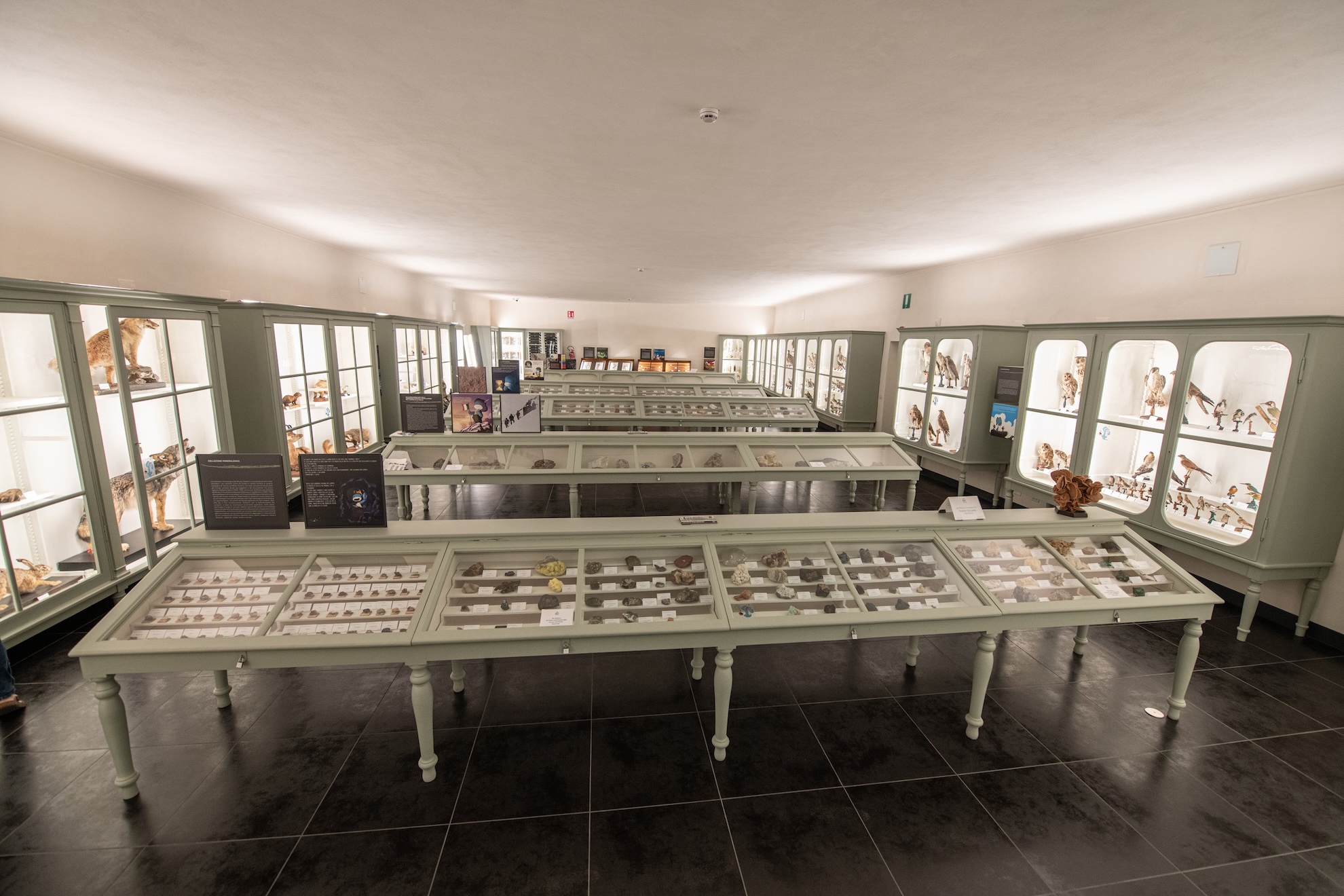
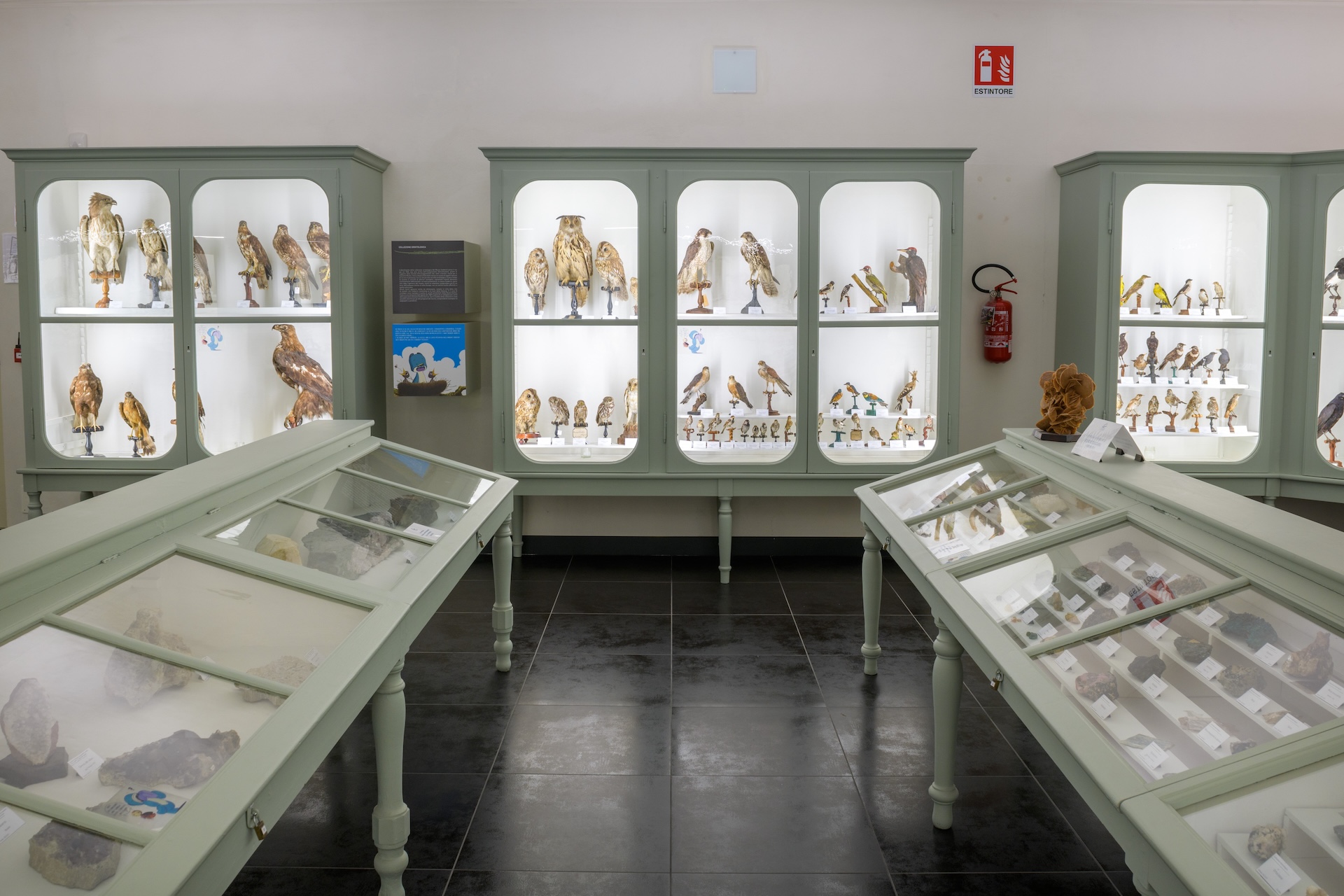
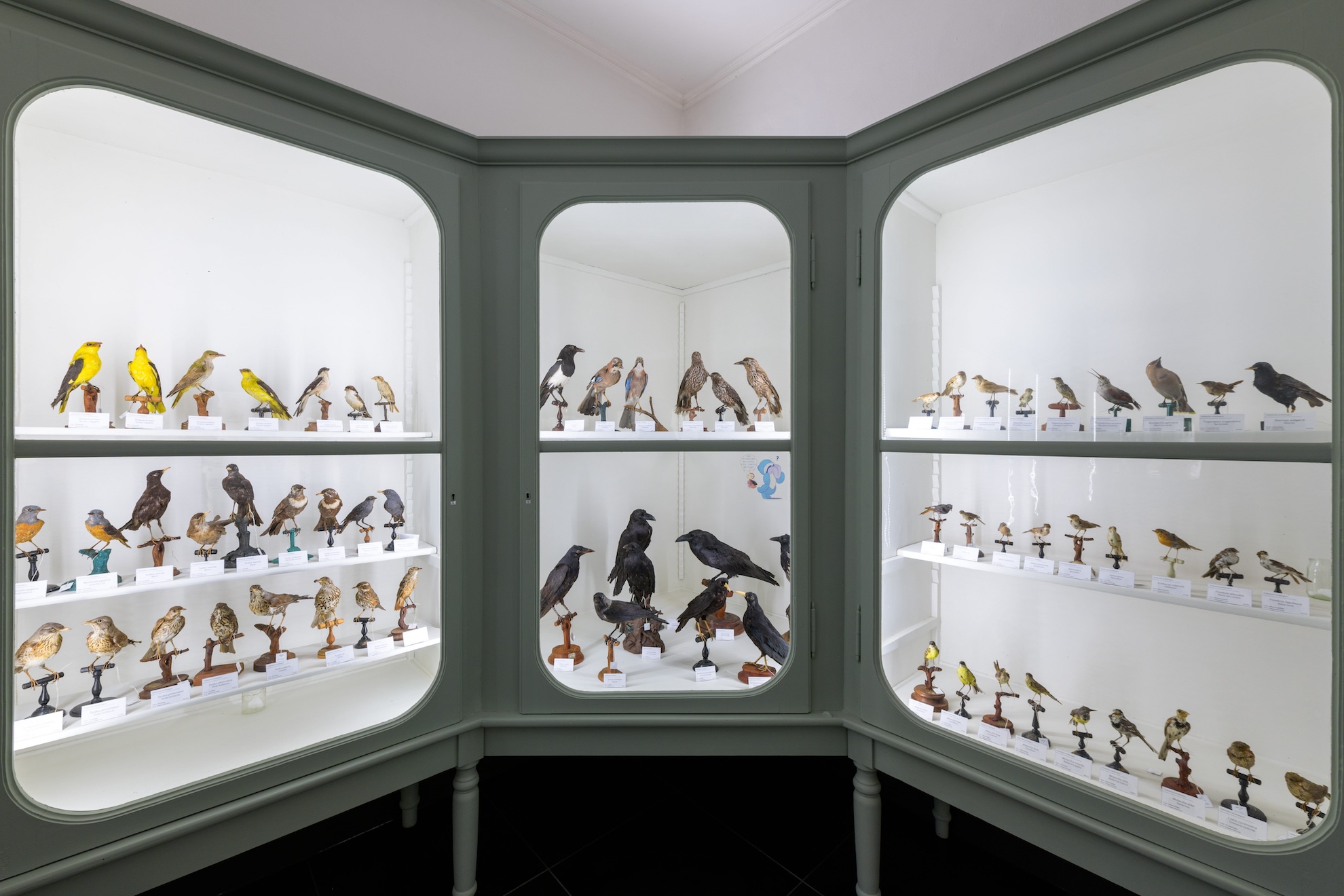
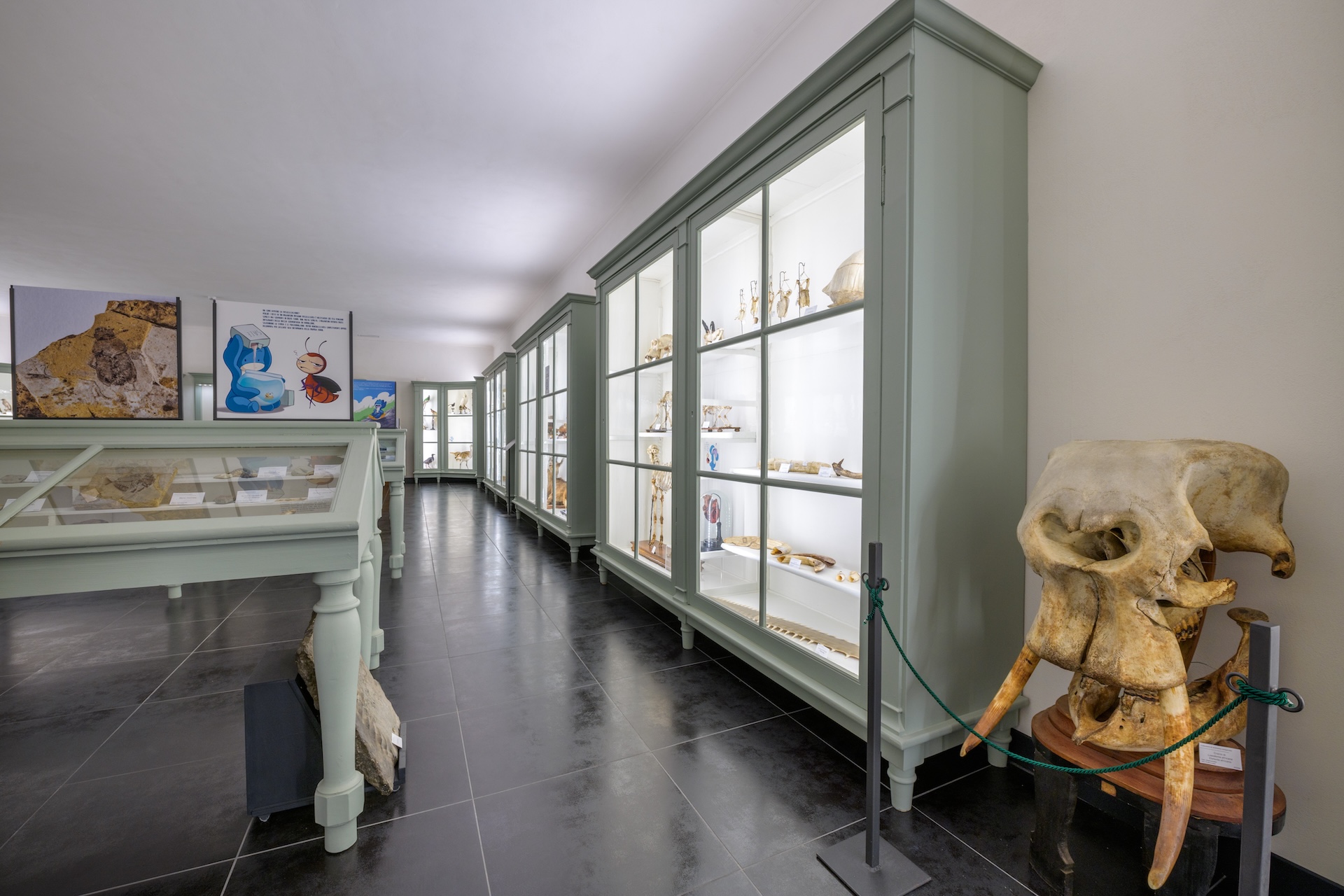
Located on the second floor of the Palace, this large hall is devoted to nature collections, represented by historic finds dating back to the 19th century as well as recent collections.
It was renewed in 2017 to mark the 150th anniversary of the museum's foundation.
The layout is organised according to the original 19th century one.
The exhibition trail takes the visitor on an evolutionary journey, from the mineral world to the animal world.
For younger visitors, a dedicated trail provides a straightforward approach to science and the natural world while being accompanied by the museum's mascot Frolik.
Ethnography Section
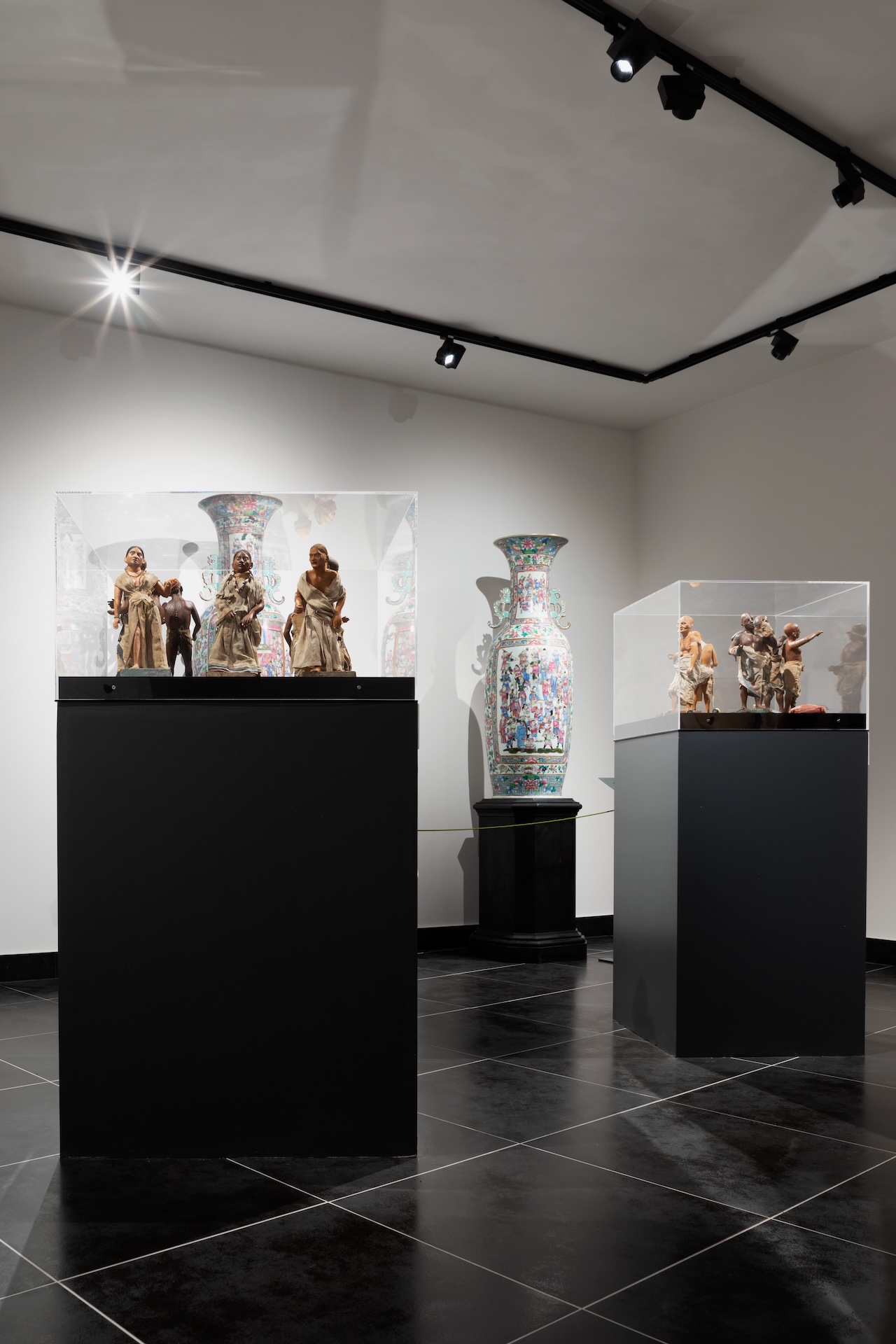
The Ethnography hall houses exotic objects brought to the museum by the founder's correspondents from as early as its foundation:
- African and Eastern musical instruments;
- Chinese vases;
- Indian terracotta dolls.
Archaeology Section
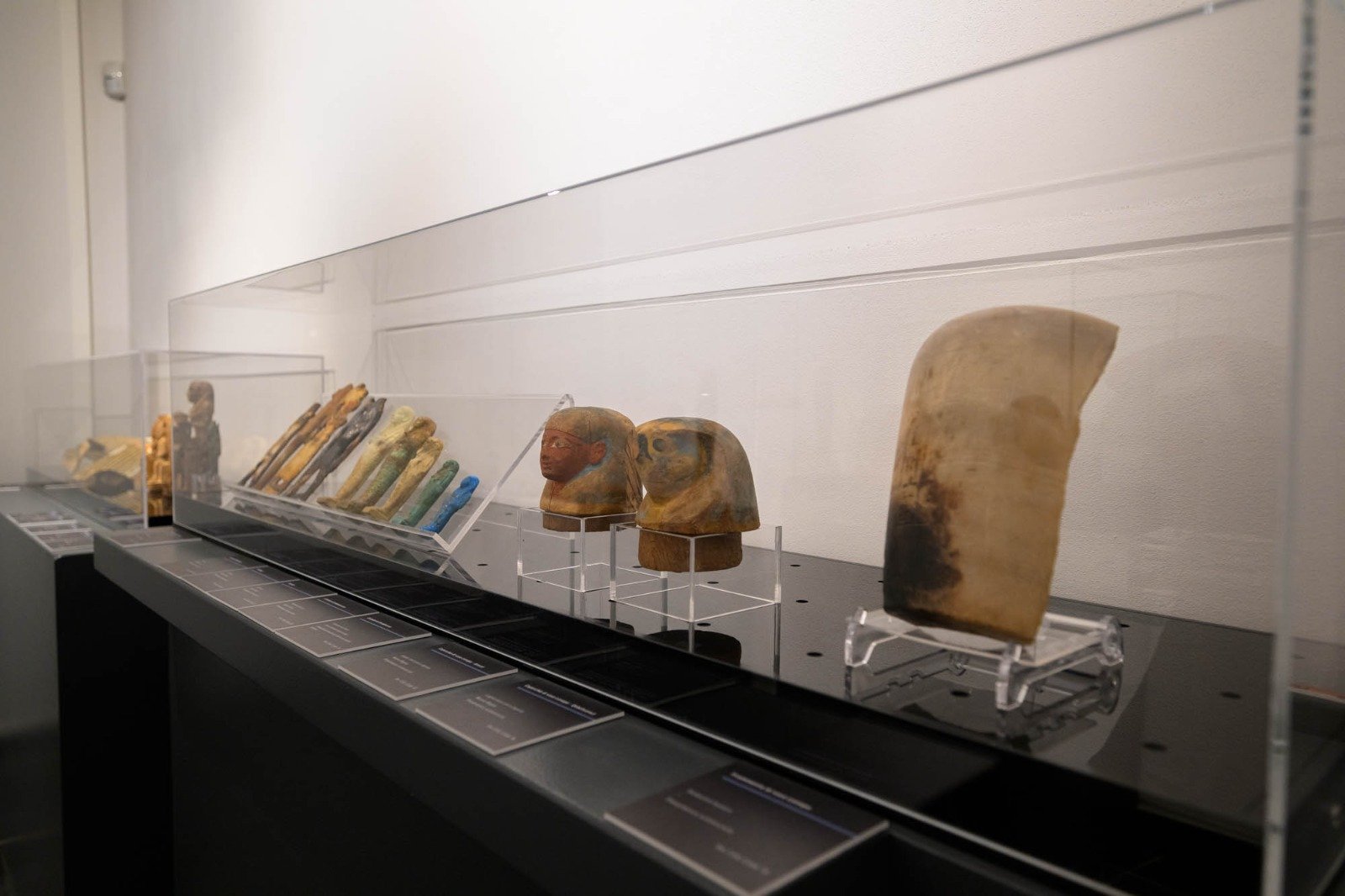
The archaeology hall is dedicated to the Egyptology collection.
Consisting of around a hundred objects, the Collection is an expression of what was called Egyptomania in the 19th century.
The showcases contain:
- fragments of human mummies;
- animal mummies;
- bronze votive statues;
- ushabty in fayence : small statues used as an essential element of the burial outfit, made of enamel ceramics;
- fragments of cartonnage mummy covers: wrappings covering the mummy, or parts of it, made out of papyrus fabric or sheets coated with glue, modelled, plastered, painted or gilded;
- portions of canopic jars.
Library
The Museum holds a library rich in incunabula, parchments, numismatic and natural history works.
The volumes can be consulted at the State Archives of Vercelli – Varallo Section.
Activities
The Museum provides:
- guided tours by appointment;
- free guided tours during the Alpàa event;
- didactic paths for preschool, primary and secondary school pupils;
- an escape room dedicated to the discovery of Palazzo dei Musei and its history;
- the chance for young visitors to have a birthday party at the museum;
- summer internships for secondary school students.
Gallery
How many things can one learn about the natural world? Find it all out at the Regional Museum of Natural Sciences!