The Bramaterra Museum
Overview
The Museum is named after the D.O.C. Bramaterra wine, produced in the compound including:
- the Municipality of Villa del Bosco;
- the Municipality of Masserano;
- the Municipality of Curino;
- the Bramaterra district, which includes the Municipalities of Roasio, Lozzolo and Sostegno, abounding in vineyards, bearing this name since the mid-15th century.
It depicts the local area by means of:
- exhibits of objects from farming culture;
- natural finds;
- studies on natural and environmental factors, including the hydrogeological features, recorded in 30 years of scientific research by the National Research Council – Research Institute for Hydrogeological Protection (CNR ~ IRPI) in Turin;
- posters;
- educational photos;
- explanatory panels.
Set out on two floors of the former primary schools in Frazione (Hamlet) Casa del Bosco, the museum features:
- two exhibition halls, named the Bramaterra Hall and the Research Hall;
- the reception room;
- the Seminar and Public Activity Hall.
The museum is a member of the Biella’s Museum Network.
It is the headquarters of the Interprovincial Association for Fine Wine-Growing and Making in the Bramaterra and Lessona hillsides.
A number of bottles from local producers are on sale in the ground floor lounge.
Duration of guided tours: approximately 40 minutes.
Collections
Bramaterra Hall
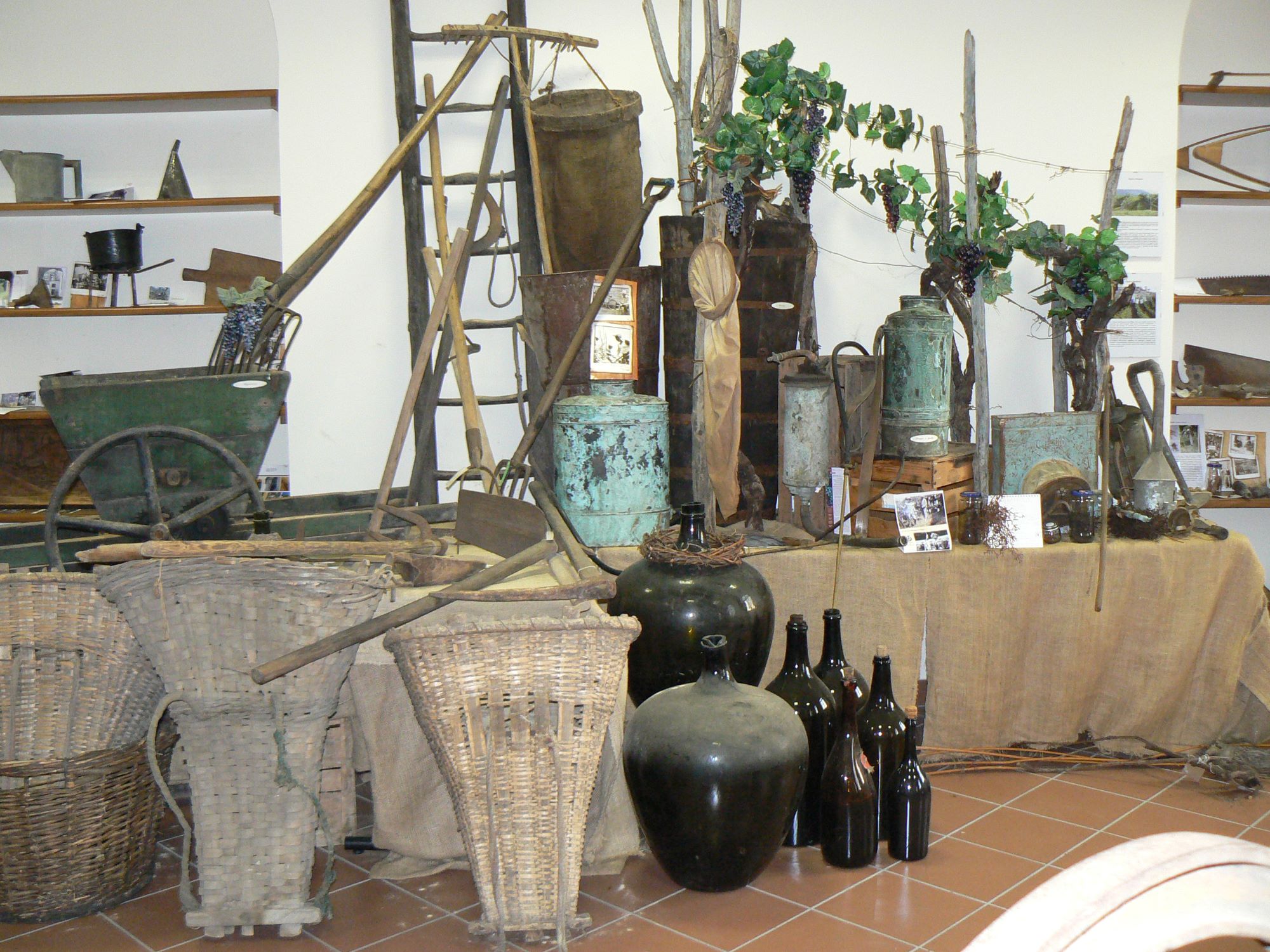
This hall is dedicated to vine-growing, wine-making and farming culture.
On display are:
- wine-making activity tools, such as a wine press, a portable ginning machine, grapes vats, grape harvest baskets and other unusual antique tools;
- info panels on the vine cycle and its major diseases;
- items of rural daily life, such as plates, cutlery, pots and pans.
Research Hall
The following are exhibited inside:
- Franca Maraga Collection. Franca Maraga (Belluno 1944 – Turin 2014) was the first researcher of the CNR-IRPI in Turin, responsible for the Gallina Valley Basin Project and contact person for the European Network of Experimental and Representative Basins (ERB). The collection consists of documents collected by the researcher during 30 years of hydrogeological research in the Gallina Valley basin, which is located nearby the Museum;
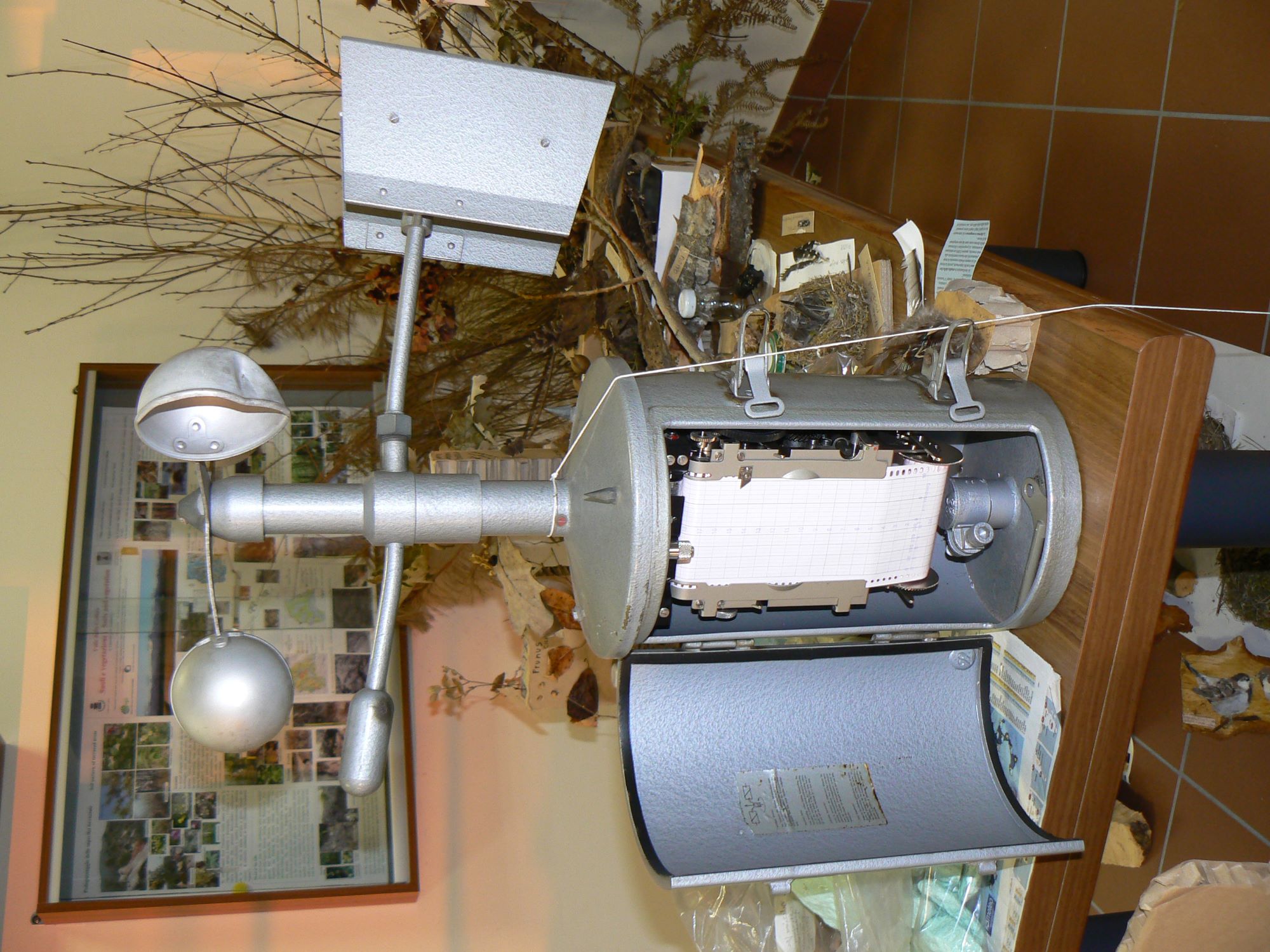
- meteorological and hydrogeological equipment and device which was donated by CNR-IRPI of Turin;
- scale model of the sediment trap manufactured by Renato Massobrio, a CNR-IRPI specialist in Turin and a researcher working with Franca Maraga;
- some meteorological equipment, donated by the CNR-IRPI of Turin, of significant historical and scientific value, such as the pluviograph and capillary pen anemograph, the hydrometric rod and the sediment level stave;
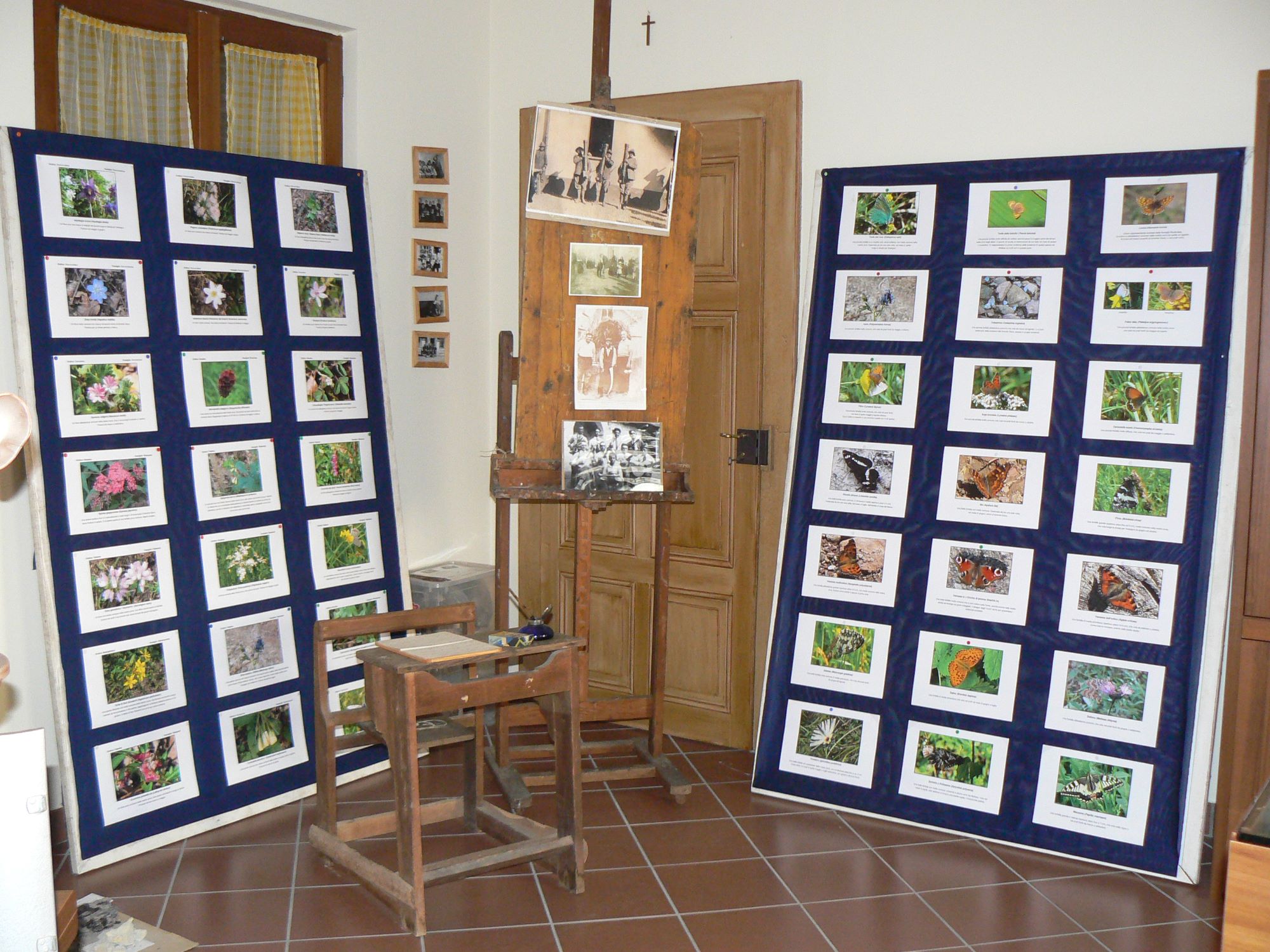
- four remarkable photo collections by amateur naturalist Mary Margaret Cassidy on wild flowers, diurnal and nocturnal butterflies and other insects, all of which were photographed in the surroundings of the Hamlet (Frazione) of Casa del Bosco, about one kilometre from the village;
- some Pliocene finds unearthed in the area;
- a collection of local rocks and from the Valsesia Supervolcano;
- some indigenous soils samples;
- minor collections of local flora;
- displays of insect specimens, feathers and nests;
- the historical documents of the guidelines that led to the institution of Bramaterra D.O.C. wine, kept in a display case;
- old school records and an old school desk with an inkwell, bearing witness to the building's former use;
- educational panels, both in Italian and English, covering thirty years of scientific research at CNR-IRPI in Turin.
Library
The Museum houses a library with:
- books, magazines and publications on naturalistic and environmental factors, as well as local vine-growing and wine-making process;
- the complete archive of the researcher Franca Maraga, with publications, films and CDs concerning scientific research in the Gallina Valley.
The archive has significant both scientific and historical value; - an ethnographic collection of photos, documents and items from the past;
- a photographic archive, with captions, on farming culture and about the families of Casa del Bosco, Asei and Sostegno.
Activities
The Museum provides:
- free guided tours of the Museum, both in Italian and English;
- tours of the Gallina Valley Experimental Basin;
- scientific and cultural dissemination activities through seminars and courses by theme;
- tastings of local products.
Virtual tours, videos and webinars
Gallery



How many things can one learn about the natural world? Find it all out at the Regional Museum of Natural Sciences!