Aug. 25, 2025
New palaeontological findings! The ancient origins of European salamanders.
A study published in Proceedings of the Royal Society B in the 2025, reveals that the Paleocene-Eocene Thermal Maximum, PETM, a timespan of rapid global warming that occurred 56 million years ago, played a key role in the early evolutionary success of the Salamandridae family, the most diverse group of European salamanders, which includes both the so-called true salamanders and the newts.
The PETM was a short period of harsh global warming and regional aridification that lasted less than 100,000 years. It resulted in significant ecological changes, particularly in Europe.
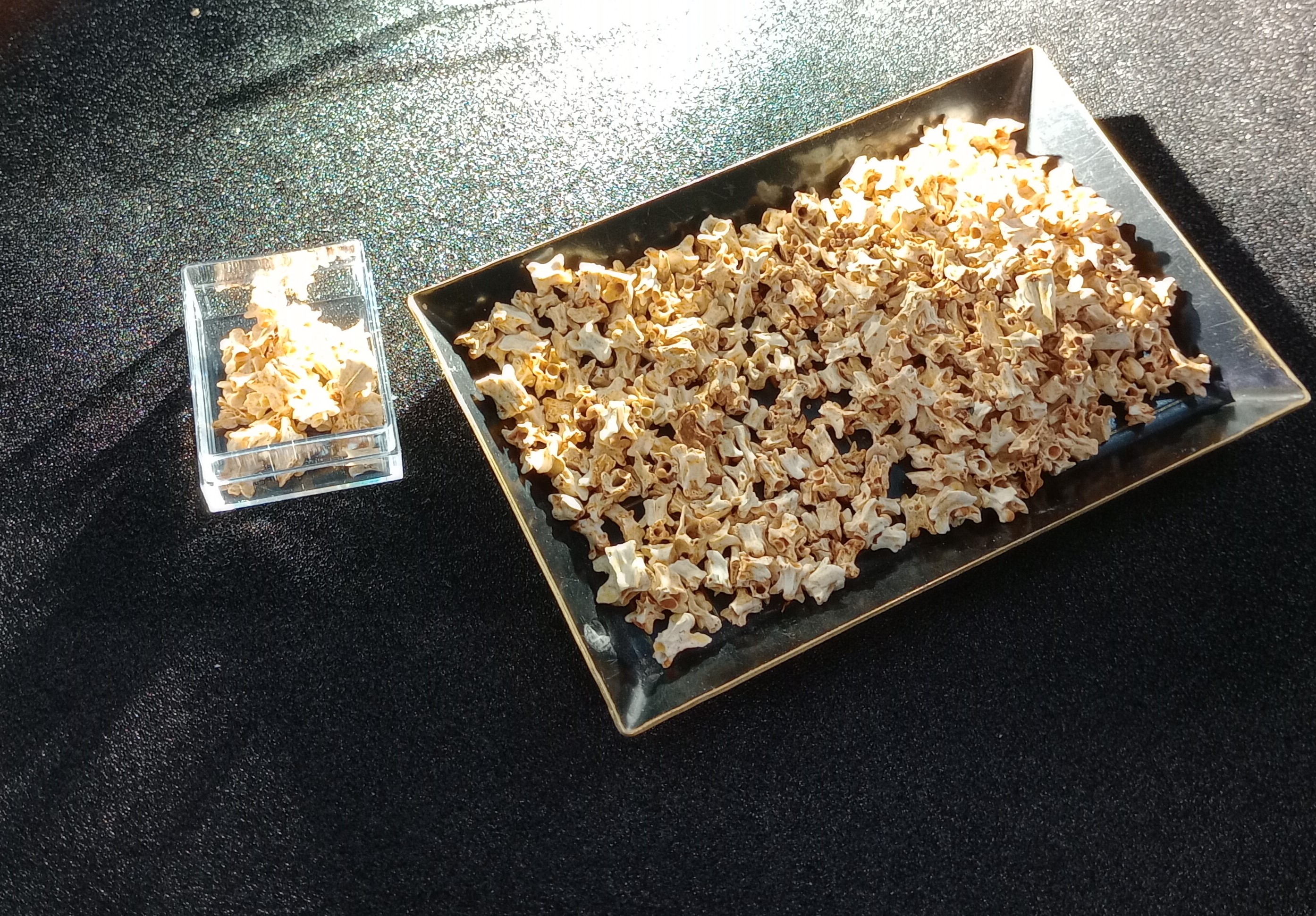
The international team, including researchers from scientific institutions in Basel and Bern, in Switzerland, Halle and Berlin, in Germany, and Barcelona, in Spain, led by the palaeontologist Loredana Macaluso of the Regional Museum of Natural Sciences in Turin, Italy, has described fossil amphibians from the Paris Basin, that have been discovered in the historical collections housed at the Natural History Museum in Basel. The study reports the first occurrences of two new species and genera of the Salamandridae family, which is currently still widespread and predominant in Europe. These researchers have developed a morphology-based dataset that allows for the first time to retrieve phylogenetic positions for the European fossil salamandrids.
The two new extinct genera described in this paper, Eotriton and Duffaudiella, are early-branching among respectively modern newts and true salamanders.
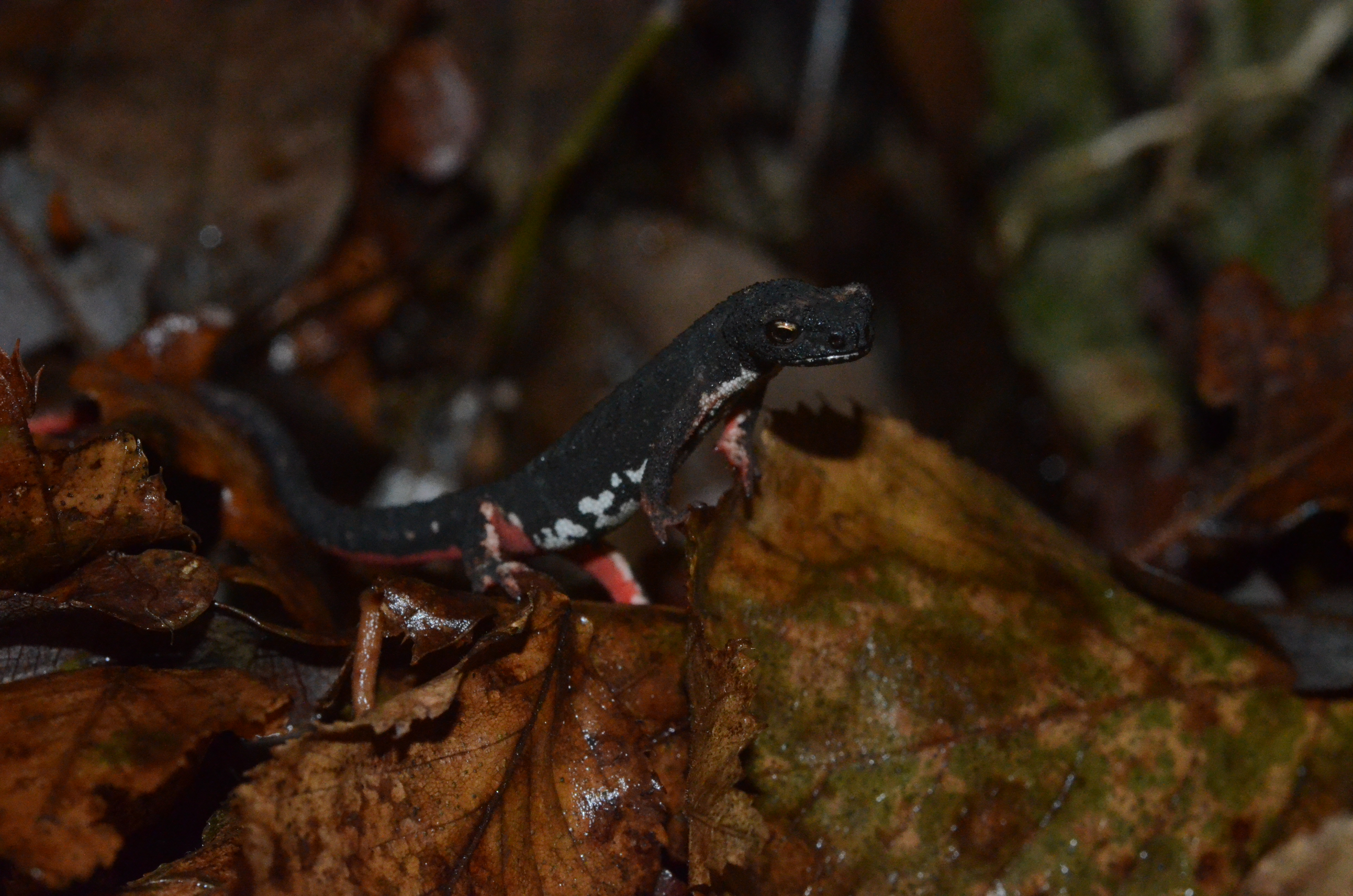
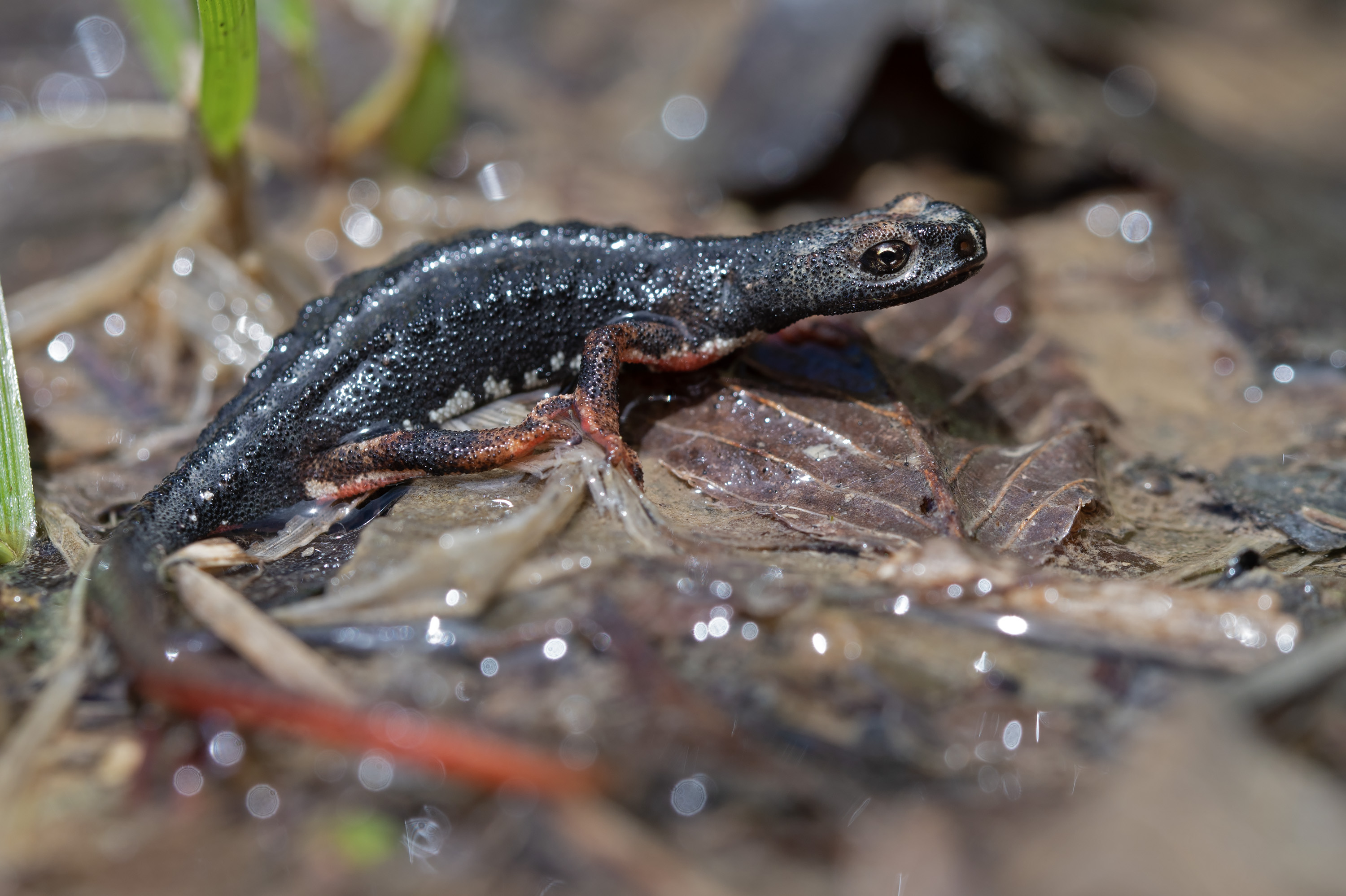
This dataset has revealed that the world's oldest salamandrid, Koalliella genzeli, is the closest relative of the modern Salamandrina genus, also known as the spectacled salamander, which is the only vertebrate genus endemic to Italy today. The osteology of this unique salamander has been a long-standing research focus for palaeontologists at the Department of Earth Sciences of the University of Turin. Given its high degree of endemism and its origins in the depths of time, it is acknowledged as a flagship of Italian biodiversity.
Researchers hypothesise that the salamanders that were capable of metamorphosis, and likely terrestrial, benefited from the local aridification associated with the PETM that occurred in Western Europe, unlike frogs, which did not show significant evolutionary changes. This crucial event allowed the Salamandridae to outcompete other salamander families and becoming currently dominant in the Palearctic region.
Beyond revealing the deep-time origins of modern salamanders, the study underscores how climate crises can reshape evolutionary trajectories, a message with powerful relevance in our current era of accelerating global change.
-
Loredana Macaluso -
Giacomo Bruni -
Marco Sassoè
More news


How many things can one learn about the natural world? Find it all out at the Regional Museum of Natural Sciences!